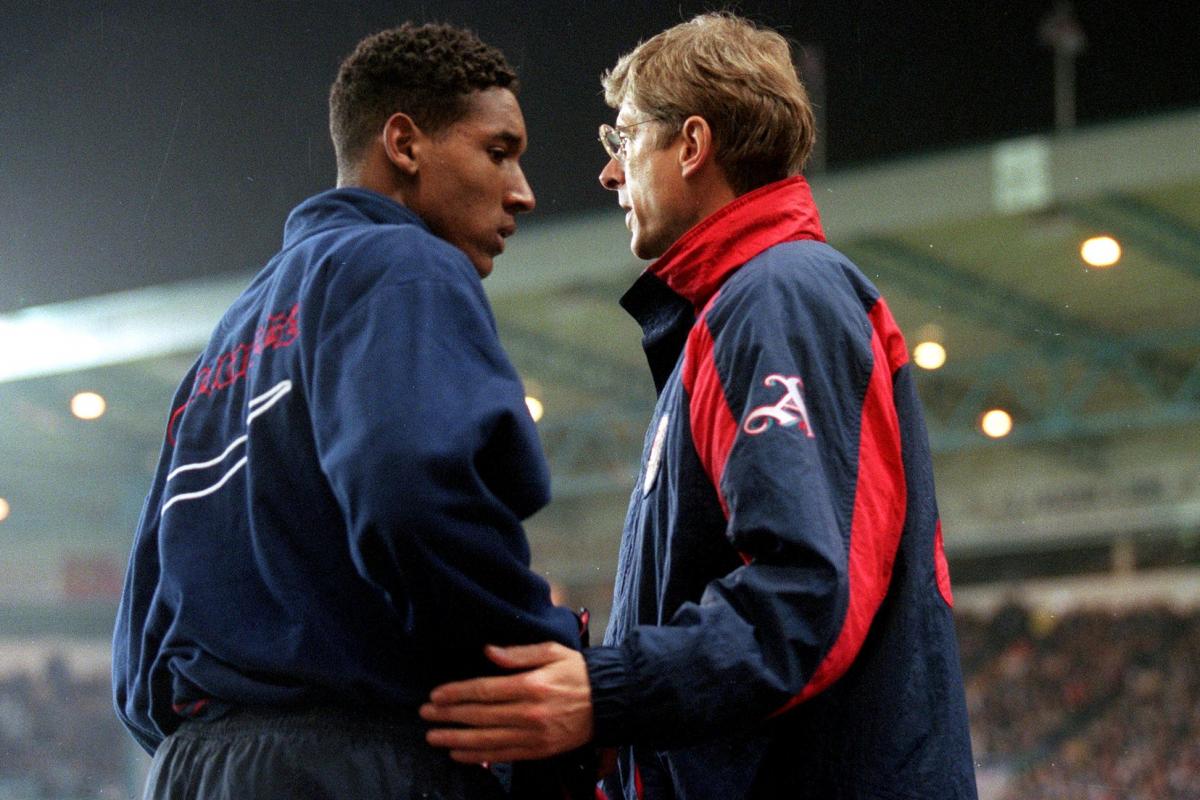
Young football prodigy’s controversial move from Paris to london in 1997
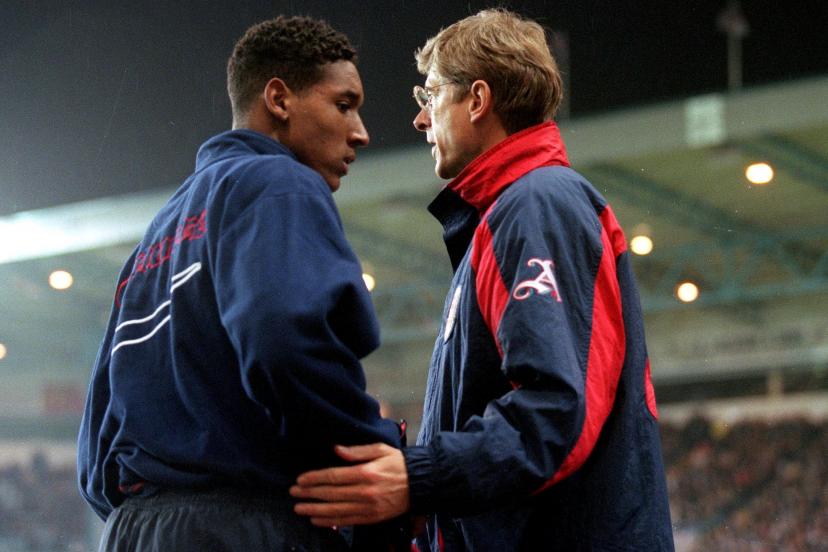
On 22 February 1997, Paris Saint-Germain’s deputy chairman Michel Denisot faced the media with a carefully rehearsed line: ‘There are no winners or losers here.’ The club had just agreed to let 17-year-old striker Nicolas Anelka leave for Arsenal in a deal that would see PSG bank roughly 5 million francs (around €1.19 million today) — but the teenager’s salary was about to skyrocket from 3,800 francs (€901) a month to half a million francs (€119,000) across the Channel. Far from a compromise, the move looked like a clear victory for Anelka, who had initiated a five-week legal and public battle with his employers.
The young forward fired back the same afternoon, when he and his father finalised his six-year contract with Arsenal. Speaking to reporters, he dismissed the club’s spin: ‘They kept saying I wouldn’t leave and there’d never be an agreement with Arsenal. Well, here’s the agreement — and here I am going. So who really lost?’
‘You wanted a joker? You’ve got one.’
Ricardo, former PSG coach, after Anelka scored and set up a teammate in September 1996.
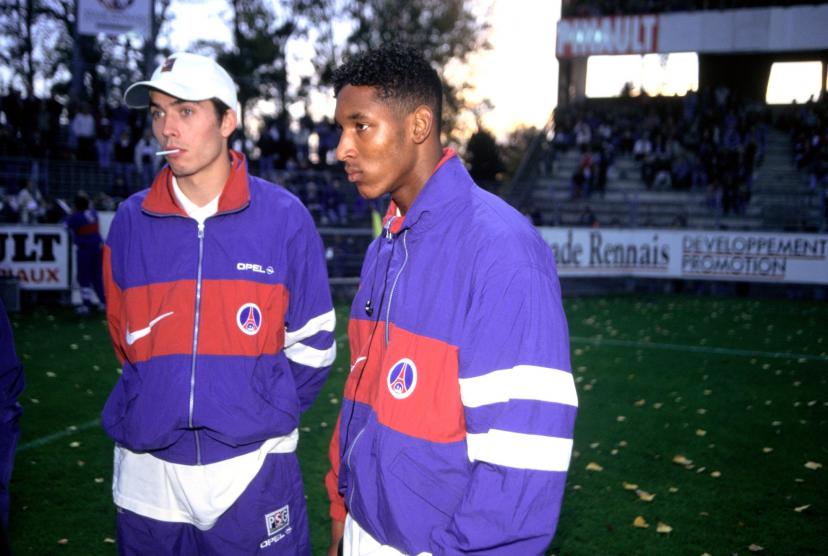
Anelka’s first season at PSG had started brightly. Promoted from the youth ranks, he made his professional debut on 7 February 1996 as a substitute at Monaco, and by September he was already being hailed as the club’s next big thing. Following a 4-0 win over Lens, where he scored and provided an assist, coach Ricardo quipped: ‘You wanted a joker? You’ve got one.’
That praise soon rang hollow. Despite his early promise, Anelka found himself increasingly confined to the bench during the 1996-97 campaign. Eight substitute appearances and no starts in Ligue 1 left him frustrated, especially after the club’s decision to bring in Servette FC striker Cyrille Pouget on loan in December. To the teenager, it felt like a vote of no confidence.
Arsenal, managed by Arsène Wenger, had been tracking the teenage striker. After meeting the Frenchman and touring the London club’s facilities during the winter break, the Anelka family informed PSG sporting director Jean-Michel Moutier on 11 January that the player intended to leave at the end of his youth contract in June. Wenger, convinced of Anelka’s potential, moved swiftly. On 13 January, Arsenal vice-chairman David Dein sent a fax to PSG stating: ‘In accordance with international regulations, we will be contacting your player Nicolas Anelka.’
The very next morning, in a hotel in Paris’s 16th arrondissement, Anelka and his father signed a six-year contract with Arsenal, effective 1 July. The announcement sent shockwaves through French football. ‘Anelka is not free and cannot sign for Arsenal,’ thundered Noël Le Graët, then president of France’s national football league, demanding that the French Football Federation block the player’s international transfer certificate. The league argued that French football’s internal charter required academy graduates to sign their first professional contract with their parent club. But the rule, they claimed, had no legal weight beyond France’s borders.
‘The European laws give me confidence.’
Arsène Wenger, Arsenal manager, on the dispute with PSG
Wenger countered that the matter was settled by the Bosman ruling, the landmark 1995 European Court of Justice verdict that had reshaped football economics. Under its terms, players whose contracts had expired were free to move without compensation. Anelka’s youth contract with PSG was due to expire in June, meaning he could join Arsenal at no cost. ‘We are acting within the law,’ Wenger insisted. ‘The French regulation doesn’t apply outside this country.’
FIFA was asked to rule on the dispute. Before the governing body could issue a verdict, however, PSG and Arsenal reached a settlement in less than 48 hours. ‘There was a loophole in the system,’ Denisot later admitted. ‘Everyone had the right to do what they did. The noise came because a very promising player was leaving for free after his development years.’
Anelka’s first spell at Arsenal was modest. Blocked by Dennis Bergkamp and Ian Wright, he made just four appearances in the second half of the 1996-97 season. By the following campaign, however, he had established himself as a first-team regular, becoming the first non-British player to win the Premier League’s Young Player of the Year award in 1998-99. His success in England was short-lived. In 1999, after another bitter standoff, he moved to Real Madrid for a fee of 220 million francs (around €51.6 million).
Denisot, who had initially clashed with Anelka, later struck up a friendship with Wenger. ‘I got on well with Arsène. Years later, when I was president of La Berrichonne de Châteauroux, I handled the transfer of Gilles Sunu to Arsenal smoothly. For the record, I even had David Dein’s son do an internship at Canal+ when I ran the sports department.’
