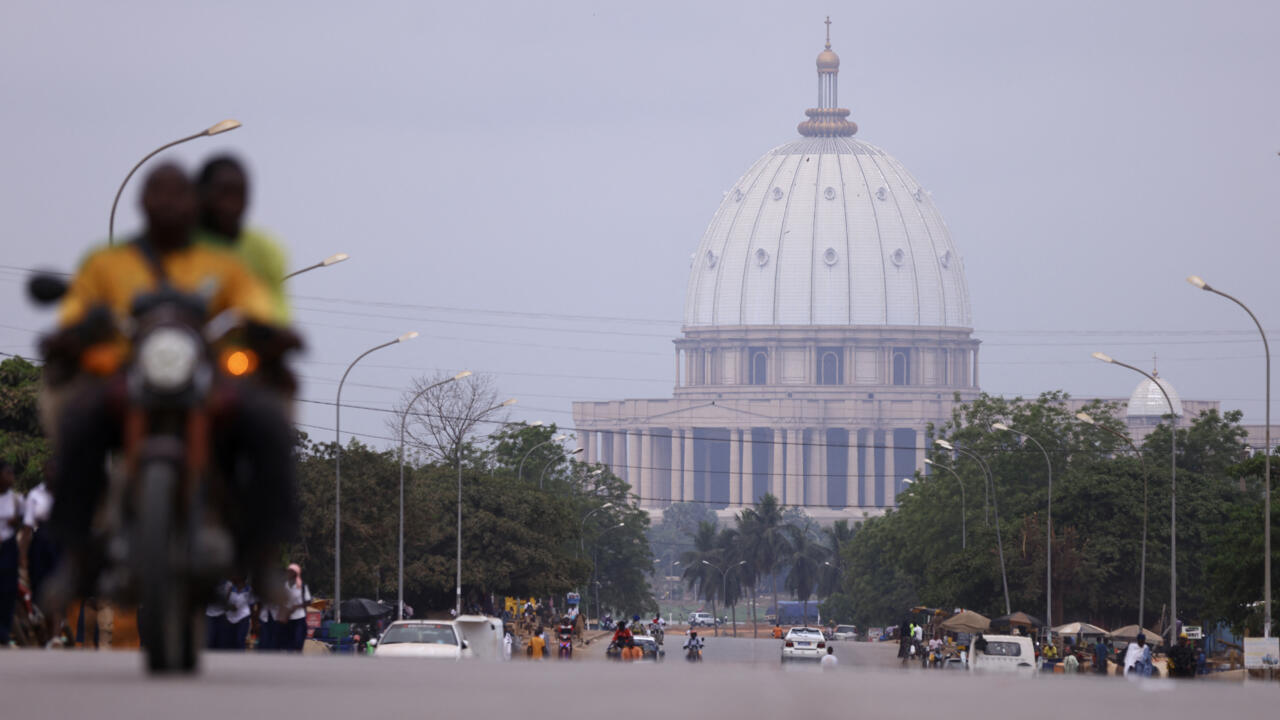
Yamoussoukro real estate surge sparks investor excitement and farmer concerns
In Yamoussoukro, land values are soaring and construction sites are popping up everywhere. The political capital of Côte d’Ivoire is fast becoming one of the country’s newest hotspots for real estate investment. This land rush is reshaping surrounding villages—and raising concerns about the future of local farmland.
From farmland to building lots
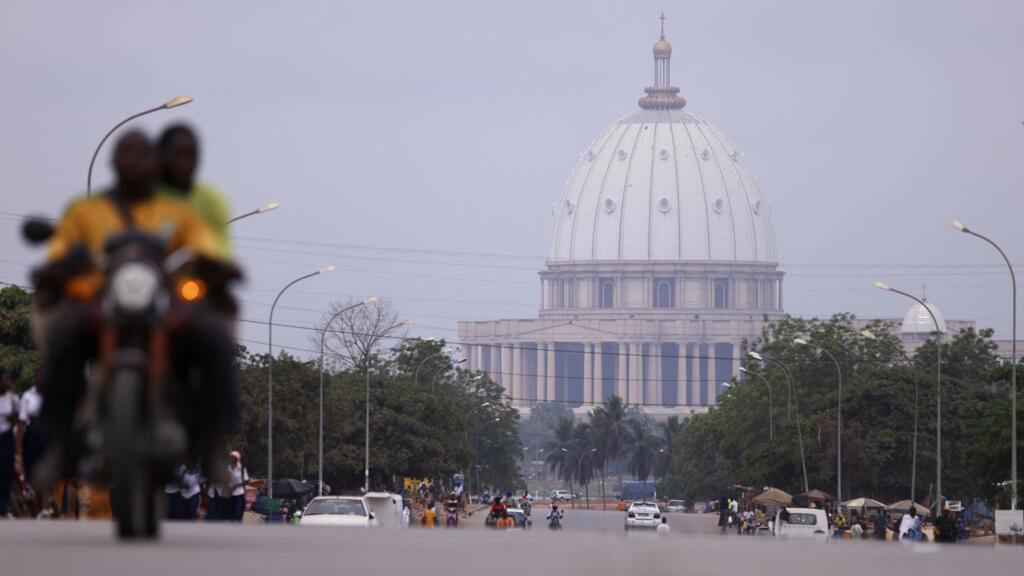
With his drone, real estate agent Francis Djaha showcases parcels he’s selling to potential buyers. From above, the view reveals the Basilica of Our Lady of Peace, one of the country’s most iconic landmarks, and dozens of demarcated plots. Depending on location and size, land prices range from 15 to 40 million West African CFA francs.
After five years in the business, Djaha has noticed a sharp rise in interest in Yamoussoukro: “We’re seeing individual homebuyers, industrial investors, commercial developers looking for office lots, agricultural investors, and even buyers interested in turnkey homes.”
Construction projects are multiplying across several neighborhoods, drawing investors from all corners. The city’s appeal stems from more than just available land. “The roads are wide, making travel smooth between points. The city is peaceful, and the infrastructure built by President Houphouët-Boigny gives it a unique edge. Most importantly, Yamoussoukro’s central location means you can reach anywhere in the country easily,” Djaha explains.
Farmers face shrinking arable land
The city’s growth is attracting buyers from Abidjan, other Ivorian regions, and the diaspora. Many are drawn by what they see as affordable prices and strong development potential. One entrepreneur, who prefers to remain anonymous, recently acquired a plot and is already planning a residential project: “Our goal is to create housing for the community,” he shares.
Yet this real estate boom is transforming villages on Yamoussoukro’s outskirts. Once dedicated to cocoa, yam, and cassava farming, these lands are now giving way to subdivisions. While this shift fuels hopes for economic progress, it also fuels worries about the long-term fate of local farmland. In Séman Sanhourikro, just a few kilometers from the capital, Michel N’Goran, advisor to the village chief, watches these changes with growing concern: “Once these lands are subdivided, we can no longer farm them. In 30 or 50 years, the same fate that befell the Ebrié people in Abidjan could happen here. The Akouès and Nanafouès communities may end up with no farmland left at all.”
Yamoussoukro’s appeal is set to grow even stronger with a planned high-speed rail line connecting it to Abidjan in just 45 minutes—further boosting the city’s attractiveness as an investment destination.
