World bank injects $160 million to bolster water access and climate resilience in Chad
World Bank injects $160 million to bolster water access and climate resilience in Chad
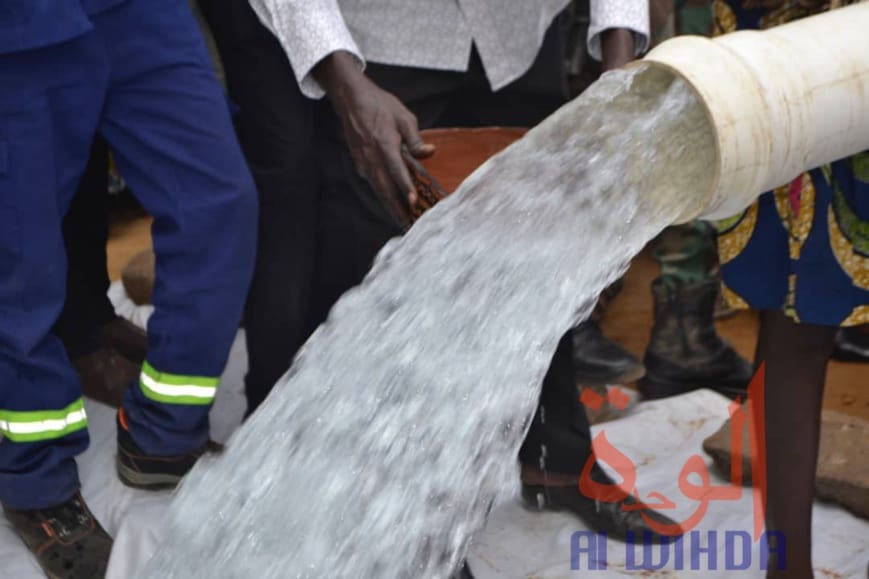
The World Bank allocates $160 million to expand water access and enhance climate resilience in Chad’s most vulnerable provinces, directly benefiting one million people—over half of whom are women.

The World Bank has approved a $160 million grant from the International Development Association (IDA) to bolster water security and climate resilience in targeted provinces across Chad. This initiative, known as the Water Security and Resilience Support Project (PASER), represents a pivotal step toward stabilizing communities grappling with climate shocks, forced displacements, and regional disparities.
By prioritizing sustainable water management and local capacity building, the project aims to mitigate the impact of recurring challenges like droughts, floods, and land degradation. These efforts will directly benefit nearly one million people, with over 50% from host and refugee communities, including 50.6% women.
Restoring access to a vital resource amid escalating pressures
The initiative takes on heightened significance as Chad faces mounting water scarcity exacerbated by climate change. With more than 1.3 million Sudanese refugees seeking shelter in eastern Chad, competition over limited resources has intensified regional tensions. PASER is designed to address these pressures by restoring reliable water access and fostering long-term resilience.
Aligning with Chad’s national development vision
PASER is fully aligned with Chad’s Connexion 2030 Plan, which charts a strategic shift from humanitarian aid to integrated development and resilience-building in displacement-affected provinces. The project’s dual focus on infrastructure upgrades and community empowerment reflects a forward-looking approach to achieving stability and inclusive growth.
Strengthening partnerships for lasting impact
This operation underscores the transformative potential of development investments in fragile contexts. By collaborating closely with international partners, Chad is positioning itself to transition from crisis response to sustainable development, ensuring that progress reaches both host communities and displaced populations alike.
With 80 million of the total funding earmarked for host and refugee communities, the project is poised to deliver tangible improvements in water security, economic opportunities, and social cohesion, paving the way for a more resilient future.
