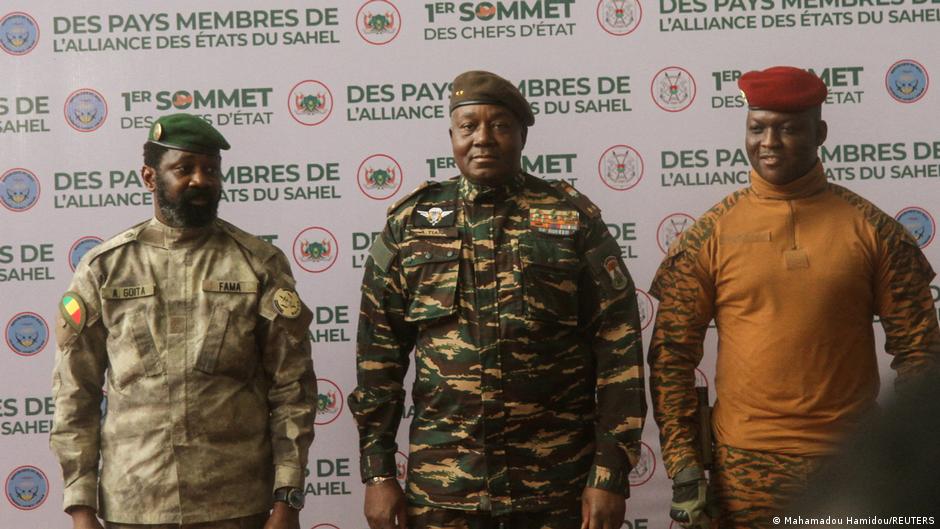
Western powers shift strategies in Sahel amid changing alliances
The shifting political landscape in the Sahel has prompted Western powers to rethink their engagement strategies in the region. While tensions persist, signs of cautious diplomatic movement are emerging between European nations, the United States, and the military-led governments of the Sahel.
Washington’s evolving partnerships in the Sahel
In late February, the U.S. Department of State finalized a five-year bilateral agreement with Burkina Faso, allocating $147 million in development aid focused on combating HIV/AIDS and related health challenges. This financial commitment follows previous diplomatic gestures, including a recent phone call with Niger’s transitional Prime Minister, Ali Mahamane Zeine, where U.S. officials reaffirmed their respect for Niamey’s sovereignty.
These moves suggest a gradual recalibration of Washington’s approach, moving away from blanket policies toward targeted cooperation with Sahelian governments, even those with strained ties to traditional Western allies.
Europe’s pragmatic shift in Sahel diplomacy
The European Union has also signaled a willingness to engage more flexibly with Sahelian nations. João Cravinho, the EU’s Special Representative for the Sahel, recently visited Bamako despite ongoing disputes between Mali’s military authorities and Brussels. While relations remain tense, such visits indicate a potential thaw in dialogue, even if no formal reconciliation has occurred.
Analysts suggest this shift reflects a pragmatic recognition that isolation may not serve European interests in the long term. The EU’s new strategy appears to prioritize bilateral engagement over regional frameworks, with countries like Germany and Hungary maintaining open channels of communication with Sahelian governments.
Why the change in approach?
Several factors are driving this evolution:
- Economic interests: The Sahel is rich in natural resources, including uranium in Niger, gold in Burkina Faso and Mali, and other strategic minerals.
- Security concerns: Western powers remain wary of unchecked instability in the region, which could exacerbate terrorism and migration challenges.
- Diplomatic alternatives: Countries like Germany and Hungary are filling gaps left by France, the former colonial power, offering new avenues for engagement without the historical baggage of French dominance.
As Francis Kpatindé, an Africa specialist and lecturer at Sciences Po Paris, notes, this isn’t a full rapprochement but rather a cautious adjustment: “We shouldn’t expect a sudden thaw, but there’s a flicker of potential dialogue.”
The shifting dynamics underscore the complexity of international relations in the Sahel, where historical ties, economic stakes, and security imperatives intersect. While challenges remain, the recent overtures from Washington and Brussels hint at a more pragmatic, if still fragile, path forward.
