
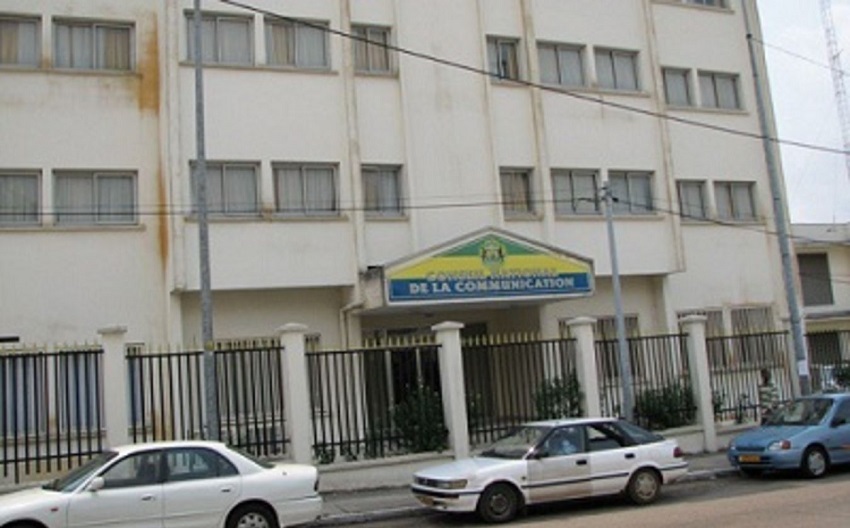
Vandalism at Gabon’s media regulator: institutions under pressure
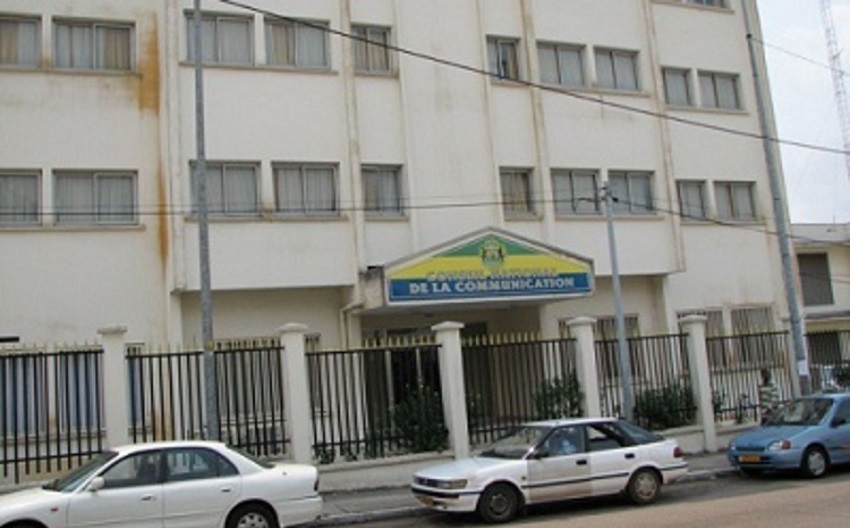
Libreville — The forced entry and vandalism at several offices of Gabon’s media regulator has raised serious questions about the security of public institutions in the country.
The incident, which targeted the High Authority of Communication (HAC), goes beyond mere property damage. Four advisor offices were broken into and ransacked, prompting concerns about the safety of institutions responsible for overseeing public information and media regulation.
In today’s digital age, where information flows freely and media regulation plays a pivotal role in democratic governance, any attack on such an authority carries significant implications. The perpetrators forcibly entered the advisors’ workspaces, forcing open doors to gain access.
As of now, the full extent of the damage and the motives behind the intrusion remain unclear. Authorities have not released details about what may have been stolen or compromised during the incident.
The HAC: A cornerstone of democratic oversight
The High Authority of Communication stands as a key pillar in Gabon’s institutional framework. Its mandate includes ensuring compliance with media regulations, overseeing audiovisual communication, and upholding standards in public information dissemination.
Given the sensitivity of its role—balancing press freedom, editorial accountability, and public order—the HAC’s protection is not merely a matter of physical security. It reflects the broader need to safeguard institutions that uphold democratic values and the rule of law.
While no direct link has been established between the intrusion and the HAC’s regulatory functions, the event underscores the critical importance of protecting public bodies entrusted with essential responsibilities.
Security failures and institutional vulnerability
The ease with which the intruders accessed multiple offices and forced entry raises immediate concerns about security protocols within Gabon’s public administration.
This incident forces a broader discussion about the adequacy of surveillance, access controls, and protective measures in place at state institutions. Beyond material losses, the breach calls into question the state’s ability to secure its critical infrastructure.
In modern democracies, regulatory bodies like the HAC are typically subject to heightened security measures due to the sensitive nature of the information they handle and their role in maintaining public trust in governance.
The events in Libreville highlight that administrative security is not just a logistical concern—it is fundamental to preserving the credibility and continuity of public institutions.
Unanswered questions and possible motives
Several theories about the intrusion remain unconfirmed. Was this an act of vandalism intended to cause disruption? A theft gone wrong? Or an attempt to access sensitive documents or equipment?
The lack of official information prevents any definitive conclusions. The ongoing investigation will be crucial in determining the perpetrators’ motives, methods, and any security vulnerabilities that allowed the breach.
A warning for all public institutions
This incident serves as a stark reminder for all government bodies in Gabon. As digital transformation reshapes data management and governance, securing workspaces and sensitive information has become a strategic necessity.
Protecting public institutions is not just about safeguarding state assets. It is about preserving administrative continuity, fostering public trust, and ensuring the uninterrupted functioning of the Republic.
The investigation must identify those responsible, but the real challenge lies in learning from this breach. Institutions tasked with upholding democratic principles must operate in a secure environment—one that shields them from external threats and internal weaknesses.
When an authority like the HAC is targeted, it is not just a building that is violated. It is the very principle of institutional protection that is called into question.