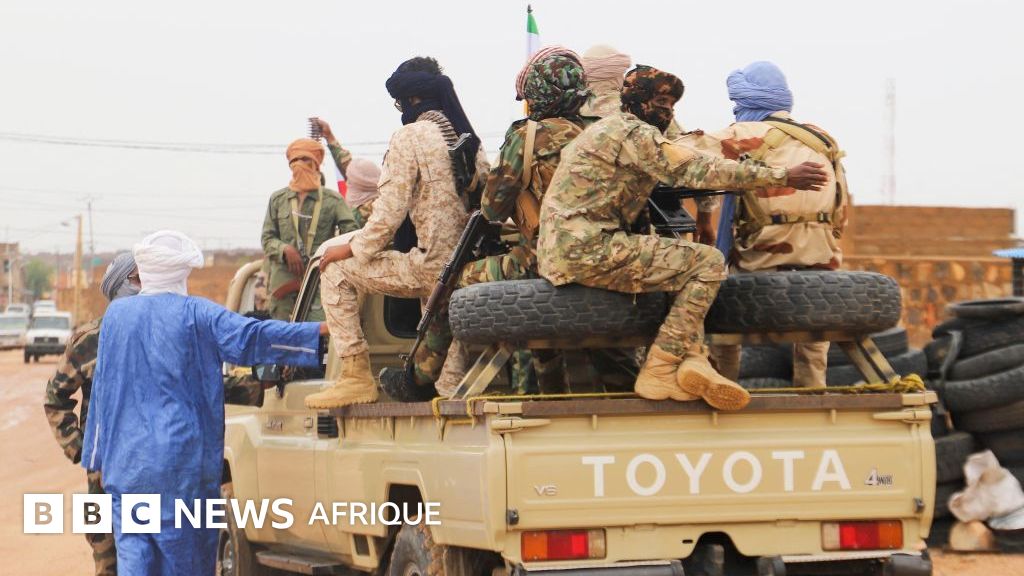
Unprecedented alliance between jihadists and rebels shakes Mali’s military leadership
The recent wave of synchronized strikes launched by the Group for the Support of Islam and Muslims (JNIM) and the Azawad Liberation Front (FLA) has plunged the nation into turmoil. These operations have exposed significant vulnerabilities within the military junta, revealing an insurgency that is becoming increasingly sophisticated and unified.
From the capital, Bamako, to the northern stronghold of Kidal, jihadist and separatist factions struck multiple targets simultaneously. This level of coordination is a startling development in Mali current affairs, as these two groups have historically been divided by deep ideological and territorial disputes. By setting aside their differences to confront the military government, they have fundamentally shifted the security landscape in West Africa.
This tactical convergence suggests a dangerous evolution in the Mali security crisis. Beyond the immediate tactical gains, these attacks threaten the internal stability of the Bamako administration and complicate its relationships with international allies, including Russia and fellow members of the Alliance of Sahel States (AES). The regime now faces the daunting prospect of strategic isolation against a more unpredictable enemy.
Divergent goals, shared targets
The JNIM operates as an Al-Qaeda affiliate with a mission to establish a transnational Islamic order through guerrilla warfare and terror. In contrast, the FLA is a Tuareg separatist movement rooted in the northern rebellions, seeking autonomy or independence for the region of Azawad based on community identity.
While their long-term visions are incompatible, their current partnership is highly effective. The FLA provides deep local knowledge and community networks, while JNIM contributes heavy firepower and experienced combatants. Together, they aim to destabilize the Mali politics english landscape and undermine the military’s authority.
A history of fragile cooperation
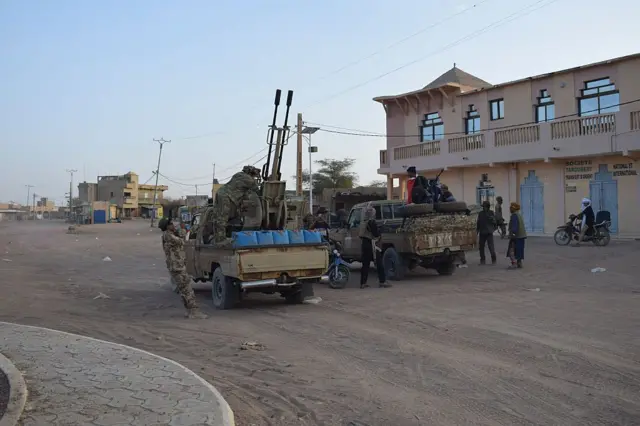
Experts note that this is not the first time such a “marriage of convenience” has occurred. In 2012, the National Movement for the Liberation of Azawad (MNLA) briefly joined forces with groups like AQIM and Ansar Dine to push government forces out of the north. However, that alliance quickly collapsed as jihadists eventually turned on the separatists, leading to international military intervention.
The current collaboration is viewed by analysts as a purely tactical move against a common foe. According to Alioune Tine of the Afrikajom Center, the primary objective is to weaken and potentially dismantle the military junta. The psychological impact of these coordinated strikes creates the impression of a state under total siege.
Striking at the heart of power
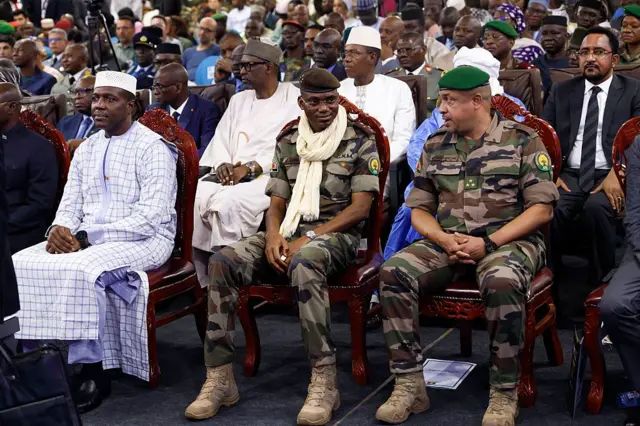
The severity of the situation was underscored by the death of Sadio Camara, the Minister of Defense and a pivotal figure within the Mali military. His assassination at his residence in Kati represents a massive intelligence failure and a direct hit to the army’s command structure. Sadio Camara was considered a key strategist and influential ideologue for the regime.
Following the attacks, the Mali English news cycle was filled with speculation during a 48-hour silence from the presidency. Eventually, the Prime Minister addressed the nation, acknowledging the “asymmetric” nature of the threat and promising to implement “necessary corrections” to the country’s security protocols.
Regional consequences and the domino effect
The instability in Mali is not an isolated issue. There are growing fears of a “domino effect” across West Africa. Observers suggest that if Mali collapses, the surrounding region will likely see a rapid spread of jihadist influence and further governance crises.
Analysts argue that a purely national response is no longer sufficient. There is an urgent need for a unified regional strategy involving both the ECOWAS (CEDEAO) and the AES. Experts emphasize that security, democracy, and governance are now inextricably linked across borders. To survive this crisis, Mali and its neighbors must prioritize collective security over individual political interests.
