United States targets drc conflict actors with new sanctions
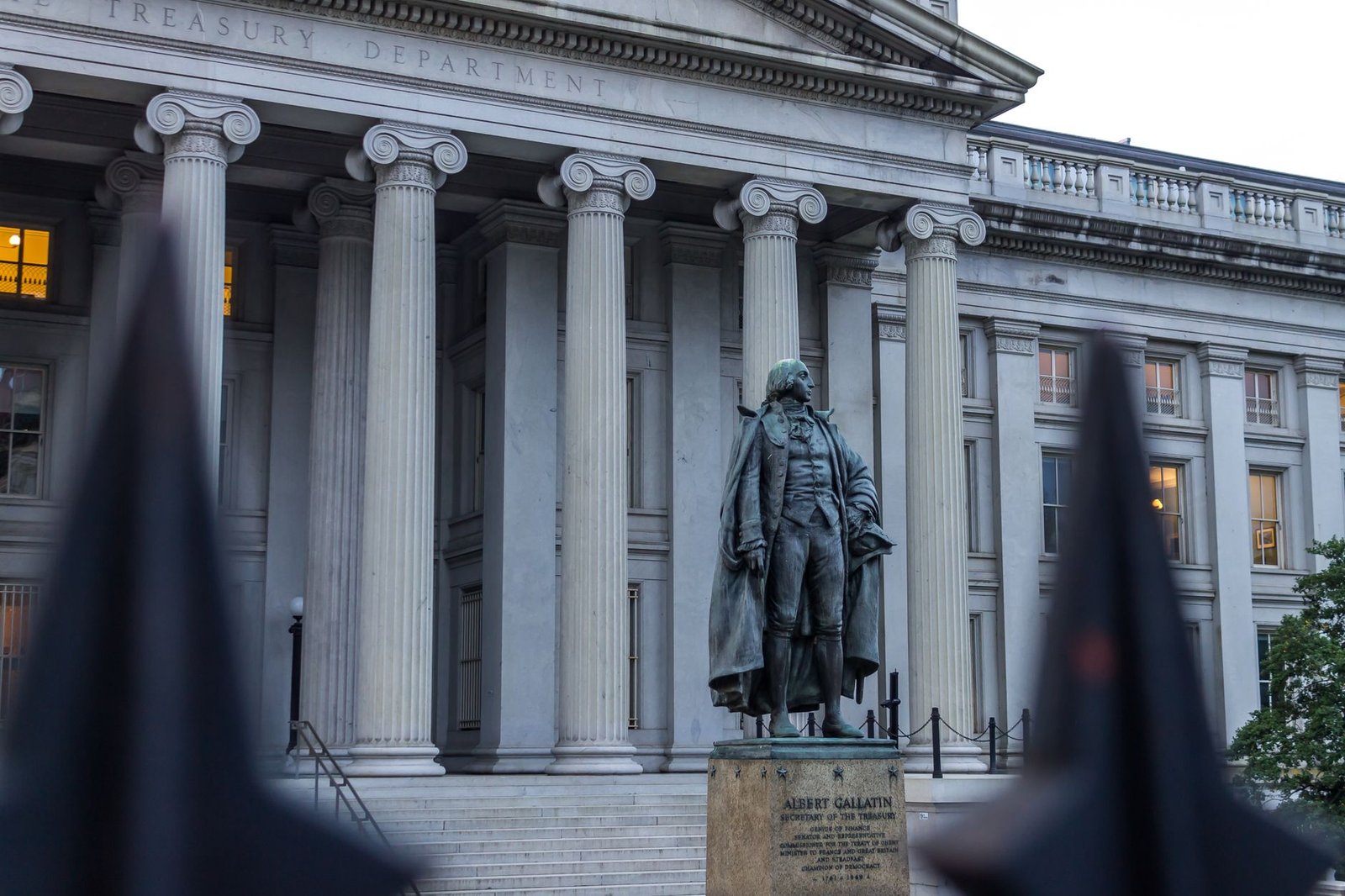
Washington is intensifying its pressure on key players embroiled in the ongoing conflict in the eastern Democratic Republic of Congo (DRC). The U.S. Department of the Treasury recently unveiled a new round of sanctions, specifically targeting two individuals deeply implicated in the violence ravaging the Nord-Kivu and Sud-Kivu provinces. These measures are directed at an intelligence official within the Alliance Fleuve Congo and the March 23 Movement (AFC/M23), and a commander of the Democratic Forces for the Liberation of Rwanda (FDLR). This action extends a series of steps initiated on March 2, when the United States previously sanctioned the Rwandan army and four of its senior officers over their alleged support for the rebellion.
Targeted sanctions against command structures
The latest American approach demonstrates a new level of specificity. Previously, restrictive measures predominantly focused on organizations as entities or on Rwandan state structures suspected of providing logistical and military backing to the M23. By now directly targeting precisely identified individuals within the operational frameworks of these armed groups, Washington aims to disrupt the internal mechanisms of both movements. The AFC/M23 intelligence leader, placed on this list, is considered by U.S. authorities to play a critical role in gathering intelligence and planning operations across Nord-Kivu.
On the FDLR side, the designated commander holds a position within the general staff of an organization that has long been classified as a terrorist entity by various international jurisdictions. Originating from the Rwandan Hutu génocidaires who sought refuge in the DRC after 1994, the FDLR has often served as a pretext for Kigali’s cross-border interventions. By simultaneously sanctioning a key M23 figure and an FDLR officer, the Treasury signals its refusal to prioritize blame and its determination to cut off resources for both factions.
American diplomatic focus on the Great Lakes
These recent measures are part of a concentrated diplomatic offensive. Since the beginning of the year, the U.S. administration has been sending clear signals to Kinshasa, Kigali, and regional capitals involved in mediation efforts. The March 2 sanctions against the Rwandan Defence Forces (RDF) marked a significant turning point, as Washington explicitly named Rwandan generals and identified the army itself as an active participant in the conflict. The announcements this June further this strategy by targeting individuals lower down the organizational charts of non-state armed groups.
On the ground, the M23 maintains control over substantial areas of Nord-Kivu, including the cities of Goma and Bukavu, which were seized during their offensive earlier this year. Negotiations, facilitated by Qatari and Angolan mediation, are struggling to achieve a lasting ceasefire. While U.S. sanctions alone will not fundamentally alter the military balance of power, they significantly complicate access for targeted individuals to the international financial system, freeze any assets under U.S. jurisdiction, and expose their commercial partners to potential secondary sanctions.
Uncertain financial leverage and broader impact
The perennial question of these measures’ actual effectiveness remains. Leaders of armed groups operating in eastern DRC often function largely outside conventional banking systems, relying instead on parallel circuits, particularly those linked to the trade of gold, tin, tantalum, and tungsten. Non-governmental organizations specializing in tracking conflict minerals have for years documented the financial flows sustaining the M23 and FDLR through Rwanda, Uganda, and, to a lesser extent, Burundi.
In practical terms, the primary contribution of individual sanctions lies in their political messaging. They establish a legal framework for European partners who may consider similar actions and hinder attempts by sanctioned individuals to launder money or regain legitimacy. Brussels, in March, already implemented its own restrictions against Rwandan and Congolese figures involved in the conflict. Transatlantic coordination on the Great Lakes issue appears to be strengthening, following several years during which the M23 had largely operated with relative indifference from Western chancelleries.
For Kinshasa, these announcements represent a measured yet tangible diplomatic victory. The government of Félix Tshisekedi has advocated since 2022 for harsher sanctions against Kigali and its proxies. For Rwanda, which consistently denies direct involvement, the expanded scope of U.S. designations complicates its official communications and the efforts of its lobbyists in Washington.
