
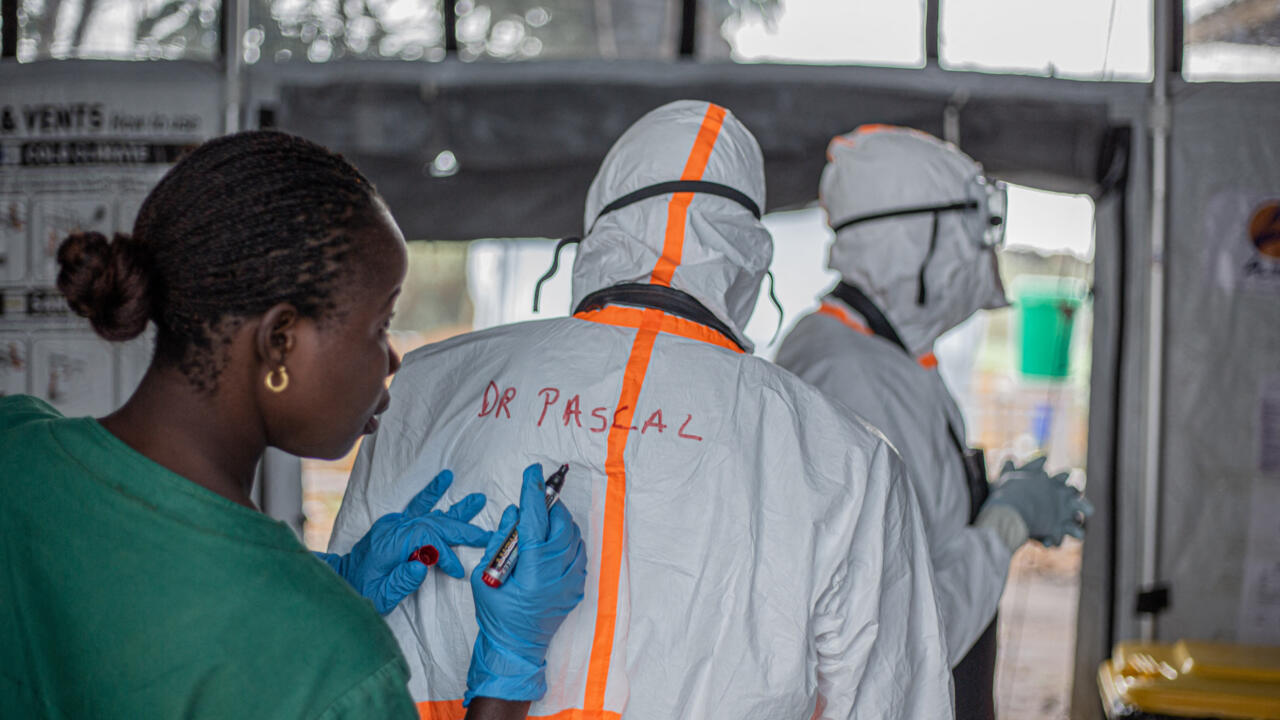
Global health authorities have raised urgent concerns about the Ebola outbreak in the Democratic Republic of Congo (DRC). Two months after the crisis was declared, official reports on July 15 record over 2,000 cases and 796 deaths. Yet experts warn the actual number of infections could be two to four times higher than documented. What factors are contributing to this alarming discrepancy, and why has the epidemic proven so difficult to control?
the uncounted cases behind the numbers
While authorities cite 2,000+ cases, epidemiologists highlight several reasons behind the potential underreporting. Remote areas with limited access to healthcare often delay case detection. Community resistance to health workers and misinformation further obstruct efforts. In conflict-affected regions like Ituri, instability hampers surveillance and response teams. Together, these factors create gaps that may mask the true scale of the outbreak.
a race against time and geography
The Eastern DRC’s terrain and ongoing insecurity make containment exceptionally challenging. Travel restrictions and movement monitoring are vital, yet porous borders and displaced populations complicate containment. Health workers face daily risks, from violence to fatigue, while battling a disease that spreads through close contact and bodily fluids. With limited resources and competing public health priorities, the outbreak continues to spread despite containment efforts.
hope on the horizon? a new prevention trial
Amid the crisis, a promising development offers cautious optimism. This week in Bunia, health officials launched the first post-exposure prophylaxis clinical trial. The study aims to test a preventive treatment for high-risk individuals exposed to the virus, potentially reducing transmission and mortality. While early, this initiative could be a turning point in the fight against Ebola in the region.
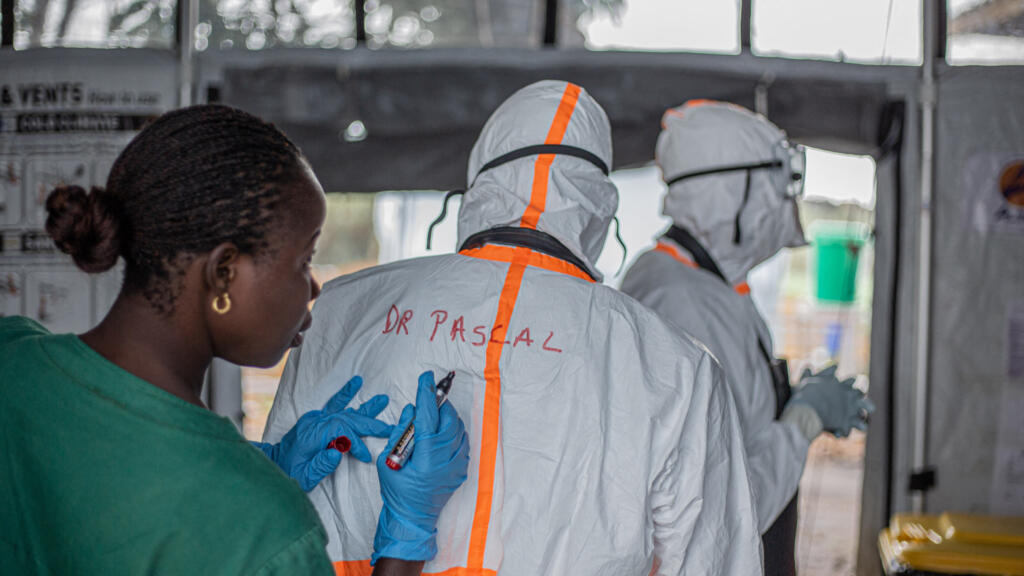
The road to controlling the outbreak remains steep. But with new prevention trials underway and an unwavering commitment from health teams, there’s a chance to turn the tide. The question now is: will the response scale fast enough to match the hidden scale of the epidemic?