
UN highlights ‘exceptionally severe’ violence in eastern DRC amid ongoing conflict
An independent UN investigative commission has raised urgent concerns during a Geneva briefing on June 29 about the deteriorating security situation in the eastern regions of the Democratic Republic of the Congo (DRC). The commission documented harrowing accounts of sexual violence, unlawful executions, and forced recruitment of minors, painting a picture of a humanitarian crisis spiraling out of control.
The eastern provinces of the DRC, including North Kivu and South Kivu, have been embroiled in a decades-long conflict, exacerbated by the persistent clashes between government forces and the M23 armed group. The region’s wealth in natural resources has only deepened the instability, leaving civilians increasingly vulnerable and defenseless.
Humanitarian emergency unfolds
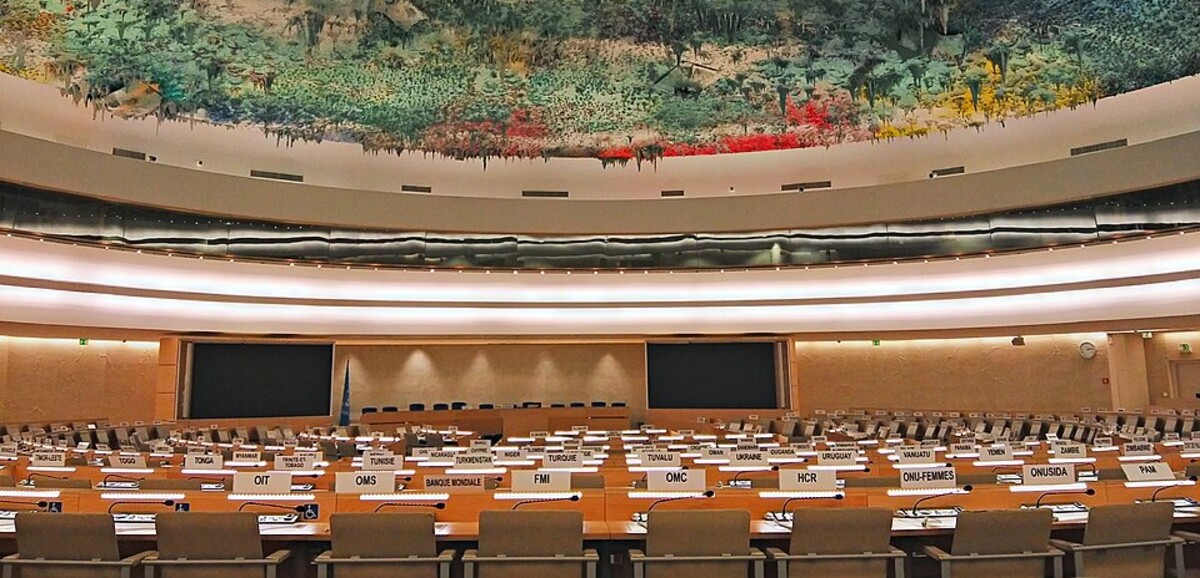
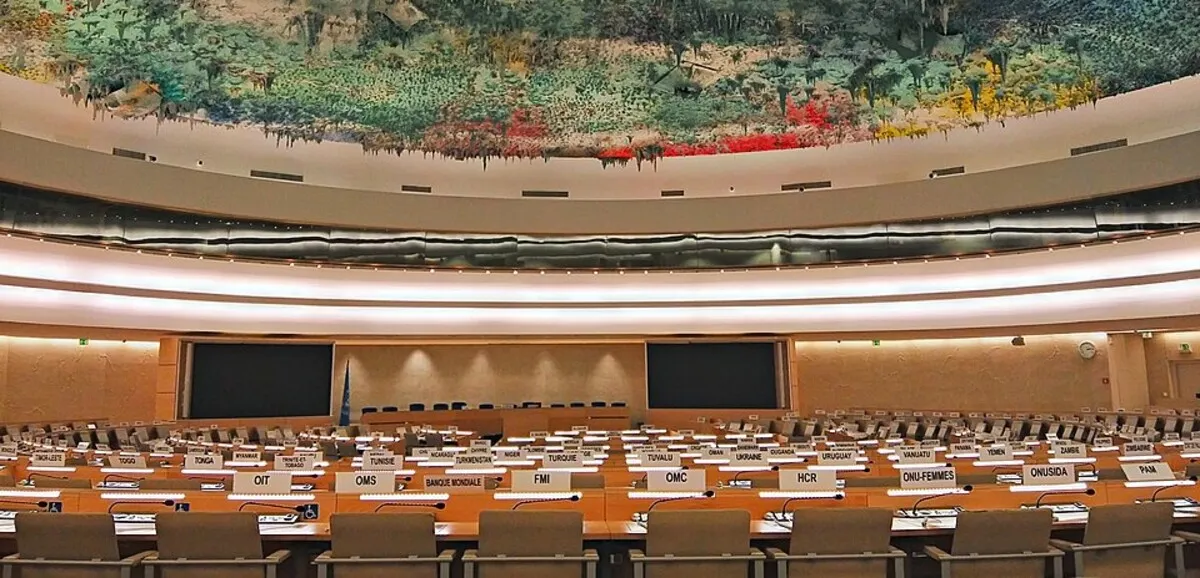
During a presentation to the Human Rights Council, the commission revealed alarming testimonies from the ground, highlighting a sharp deterioration in the security situation. Civilians in these provinces, described as “exposed and unprotected”, face intensified violence as public institutions weaken. “The evidence we’ve gathered points to an exceptionally severe crisis,” stated commission president Arnauld Akodjenou, emphasizing the gravity of the findings.
Disturbing trends uncovered
The commission’s preliminary investigations have uncovered deeply troubling patterns, including sexual violence linked to the conflict—“including sexual slavery”—forced conscription of children, unlawful killings, arbitrary arrests, and deliberate attacks on schools and healthcare facilities. While the commission acknowledges its inquiry is still in its early stages and has yet to draw definitive conclusions, it has already noted obstacles to humanitarian access, ill-treatment in detention centers, and threats against human rights defenders and journalists documenting abuses.
The experts have issued a urgent call to all conflict parties to ensure “safe, swift, and unhindered” humanitarian access. They also urge Congolese authorities and the international community to support credible, independent investigations and strengthen protections for civilians. “The suffering we’ve been made aware of goes beyond concern,” Akodjenou remarked. “It demands sustained attention, rigorous investigation, and decisive international action.”