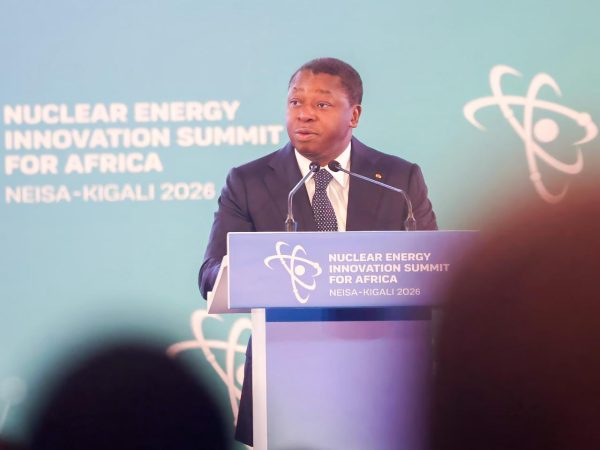
Togo’s faure gnassingbé champions african energy independence at neisa 2026
Kigali, May 20, 2026 — Intense discussions unfolded within the sophisticated confines of the Kigali Convention Centre, focusing on pressing energy needs and ambitious industrial growth. Heads of State, civil nuclear experts, investors, and international partners converged on May 19, 2026, for the second edition of the Nuclear Energy Innovation Summit in Africa (NEISA 2026). This significant gathering underscored the continent’s escalating determination to redefine its energy future.
Among the distinguished leaders present, Faure Essozimna Gnassingbé articulated Togo’s perspective with a clear central message: Africa must move beyond merely addressing current energy deficits. Instead, the continent must strategically invest in technologies capable of powering its future economic transformation.
During his address, the Togolese leader emphasized the critical need for African nations to proactively anticipate the energy demands stemming from industrialization, rapid population growth, and the expansion of digital economies. Beneath the diplomatic and technical exchanges of the summit lay a widely acknowledged truth across the continent: without a stable, competitive, and sustainable energy supply, Africa’s aspirations for industrial development are likely to remain unfulfilled.
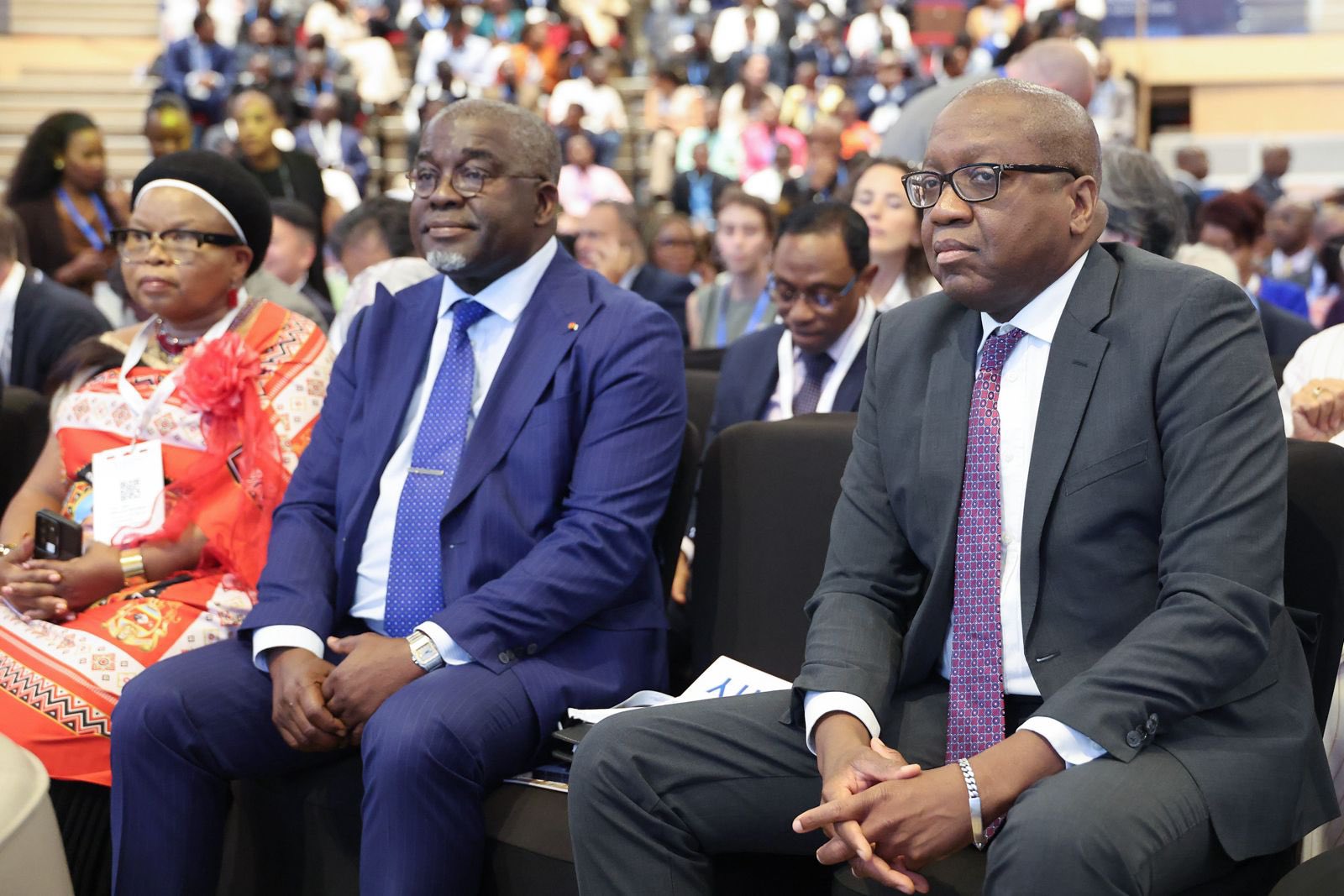
Civil nuclear power: africa’s next energy frontier
In Kigali, civil nuclear energy emerged as one of the most prominent discussion points. For many years, this sector was largely perceived as unattainable for numerous African nations due to its substantial costs and complex technical requirements. However, it is now progressively reclaiming a central position in African energy strategies.
For several attendees, the conversation extended beyond mere electricity generation, encompassing crucial issues of national sovereignty, industrial competitiveness, and overall energy security. In this evolving context, Togo passionately advocates for an approach built on pioneering partnerships, the strategic diversification of energy sources, and the robust enhancement of regional cooperation.
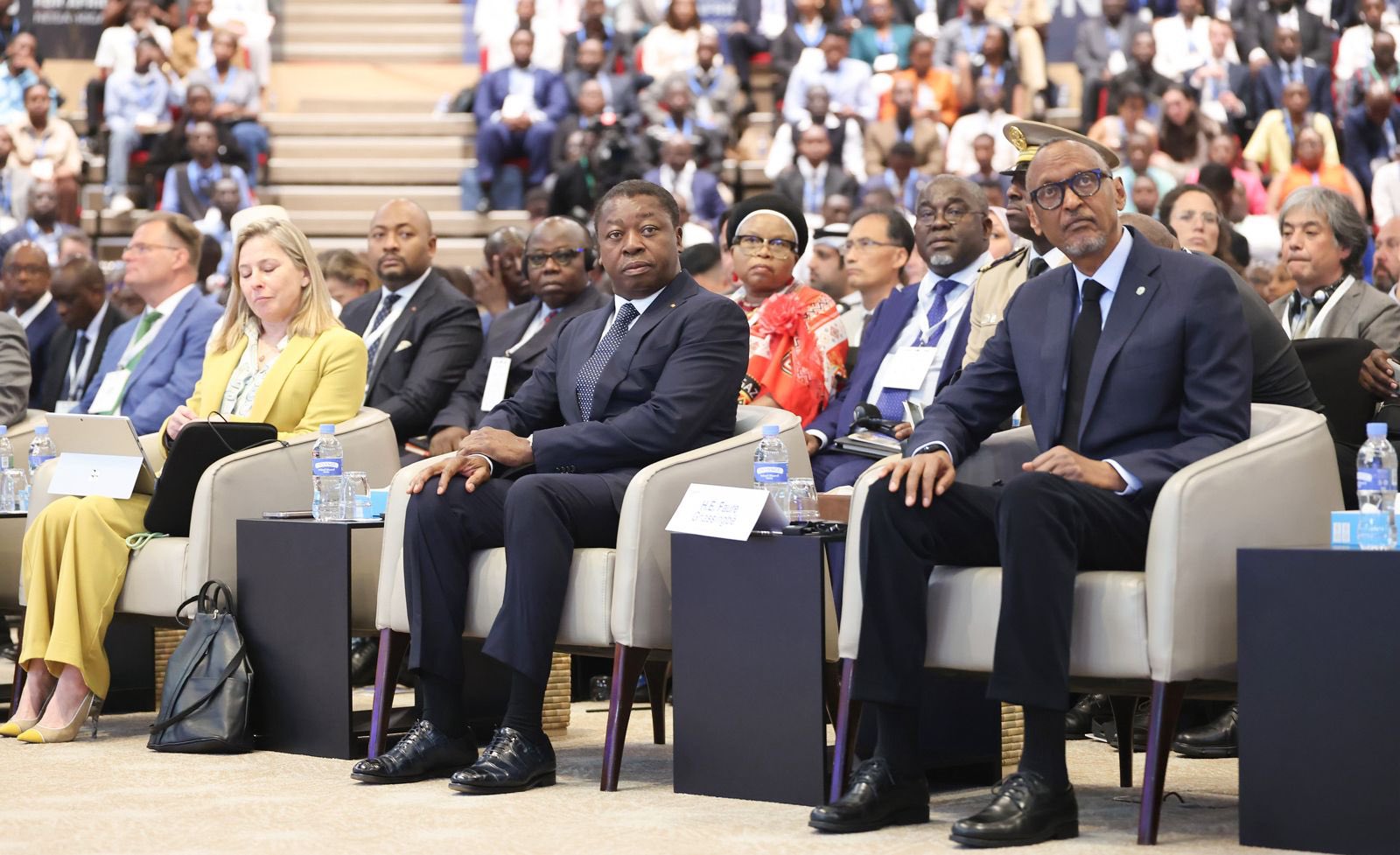
Togo’s vision: cooperation and innovation for energy access
The message conveyed by Faure Essozimna Gnassingbé in Kigali is part of a broader, dynamic strategy: to leverage access to energy as a powerful catalyst for economic transformation. Togo is actively pursuing international collaborations designed to provide essential technical expertise, crucial financing, and cutting-edge technological innovation.
Beyond the realm of nuclear power, the summit’s deliberations also encompassed vital topics such as energy infrastructure development, the implementation of smart grids, financing mechanisms for the energy transition, and the cultivation of local skills. These are particularly strategic challenges for African economies experiencing rapidly escalating energy demand.
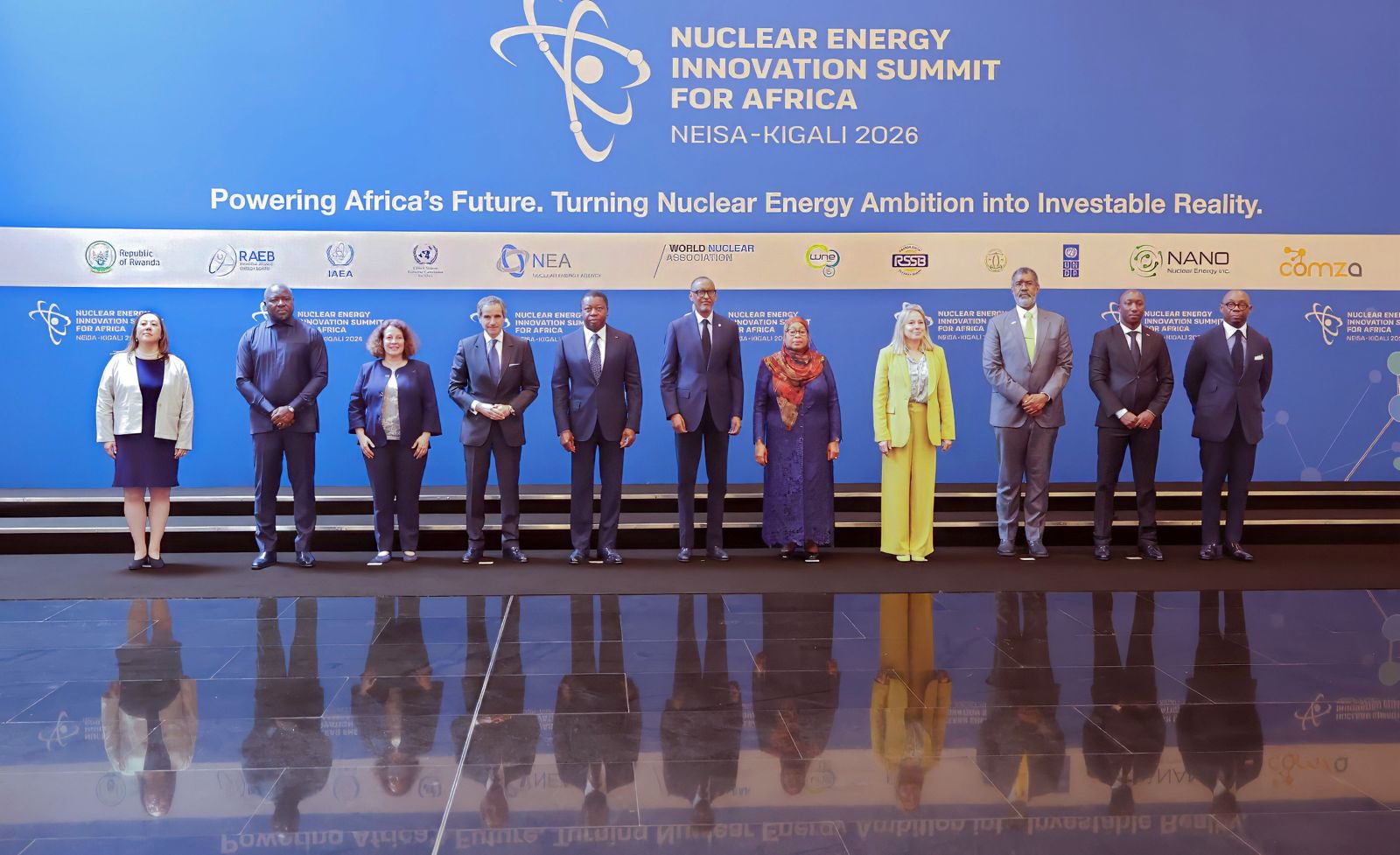
kigali: a forward-looking africa
Within the conference halls of NEISA 2026, the prevailing sentiment was unequivocally forward-looking. For the assembled leaders, preparing the continent’s energy future now entails significant investments in long-term solutions capable of sustaining African competitiveness within a rapidly evolving technological landscape.
At Kigali, Togo intentionally presented itself as a committed participant in this critical continental dialogue. Through a combination of strengthened African cooperation, the pursuit of energy autonomy, and an openness to innovation, the summit distinctly illustrates a profound shift: Africa is increasingly determined to independently establish the foundations of its own energy sovereignty.
