
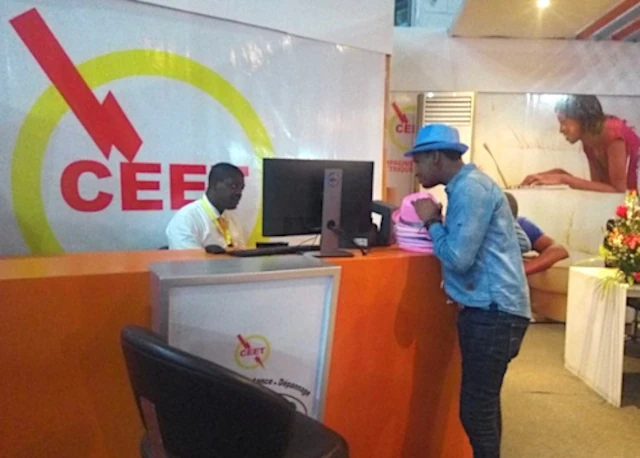
The Togolese Public Procurement Dispute Resolution Committee (CRD) of the Autorité de Régulation de la Commande Publique (ARCOP Togo) delivered a decisive ruling on June 19, 2026, closing the chapter on allegations of irregularities surrounding the international tender for the Lomé electricity network expansion project (PEREL PLUS). With decision number 024-2026, the CRD officially dismissed all accusations after a thorough investigation.
Following an in-depth review of the investigation report and testimony from the Public Procurement Responsible Officer at the Compagnie Énergie Électrique du Togo (CEET), the Committee concluded that the denunciations lacked solid foundation. The claims, which had surfaced on March 28 and April 8, 2026, alleged multiple procedural flaws in the tender managed by CEET.
A tender under scrutiny but fully compliant
The anonymous complaints raised several concerns, including claims that:
- a restricted list was established without proper prequalification;
- foreign companies dominated the selection;
- the contract lacked clear lot allocation;
- excessively stringent qualification criteria were retained.
However, the CRD’s investigation revealed that the tender process was rigorously governed by an official prequalification phase, which successfully filtered 9 candidates out of 15 expressions of interest. This step ensured transparency and fairness in the selection process.
PEREL PLUS project gains regulatory and technical approval
The tender dossier, linked to financing from the Agence française de développement (AFD), also received clearance from the Direction nationale du contrôle de la commande publique (DNCCP Togo) and AFD itself. These endorsements validate the project’s adherence to both national and international procurement standards.
The CRD emphasized that in projects financed by external resources, the rules of the funding agency take precedence over certain national provisions, particularly regarding lot structuring. This alignment ensures that the project benefits from international best practices while maintaining compliance with local regulations.