
Welcome to Lomé, where the third edition of the Pan-African Business Forum (Biashara Afrika) kicked off on a dramatic note. What began as a celebration of the African Continental Free Trade Area (AfCFTA) quickly transformed into a stark lesson on the continent’s lingering border bureaucracy.
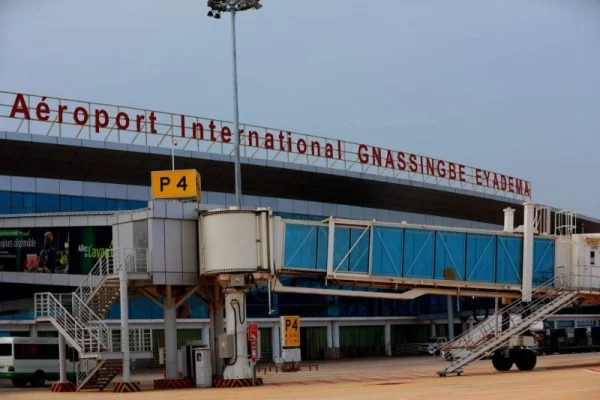
The incident unfolded as delegates gathered for a high-profile event intended to showcase Togo as a regional logistics and financial hub. Instead, it exposed a glaring contradiction: while African leaders discuss integration and economic unity, travelers with African passports face unnecessary hurdles at Lomé’s Gnassingbé Eyadéma International Airport.
African passports, European privileges: the paradox at Lomé Airport
The forum’s opening ceremony took an unexpected turn when Nigeria’s Minister of Industry, Trade and Investment, Dr. Jumoke Oduwole, shared a firsthand account of two businessmen—one Nigerian, one Ghanaian—who arrived from Europe the night before. Their offense? Attempting to enter Togo using standard CEDEAO passports, which should guarantee free movement under the bloc’s 1970s-era agreement.
The response from border officials was swift and uncompromising: entry denied. To set foot in Lomé, the investors had to resort to a last-minute workaround—presenting their European passports and requesting a 24-hour visa. The message was clear: in Africa, a European passport trumps an African one when it comes to seamless travel.
Dr. Oduwole, drawing on nine years of trade experience in Nigeria, delivered a blunt assessment: “One of them, an investor in financial services, told me he would not consider investing here. We hadn’t even left the airport, and his decision was already made.” She contrasted this with Europe, where no such visa requirements would ever be imposed on an African traveling within the EU.
The irony was not lost on observers: for investors, holding a European passport appears to be the only surefire way to avoid border bureaucracy in Africa.
Bureaucracy vs. ambition: the cost of inconsistent border policies
For a nation positioning itself as a regional hub, the fallout from this incident was immediate. Visa restrictions on neighboring countries don’t just inconvenience travelers—they repel investment. In Lomé, the spectacle of African investors being turned away at the gate sent a damaging signal to international financiers already assessing the region’s stability.
If the goal is to attract capital and foster trade, then border policies must align with the AfCFTA’s vision of a unified market. Yet, as this incident demonstrated, bureaucratic inertia continues to undermine progress.
48-hour ultimatum: Togo’s president demands immediate action
The swift reaction from Togolese President Faure Gnassingbé caught many off guard. Rather than convening a months-long inquiry, he issued a public directive to the Minister of Security: resolve the visa anomaly within 48 hours. The instruction was clear, concise, and timed to coincide with the forum’s closing session.
“I am giving the Minister of Security 48 hours to address this issue,” Gnassingbé announced, signaling zero tolerance for administrative mismanagement that tarnishes the country’s image.
For airport authorities, the clock is now ticking. By Wednesday—the forum’s final day—they must demonstrate compliance with free movement principles or face accountability. The message to border officials is equally direct: free movement isn’t just a policy on paper; it’s a condition for investment and economic growth.
AfCFTA at a crossroads: the free movement litmus test
Reactions from the forum underscored the broader implications. An Ivorian economist warned: “This incident is a wake-up call. Without free movement of people, the AfCFTA remains an empty promise.” A Ghanaian entrepreneur added: “If African investors need European passports to do business on the continent, then integration is nothing more than a slogan.”
The AfCFTA promises a market of 1.4 billion consumers and a combined GDP of $3.4 trillion. Yet, as Lomé’s airport incident revealed, these ambitions are undermined by outdated practices. Harmonizing visa policies, digitalizing border procedures, and enforcing political will are no longer optional—they are prerequisites for success.
The lesson from Togo is simple: when a single misplaced stamp can cost millions in lost investments, the continent must move faster than its bureaucrats.