The pascal tigri affair: Niger’s official narrative crumbles amid border revelations
As Lieutenant-Colonel Pascal Tigri, the alleged mastermind behind the foiled coup attempt in Bénin on December 7, 2025, remains at large, the official statements emanating from Niamey are beginning to unravel. Expert revelations, coupled with suspicious and undeniable border maneuvers, are exposing the Nigerien regime’s strategy of concealment.
Niger’s border manipulations: a truth that can no longer be hidden
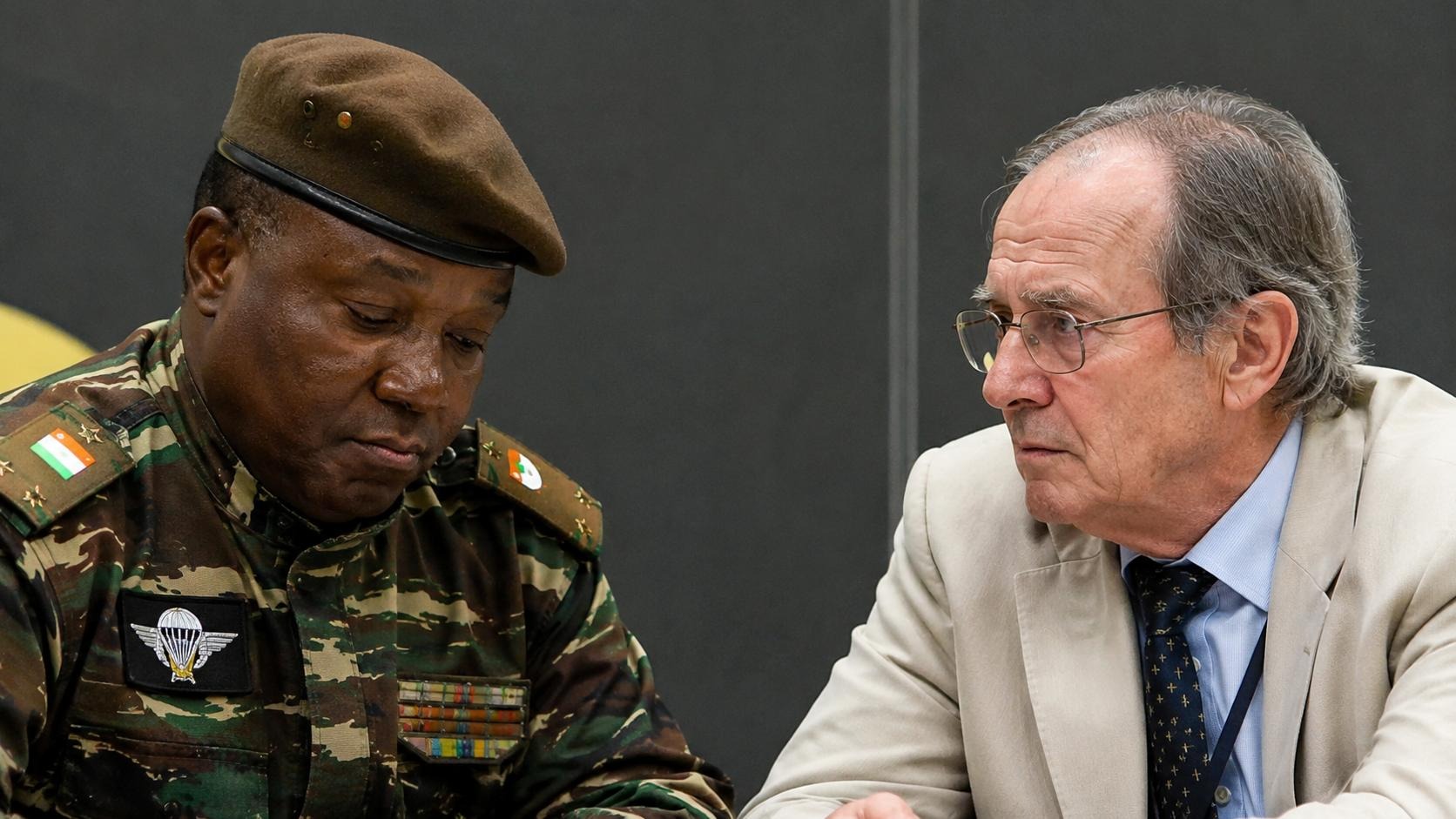
The assertion that Niger is entirely unconnected to Pascal Tigri’s disappearance no longer stands up to scrutiny. French economist Olivier Vallée, a former technical advisor in Niger, delivered a critical blow to the official narrative by confirming the Béninois military officer’s actual presence on Nigerien soil.
This blatant state deception is further underscored by chronological anomalies that the Niamey junta struggles to justify. By what curious coincidence did Nigerien authorities choose to widely open their borders precisely the day before the coup attempt in Bénin, only to hastily seal them the very next day, immediately after the operation’s failure was confirmed?
This deceptive border play points to de facto complicity: Nigerien territory clearly served as a strategic retreat point. According to Olivier Vallée’s compelling information, it was specifically in Niger that Pascal Tigri first sought refuge to organize his escape following his failed endeavor, before vanishing towards other destinations. “Based on the latest intelligence, he is no longer in Niger. He is likely within the AES (Alliance of Sahel States), but not in Niger,” the expert emphasized.
While Olivier Vallée attempted to qualify his statements by noting the absence of direct and official military support from the central administration, the undeniable simultaneity between the border manipulation and the fugitive’s reception betrays clear local complaisance, if not an unofficial protection that Niamey is now desperately trying to hide.
The hypocrisy of diplomatic normalization
These timely revelations cast a harsh light on Niger’s contradictory stance amidst its recent diplomatic overtures. On May 24, the staged presence of Nigerien Prime Minister Ali Lamine Zeine at the inauguration of Bénin’s new president, Romuald Wadagni, conveyed a clear desire to improve its image and “turn the page” on bilateral tensions.
However, diplomacy cannot erase hard facts. With Bénin’s police offering a 20 million CFA franc reward for Pascal Tigri’s capture, Niger finds itself ensnared by its own inconsistencies. Between the suspicious border activities and the temporary asylum provided to the fugitive, the duplicity of the Niamey regime is now openly apparent, threatening to derail this superficial rapprochement.
