The crumbling mask of Kemi Seba: pan-africanism or political opportunism?
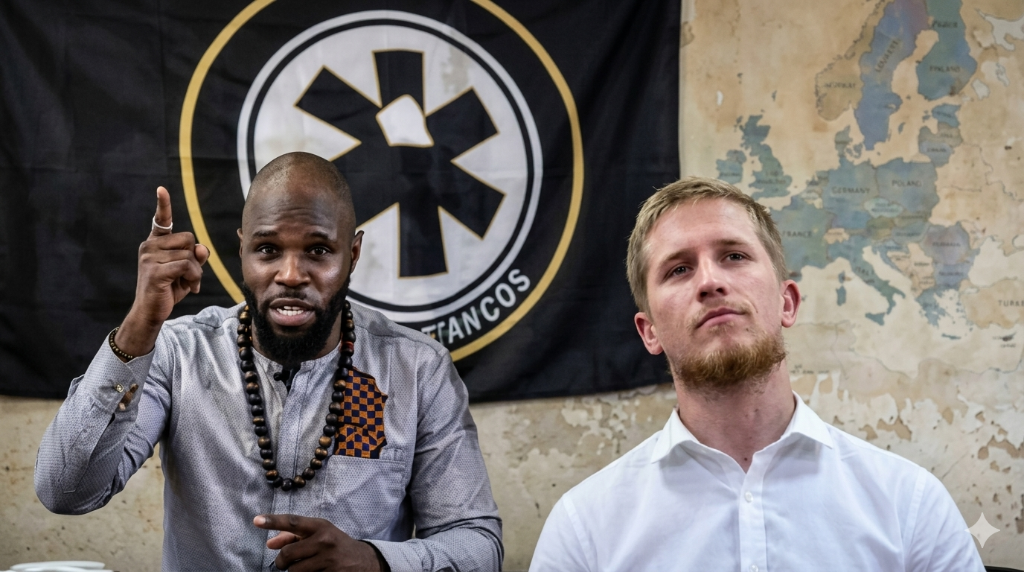
Stellio Capo Chichi, better known by his pseudonym Kemi Seba, often presents himself as the supreme commander of the black cause and a champion of African sovereignty against modern-day colonialism. However, beneath the aggressive rhetoric and carefully curated social media persona lies a series of contradictions that threaten to undermine the very movement he claims to lead. His recent legal troubles in South Africa and his surprising connections with radical Afrikaner right-wing figures have exposed a deeply problematic alliance.
The inconsistency of a modern pan-africanist
For years, Seba has built his reputation by attacking foreign interference and advocating for an Africa completely detached from its former colonial powers. Yet, it is difficult to reconcile this demand for total independence with his public proximity to individuals like Dries van der Merwe, a figure associated with white separatist movements and a nostalgic view of the Apartheid era.
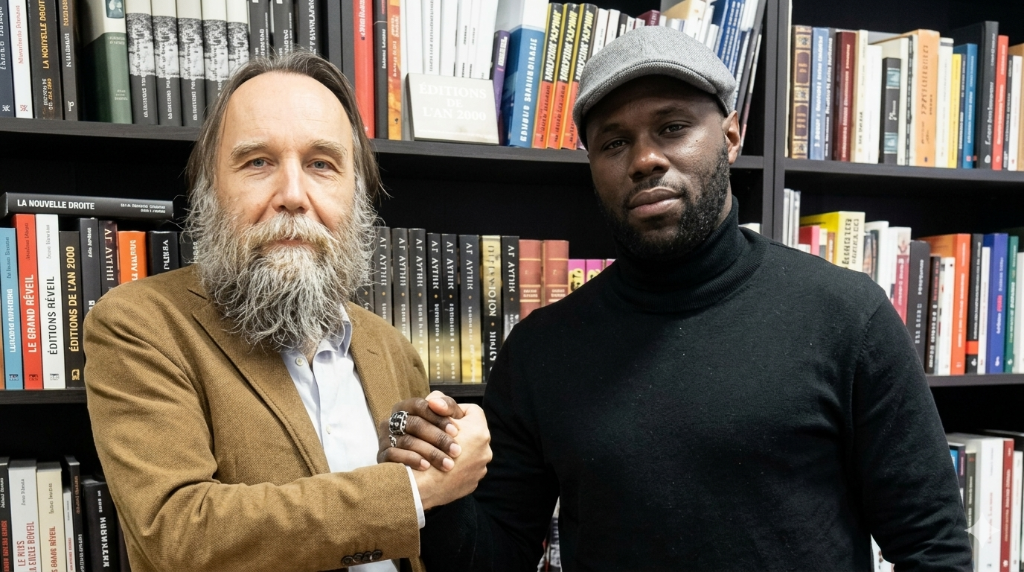
While some might defend this as a strategic case of “the enemy of my enemy is my friend,” it feels more like an affront to the history of anti-colonial resistance. By aligning himself with those who once championed the systematic oppression of black populations, Seba isn’t just practicing Realpolitik; he is compromising the fundamental dignity of his own cause.
Financial shadows and international funding
In Benin, money laundering investigations have cast a harsh light on the financial underpinnings of the activist’s operations. There is a glaring disconnect between his ideology of African self-sufficiency and the presence of opaque international financial networks. It is particularly ironic that a man who frequently denounces the CFA franc as a currency of bondage is now the subject of serious financial scrutiny.
- Suspicious circuits: Investigations suggest that the movement’s funding may be tied to the very globalist mechanisms it claims to oppose.
- Personal interests: If the allegations of laundering are proven, it would indicate that the “revolutionary” is merely a player in a system he publicly condemns, using international networks for personal gain.
A drift toward opportunism
The events in South Africa highlight a bitter truth: Kemi Seba appears willing to partner with any faction capable of destabilizing current power structures, regardless of their historical or moral background. Collaborating with fringe groups that still harbor dreams of Afrikaner supremacy suggests that his primary objective is generating media chaos rather than achieving true justice.
“Pan-Africanism should never serve as a cover for unnatural alliances. A people cannot be liberated by shaking the hands of their former oppressors for the sake of political convenience.”
The end of the activist’s image
As he faces arrest warrants and potential extradition, the facade of the “incorruptible” activist is beginning to crack. By reaching out to those who long for racial segregation to bolster his own influence, Kemi Seba has crossed a line, turning a noble struggle into a mere ideological business. For many, he is no longer the voice of a continent, but a man seeking refuge, trapped by his own doctrinal betrayals.
History may eventually show that the most significant threat to Kemi Seba’s mission was not foreign governments or currencies, but the profound inconsistency of his own political choices.
