Tchad’s breakthrough in securing private capital for national development

In an era where global financial fragmentation and shrinking public development aid dominate headlines, Chad has defied expectations by securing a groundbreaking $20.5 billion in private capital commitments. This achievement, detailed in the African Development Bank’s African Economic Outlook 2026, marks a pivotal milestone in the country’s National Development Plan (PND), which demands a total investment of $30 billion. Notably, 46% of this financing—equivalent to $16.4 billion—has already been committed by private and international investors, while an additional $4.1 billion is tied to 40 signed agreements and memoranda. For a nation ranked 190th on the 2025 Human Development Index, this financial mobilization stands as a testament to strategic foresight.
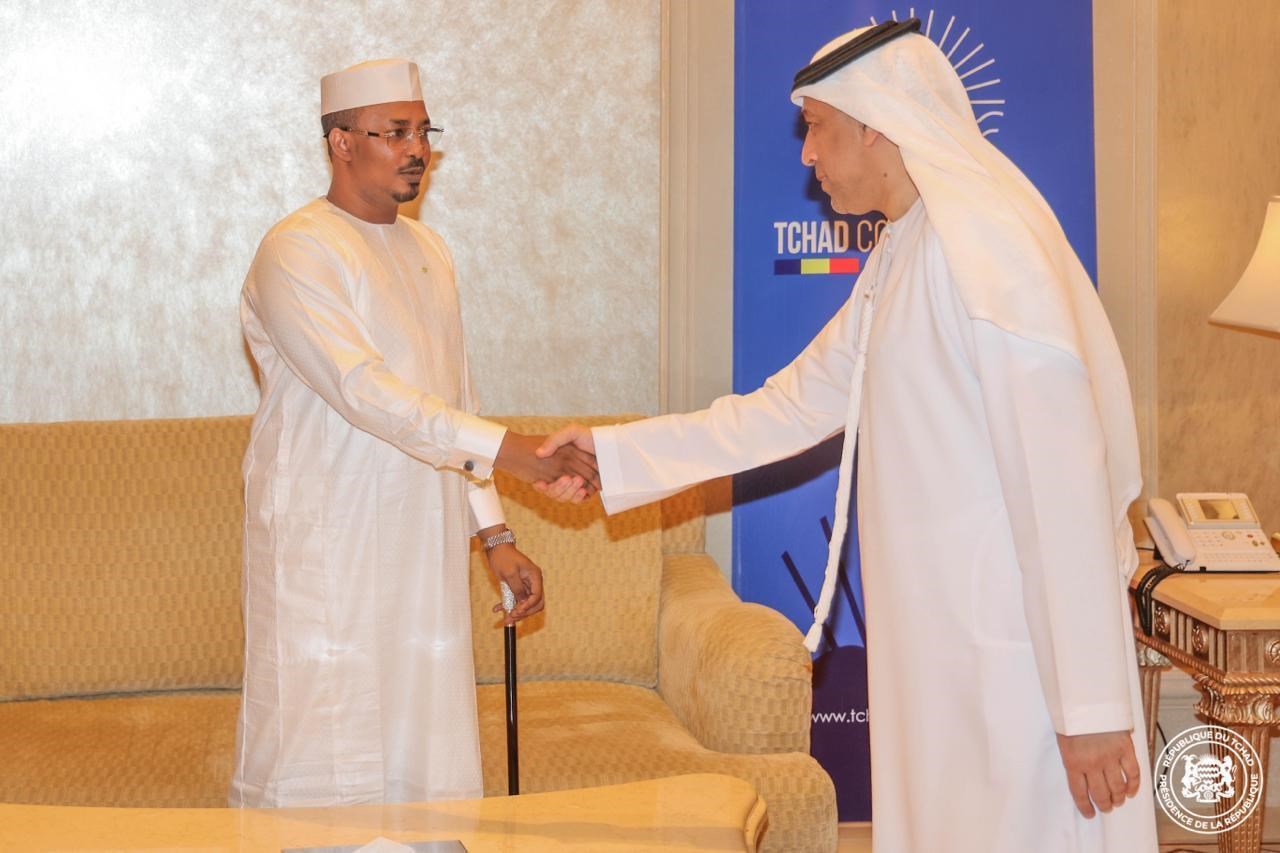
The cornerstone of this success lies in Chad’s innovative approach to diversifying its funding sources—a strategy few Central African Economic and Monetary Community (CEMAC) countries have executed with comparable precision. The African Development Bank highlights a diplomatic initiative that cultivated robust partnerships with the United Arab Emirates and the Islamic Development Bank, unlocking a largely untapped channel of Islamic financing across the region. Concurrently, Chad reinforced its traditional multilateral support from institutions like the IMF and World Bank while forging new South-South partnerships with Middle Eastern economies. This tripartite financing model—blending Western, Islamic, and South-South capital—represents an unprecedented structure in Central Africa.
Chad’s fiscal credibility has been instrumental in attracting these investments. Despite hosting over 1.5 million Sudanese refugees, the country maintained its budget deficit below the 3% threshold set by CEMAC in 2025. Public debt remains controlled at 32% of GDP, one of the lowest in the CEMAC zone. This fiscal discipline, coupled with reforms to broaden the tax base and digitalize revenue collection, has sent a strong signal of reliability to investors—a feat even wealthier economies struggle to achieve.
The implications of Chad’s achievement extend far beyond its borders. For development partners, Islamic financial institutions, and private investors eyeing Central Africa, this case study demonstrates that massive private capital mobilization doesn’t hinge on a developed financial market or high per capita income. Moving forward, N’Djamena aims to prioritize attracting equity-based private capital and strengthening its regulatory framework to sustain this momentum. This $20.5 billion milestone is merely the first step in what observers anticipate will be a transformative economic journey for Chad.
