
N’Djamena hosts national workshop to boost groundwater governance in Chad
A three-day national workshop in N’Djamena brings together key stakeholders to develop a consensus-driven action plan for sustainable groundwater management, addressing critical water security challenges in Chad.
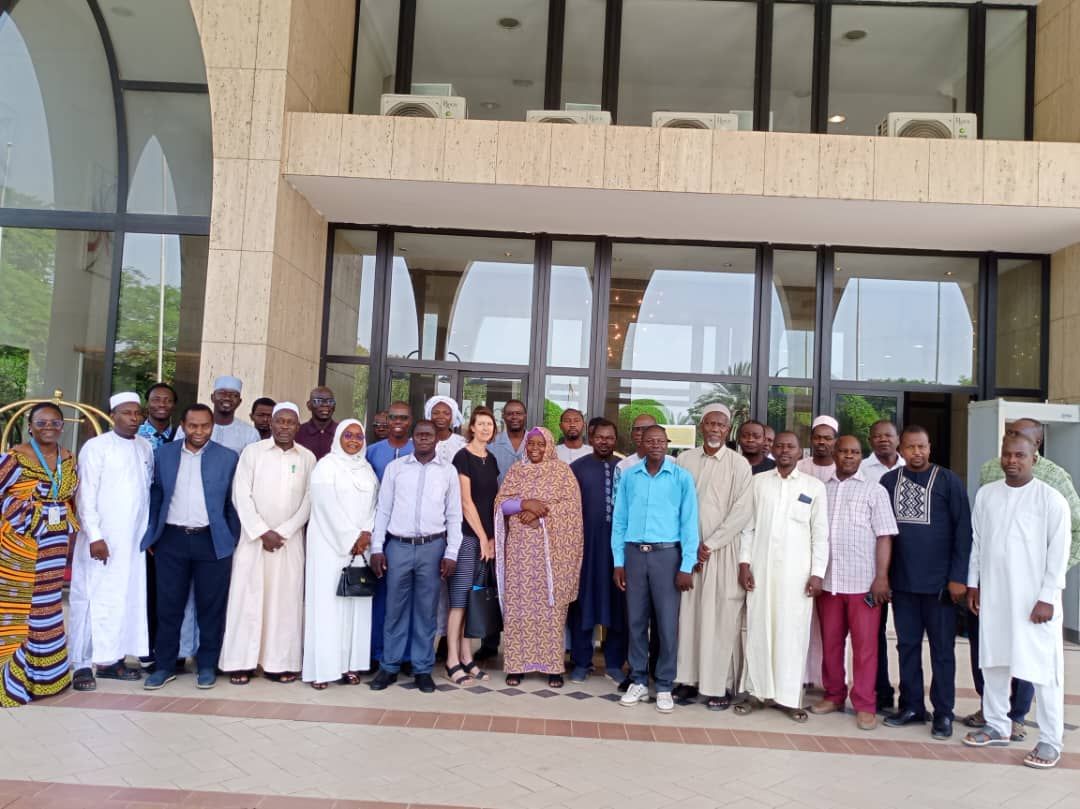
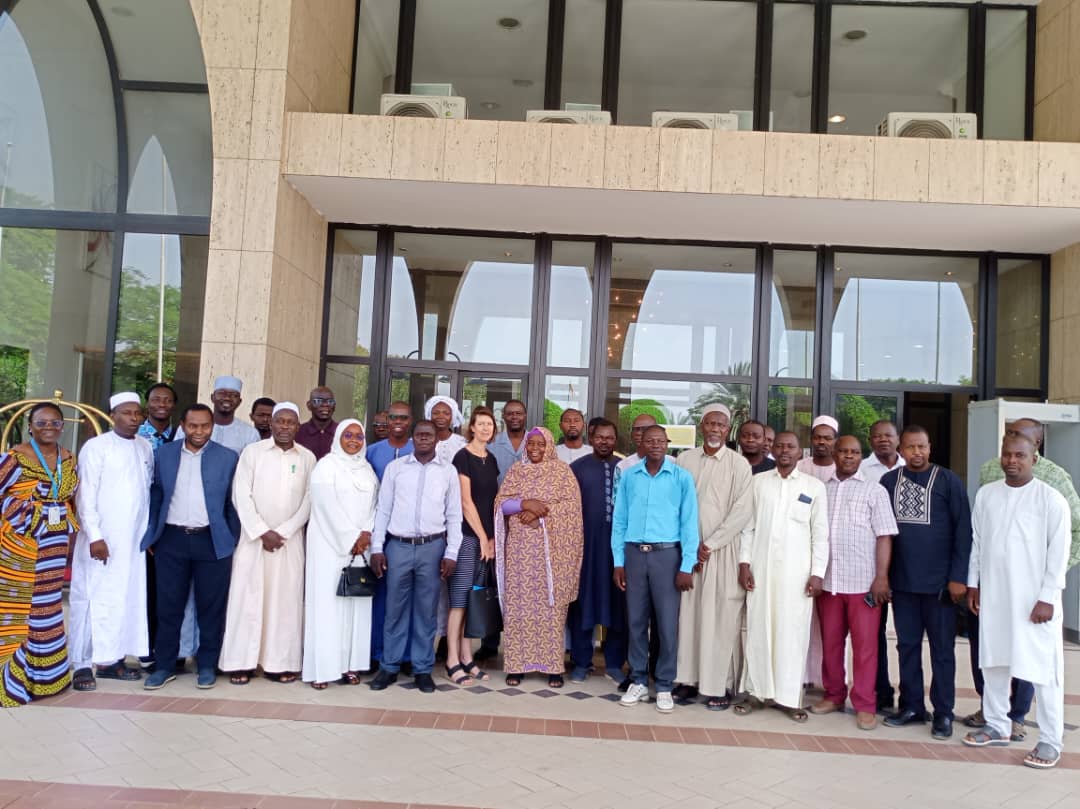
A national workshop in N’Djamena convened this week to tackle one of Chad’s most pressing challenges: ensuring the sustainable management of its groundwater resources. Bringing together nearly 50 participants from government agencies, technical partners, civil society, and user groups, the three-day event aims to forge a unified action plan to safeguard both the quantity and quality of underground water supplies.
Why groundwater matters for Chad
Groundwater is the lifeblood of Chad’s water security, powering everything from drinking water supplies and agricultural irrigation to urban development and pastoral systems. In a country where surface water is increasingly scarce due to climate pressures, underground aquifers represent a vital yet fragile resource. The workshop was designed to address these challenges head-on, fostering collaboration among diverse stakeholders to develop solutions that are both effective and inclusive.
Key voices and commitments
Opening the event, Natascha Paddison, UNICEF representative in Chad, emphasized the human stakes behind every technical decision. “Every policy we craft around groundwater is ultimately about people—especially children,” she noted. “Access to clean water, sanitation, and hygiene isn’t just a technical issue; it’s a foundation for health, education, and human dignity.”
She challenged participants to use the workshop as a platform for sharing expertise, confronting risks, and co-creating solutions that transform groundwater from a potential source of conflict into a pillar of resilience and progress. “These resources must be a safeguard for health, not a threat; a catalyst for development, not a battleground,” she stated.
The UNICEF representative also highlighted the UK Foreign Office’s critical role in making the workshop possible, underscoring the importance of international partnerships in addressing Chad’s water challenges.
Government’s vision for sustainable water governance
Fatimé Hassan, Director General of Water Resources in Chad, outlined the workshop’s core objectives: building a shared understanding of the country’s groundwater landscape, pinpointing governance gaps, and designing actionable steps for improvement. “This isn’t just about discussing challenges—it’s about forging a roadmap,” she explained. The outcomes will feed into a comprehensive report and technical guidance note, incorporating findings from the 2026 national groundwater risk assessment.
Building a collaborative path forward
The workshop gathered a broad coalition of stakeholders, including national water authorities, sectoral ministries, regional organizations, UN agencies, NGOs, private sector representatives, user groups, and academic experts. Together, they worked to identify priority risks—such as over-extraction, pollution, and inequitable access—and to draft recommendations for a more resilient, equitable, and sustainable groundwater future for Chad.