
Tchad defends military operations in lake Chad amid civilian casualties allegations
Breaking news
The Chadian government has strongly refuted on Thursday allegations from the United Nations regarding civilian casualties during military operations against Boko Haram in the Lake Chad basin. While N’Djamena firmly denies the claims, authorities have expressed readiness to conduct thorough investigations if necessary.
N’Djamena upholds army’s professionalism amid scrutiny
The Chadian government spokesperson, Gassim Chérif Mahamat, condemned on Thursday what he termed as attempts to “undermine the Chadian army’s credibility.” He emphasized that the nation’s armed forces remain “highly professional” and fully committed to combating terrorism across the Sahel and Lake Chad regions. These remarks follow a United Nations Human Rights Office statement reporting that airstrikes attributed to Chadian and Nigerian forces in Nigeria’s northeastern region resulted in numerous civilian fatalities.
UN calls for swift independent investigations
Volker Türk, the UN High Commissioner for Human Rights, urged Chadian and Nigerian authorities on Wednesday to initiate “prompt, thorough, independent and impartial” investigations into the reported incidents. He also stressed the need for military forces in both countries to exercise “maximum precautions” to prevent civilian harm, emphasizing that operations must comply with international humanitarian law. “Civilians and civilian objects must never be targeted,” Türk emphasized.
Chad expresses willingness to investigate
Despite rejecting the allegations, Chadian officials have affirmed their commitment to transparency. Gassim Chérif Mahamat assured that the country possesses an “independent judiciary” capable of conducting investigations with full transparency. Nigeria has also responded, with its military asserting that targeted strikes hit “confirmed terrorist structures” exclusively occupied by non-state armed groups.
The Lake Chad basin: a decade-long jihadist stronghold
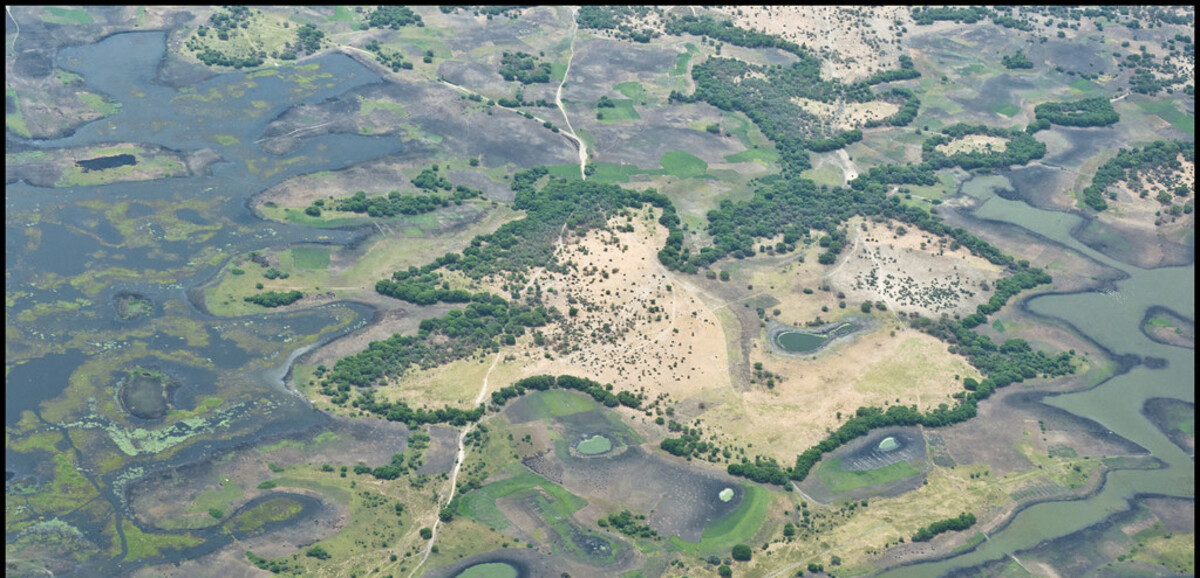
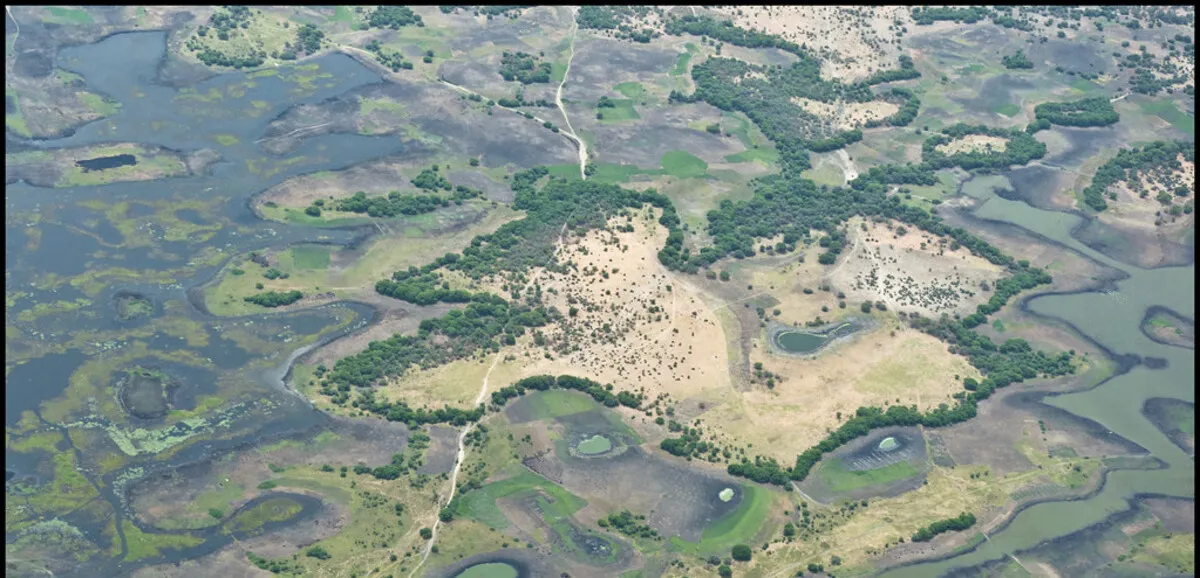
For over fifteen years, the Lake Chad basin has emerged as one of Africa’s most critical jihadist hotspots. This vast, swampy region spanning Nigeria, Niger, Cameroon, and Chad has become a haven for Boko Haram and Islamic State’s West Africa Province (ISWAP) fighters. Regional militaries conduct frequent operations against these armed groups amid a persistently unstable security environment.