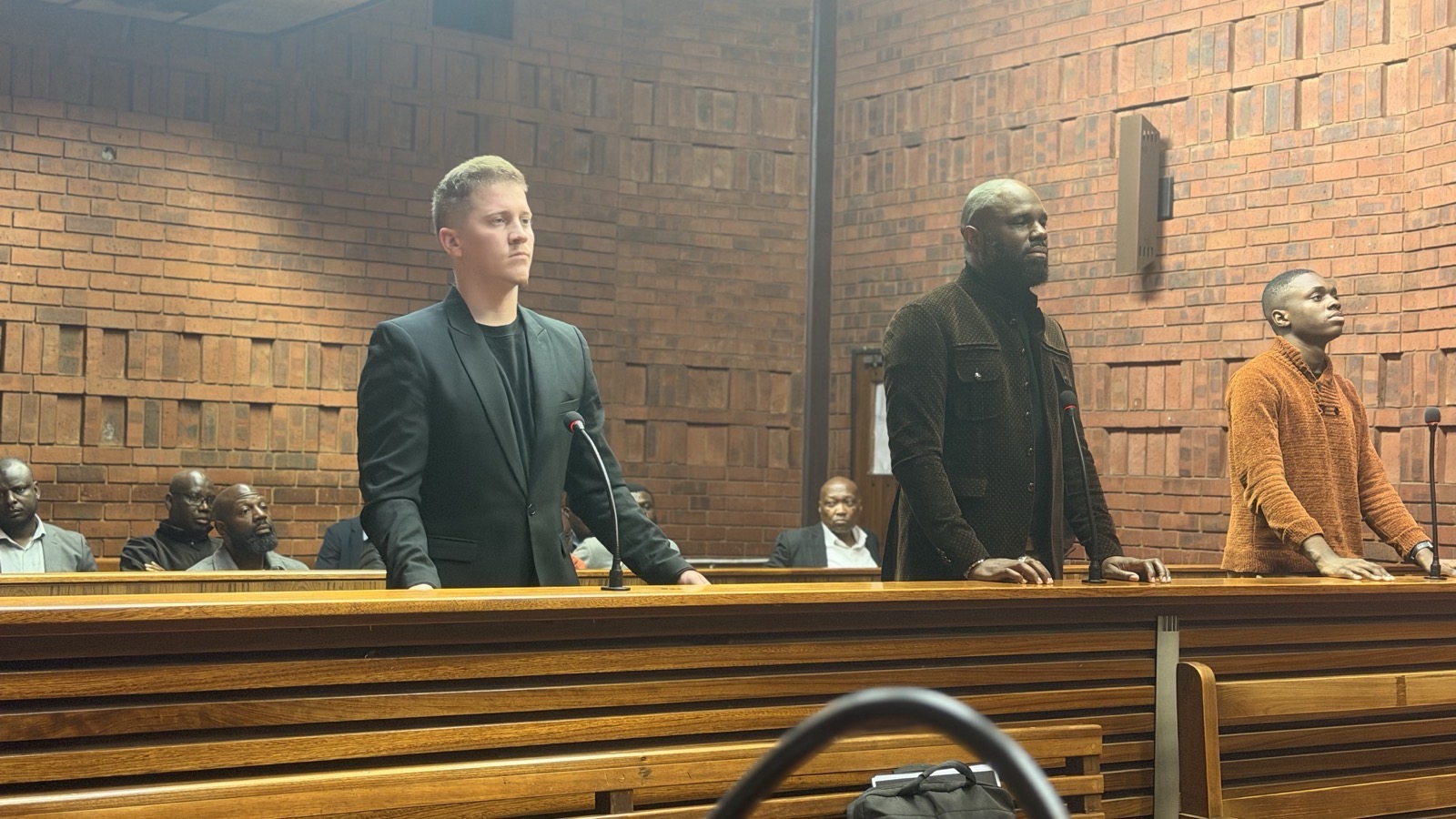
South african court denies bail to activist kemi seba amid immigration charges
Activist and panafricanist figure Kemi Seba remains in South African custody after a Pretoria court rejected his bail application. The decision follows his mid-April arrest in the administrative capital, where authorities claim he was preparing to illegally cross into Zimbabwe.
An arrest during an attempted border crossing
The incident unfolded in Pretoria, where law enforcement conducted an undercover operation that led to the detention of Seba, his son, and an Afrikaner identity activist, François van der Merwe. Investigators allege that Seba’s visa had expired, rendering his presence in the country unlawful. According to authorities, he was intercepted just before making an unauthorized entry into neighboring Zimbabwe, escalating the legal consequences he now faces.
Prosecution argues against bail on national security grounds
In a pre-trial hearing, Seba’s legal team pushed for his release on bail to allow him to appear in court freely. However, prosecutors presented compelling objections, arguing that releasing him would pose a significant flight risk. Their reasoning hinged on two critical points:
- Evidence of prior flight risk: Seba was reportedly caught attempting to flee to Zimbabwe, a move prosecutors say demonstrates his willingness to evade justice if granted bail.
- Suspicion of international criminal ties: Authorities have raised concerns that Seba may be involved in broader criminal networks, including alleged plans for terrorist activities abroad. These accusations have transformed the case from a routine immigration matter into a high-stakes national security issue.
Court rules in favor of detention amid ongoing investigations
After multiple postponements of the bail hearing, the court ultimately sided with the prosecution. Judges concluded that the evidence presented justified Seba’s continued detention while authorities pursue charges related to both immigration violations and potential threats to national security.
For now, Seba remains incarcerated in a South African prison, awaiting further judicial proceedings that will determine his fate under both immigration and security laws.
