Society civil pushes for transparent referendum on Senegal’s constitution reform
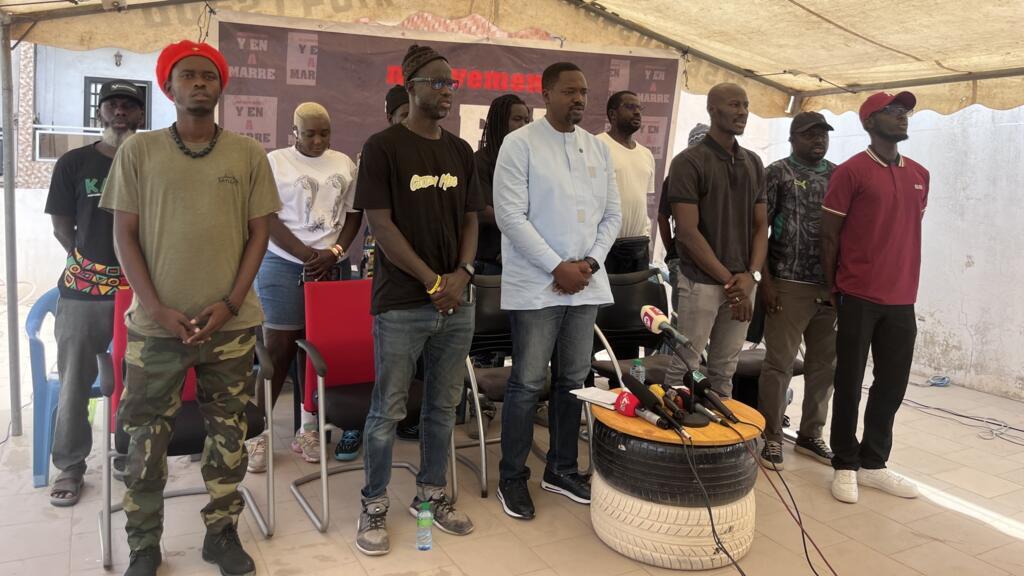
The Senegalese civil society is making its voice heard in the ongoing constitutional reform process. Following the National Assembly’s approval of the amendment initiative on June 29, led by Pastef lawmakers, the citizen movement Y’en a Marre has underscored the necessity of submitting the draft to a referendum before final approval. This stance aligns with the proposal put forward by President Bassirou Diomaye Faye, who emphasized the importance of direct public consultation.
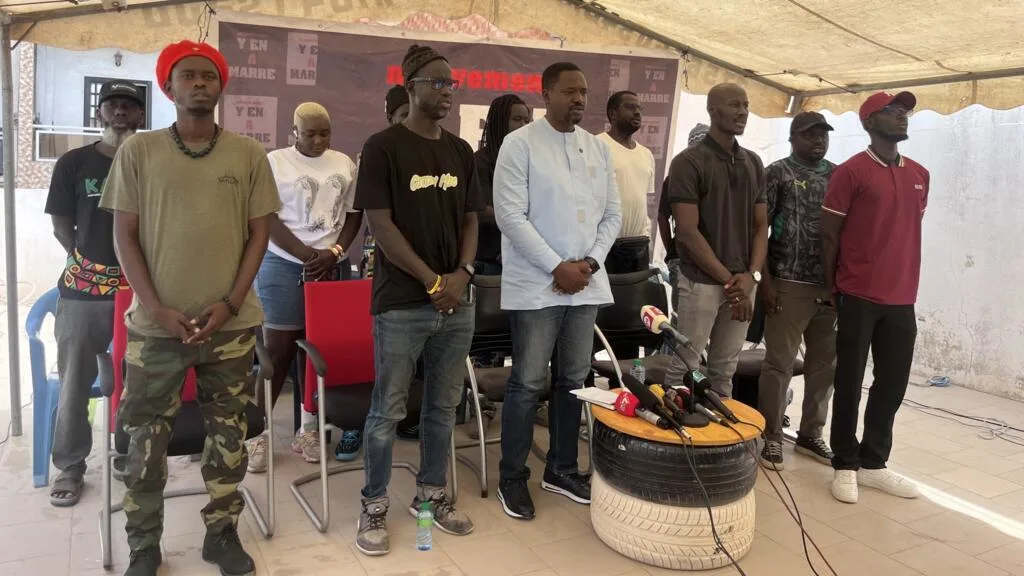
Y’en a Marre, a grassroots organization with 15 years of advocacy, has sharply criticized the political climate surrounding the reform, accusing certain actors of resorting to political maneuvering and backroom dealings reminiscent of past administrations. Aliou Sané, the movement’s founder, welcomed the referendum announcement but cautioned against its use as a delaying tactic to undermine Pastef’s initiatives. He stressed the need for citizens to fully grasp the reforms before casting their votes: “This referendum must not be a political ploy. Let’s move forward with the reforms, but ensure the people have the clarity and space to decide for themselves.”
Resurfacing old tactics and stigmatization
In a troubling development, Y’en a Marre has been labeled by some supporters of opposition leader Ousmane Sonko as a “LGBT lobby”, a highly contentious accusation in Senegal where homosexuality is criminalized. The movement condemned this tactic, pointing out that similar rhetoric was employed during the presidencies of Abdoulaye Wade and Macky Sall. “These are tactics we’ve seen before—accusations of foreign funding and destabilization attempts. When Macky Sall used them, those now in power were among those who condemned such baseless claims.”
The civil society group also highlighted the arrest of twelve individuals near the National Assembly on June 29, the day the constitutional reform was adopted. Among those detained were nine young activists from the opposition party Alternative pour la Relève Citoyenne (ARC), held on charges of “public disorder” and “unauthorized protest” before being released later that day.
