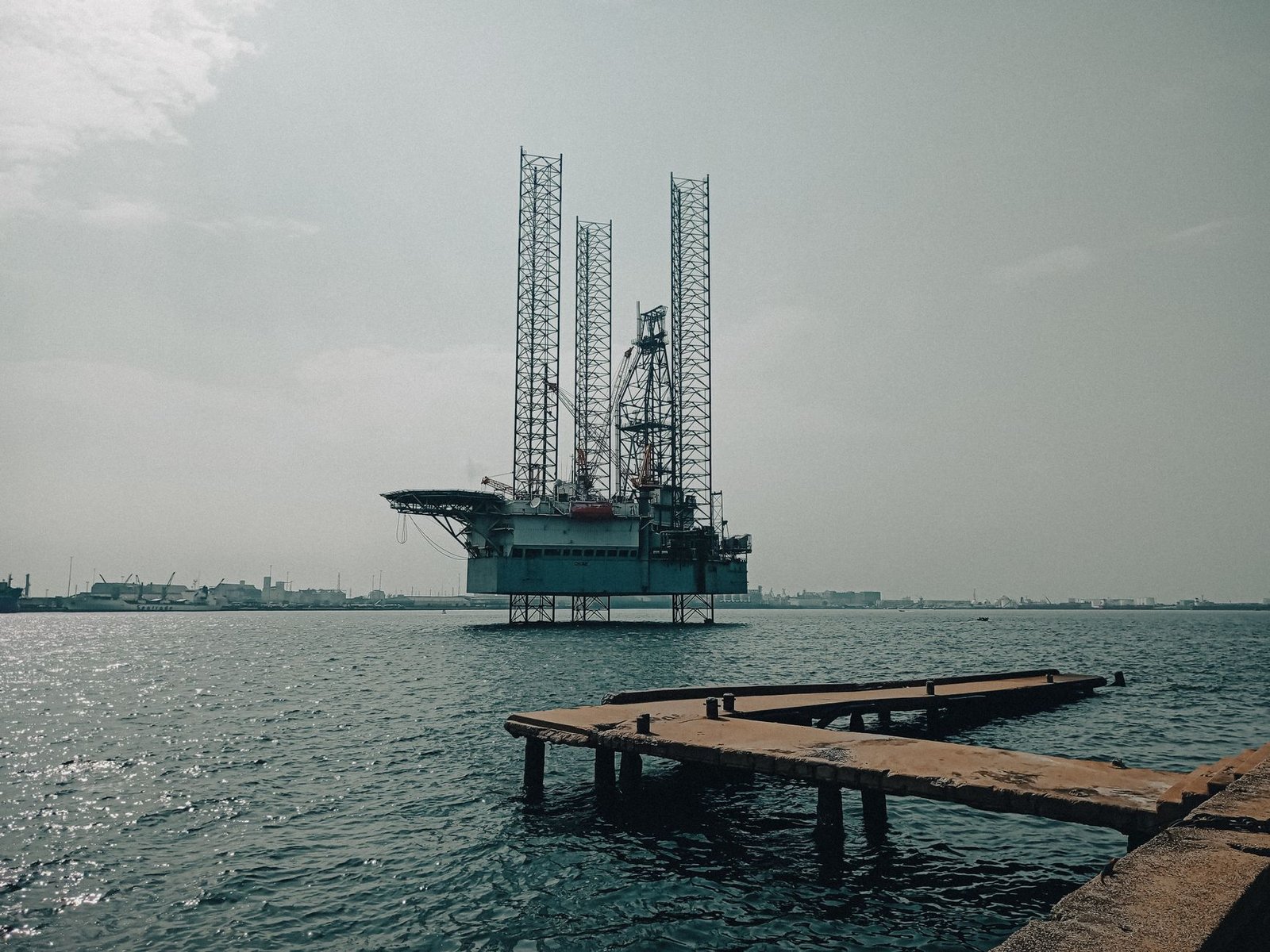
Shell’s strategic comeback to Gabon’s oil sector after a decade-long absence
Shell’s return to Gabon signals a pivotal moment for the country’s oil industry. A decade after withdrawing from the West African nation, the Anglo-Dutch energy giant is set to re-enter Gabon’s sedimentary basin, a move aligned with Libreville’s efforts to halt the persistent decline in hydrocarbon output. The decision, unveiled amid sweeping reforms following a political transition, underscores the authorities’ determination to reassure foreign investors of Gabon’s renewed appeal.
In 2016, Shell exited Gabon by divesting its onshore assets to Assala Energy, a company then controlled by Carlyle Group. Valued at hundreds of millions of dollars, the transaction reflected a broader global portfolio optimization strategy, with the company prioritizing more lucrative ventures—particularly in liquefied natural gas and deepwater projects. The withdrawal left a significant void, as Shell had been a longstanding operator in Gabon’s oil sector.
Political momentum behind Gabon’s oil sector revival
The major’s return coincides with the presidency of Brice Clotaire Oligui Nguema, who assumed office in August 2023 after a transitional period and was later confirmed by electoral results. Over recent months, Gabonese authorities have intensified efforts to revitalize the upstream sector. Key measures include revising the hydrocarbons code, relaunching licensing rounds, and engaging in bilateral talks with international energy players. The goal is to reverse a production decline that currently hovers around 200,000 barrels per day—a stark contrast to the late 1990s peak.
For Shell, the decision to re-enter Gabon is far from arbitrary. Having previously shed mature assets deemed non-strategic, the company is now reassessing its African strategy. Factors such as the scarcity of onshore discoveries, rising deepwater exploration costs, and the need for medium-term growth opportunities are reshaping the priorities of major oil firms. Gabon’s offshore basins, particularly those with deepwater potential and pre-salt formations, have regained prominence in this evolving landscape.
Reviving a declining industry in Gabon
Oil production remains Gabon’s primary foreign exchange earner, historically accounting for over 40% of budget revenues and nearly 80% of exports. However, the gradual depletion of mature fields, compounded by years of cautious investment, has strained this economic pillar. Authorities are banking on the return of major operators to bolster exploration efforts and extend the lifespan of existing fields.
Several international players have already signaled renewed interest in Gabon. The state-owned Gabon Oil Company (GOC) is strengthening its role in managing assets as contracts expire or undergo renegotiation. Shell’s potential comeback could unfold in collaboration with other established operators in Gabon, such as Perenco, TotalEnergies, or BW Energy, all of which have expanded their offshore holdings in recent years.
Uncertain yet promising contours of Shell’s return
Key details of the company’s redeployment remain unclear: the specific blocks targeted, the timeline for commitments, investment volumes, and the contractual framework. The choice between onshore and deepwater assets will shape the scale of the return. Deepwater involvement would require commitments in the hundreds of millions, while a focus on mature fields might involve a more conservative, production-optimization approach.
Beyond Shell’s case, Gabon’s new oil policy hinges on its ability to translate announcements into tangible investments. In a competitive regional landscape where Nigeria, Angola, Namibia, and Senegal vie for capital from major oil companies, Libreville’s success will determine the sector’s trajectory for the coming decade. The Anglo-Dutch giant’s return thus serves as a critical test for the country’s leadership.
