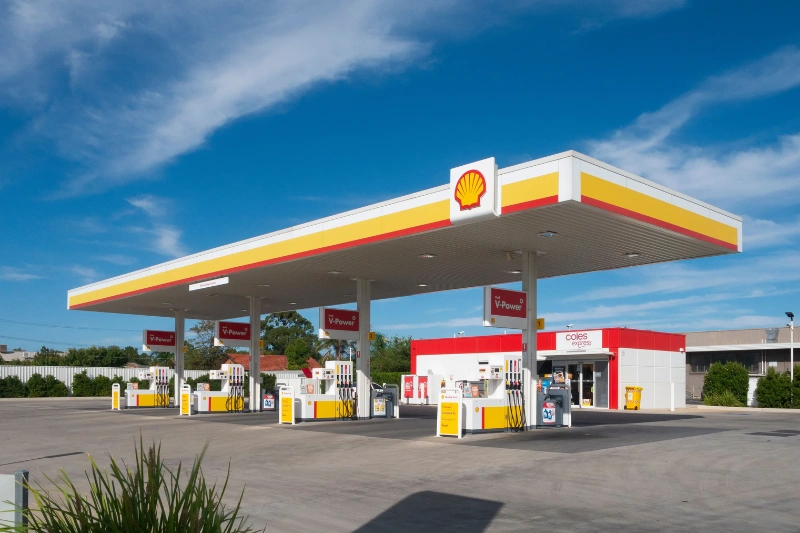
Shell’s Gabon return: promises and challenges ahead
Last Tuesday marked a significant development as Shell and Gabon’s Ministry of Petroleum inked a memorandum of understanding. Industry watchers see this as a strong endorsement of the country’s offshore oil potential, particularly in deep waters. The move comes shortly after ExxonMobil and BP also expressed interest in similar ventures, suggesting Gabon is regaining its appeal among major oil players. Yet, a closer look reveals why excitement should be tempered with caution.
This agreement is merely a preliminary arrangement, not a binding contract. A substantial journey lies ahead before any actual oil extraction and commercialization can occur. Shell retains the flexibility to reassess its involvement based on various factors—disappointing exploration results, fluctuating oil prices, or even the discovery of more lucrative opportunities elsewhere. This isn’t Shell’s first dance with Gabon; the company was previously present before exiting in 2017 and fully departing in 2019. Its return aligns with its own strategic priorities, not necessarily Gabon’s needs.
The Gabonese government holds a strategic advantage here, provided it negotiates shrewdly. Key questions loom large: What percentage of revenue will flow back to the state? How many local jobs and training programs will be created? And once the funds materialize, how will they be managed to foster long-term development rather than short-term spending? It’s worth noting that commercial production is still years away—likely between 2033 and 2036—following seismic surveys, appraisal drilling, and the reactivation of local supply chains. The real impact on employment and the economy won’t be felt for over a decade.
Gabon isn’t alone in this scenario. Neighboring countries like Angola and Nigeria have mastered the art of negotiating oil deals to maximize benefits. Cost recovery thresholds, profit-sharing mechanisms, and transparency measures have been meticulously crafted to ensure sustainable gains. The challenge for Gabon isn’t attracting Shell—it’s securing the right terms.
While regional peers are tightening their frameworks to convert offshore oil profits into tangible development, Gabon risks repeating past missteps with outdated negotiation tools. Shell, for its part, is well-versed in signing similar MoUs globally. The difference lies in what host countries ultimately demand—and Gabon’s ability to enforce those demands will determine whether this venture yields real progress.
