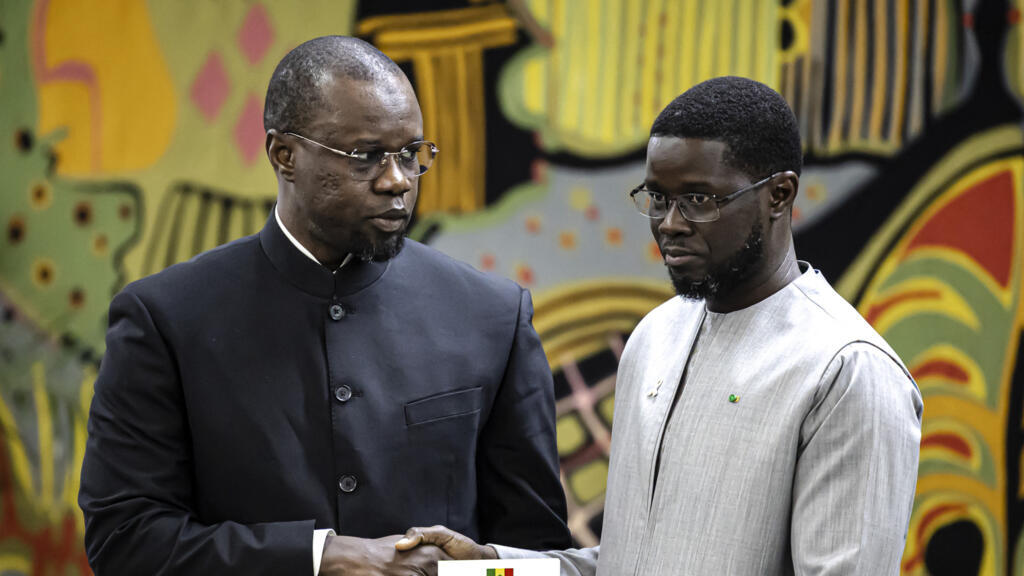
Senegal’s president Diomaye Faye launches nationwide consultations amid political reforms
Senegal’s new president, Bassirou Diomaye Faye, is shifting his predecessor’s annual dialogue tradition in favor of an extended series of nationwide consultations. Instead of the single-day event held every May 28 since 2016, Faye is organizing ten days of structured discussions with civil society organizations, political parties, religious leaders, and traditional authorities.
This strategic move is widely seen as a deliberate effort to project an image of openness and inclusivity. Maurice Soundieck Dione, a political science professor at Gaston Berger University in Saint-Louis, notes that the president is positioning consultative governance as a cornerstone of his leadership style. The initiative also aims to address growing criticism from opposition groups, particularly regarding the controversial adoption of the electoral law reform and the introduction of sweeping constitutional changes.
Prime Minister Sonko’s address to lawmakers
In a parallel development, Prime Minister Ousmane Sonko is set to address the National Assembly on May 22. While such sessions are part of the official parliamentary calendar, the timing of this address has sparked debate. Analyst Assane Samb suggests that a more coordinated approach between the two leaders could have avoided potential overlaps. However, political observers like Professor Dione argue that this apparent scheduling conflict reflects the current dynamic within Senegal’s executive branch, where both leaders are positioning themselves for influence and visibility in a delicate balance of power.
