Senegal’s political upheaval: president faye dismisses prime minister sonko
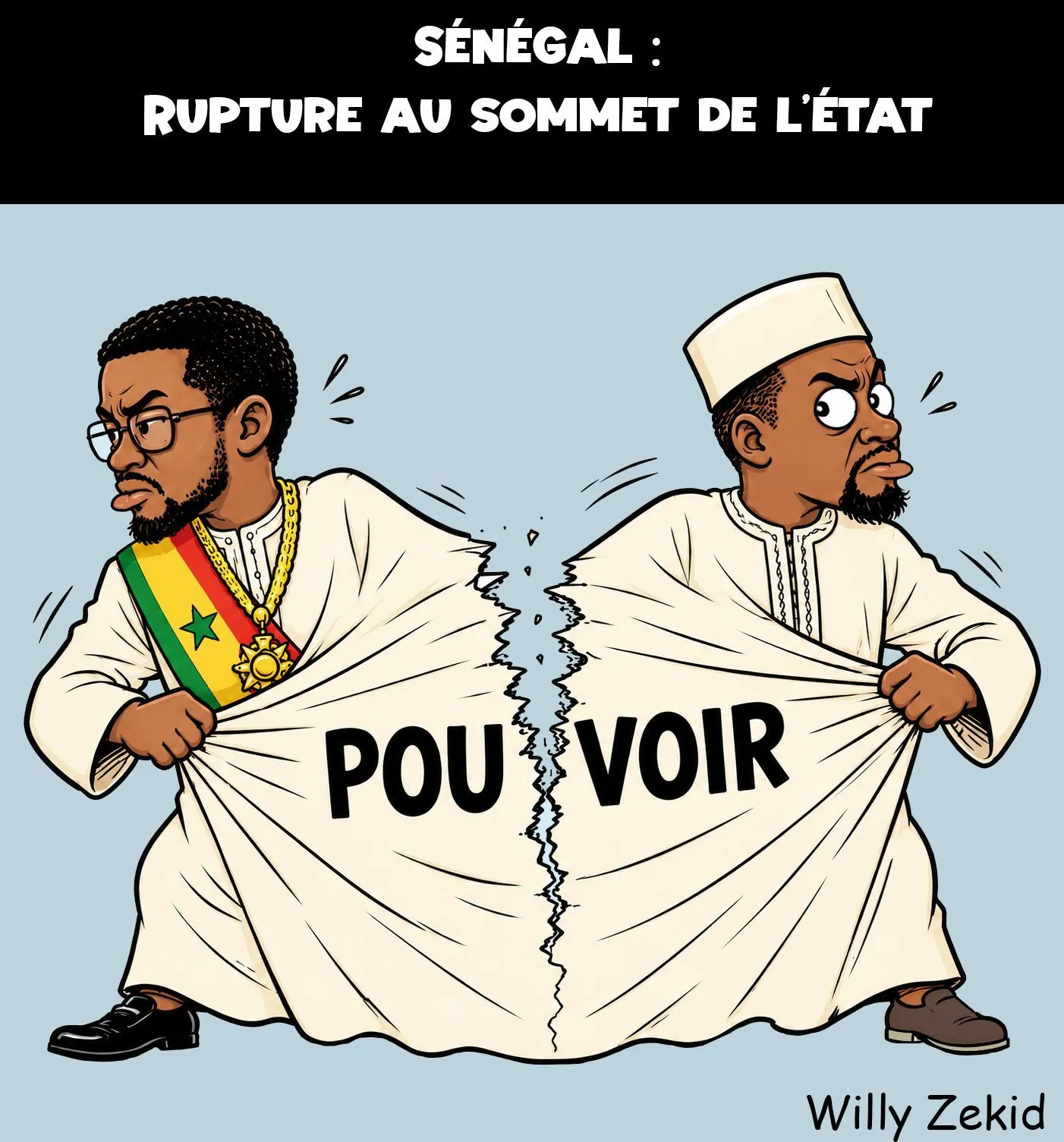
A significant political shift occurred in Senegal on May 22, 2026, as President Bassirou Diomaye Faye removed Prime Minister Ousmane Sonko from his post. This decisive action marked the end of the governing partnership between the two leaders, plunging the nation into a period of political instability and uncertainty, exacerbated by an underlying national debt crisis.
With
Mehdi Ba
Journalist
Vincent Foucher
Political scientist and research fellow
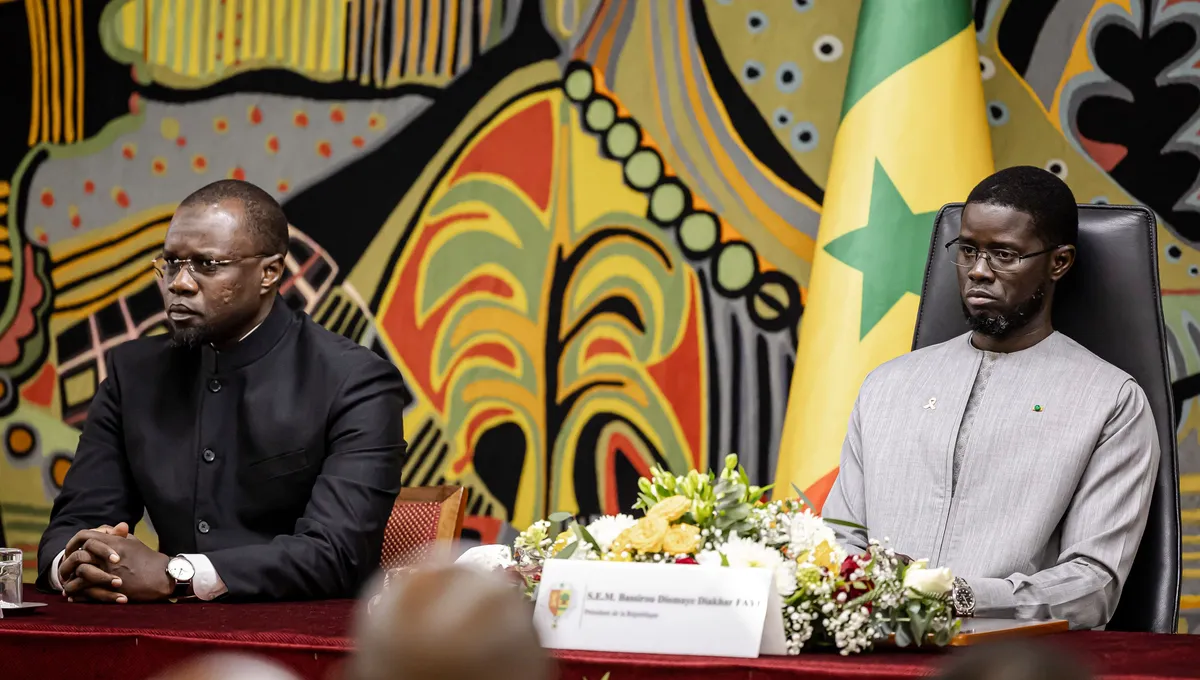
Just days following his dismissal by President Bassirou Diomaye Faye, Ousmane Sonko quickly resumed his role as a deputy and was subsequently elected President of the National Assembly. This dramatic split between the two figures, who had formed an unexpected leadership duo since April 2024, has propelled Senegal into a profound political and institutional crisis. Despite both Ousmane Sonko and Bassirou Diomaye Faye belonging to the Pastef party, internal disagreements and a simmering rivalry had been evident for months. Furthermore, the revelation of a “hidden debt” amounting to nearly 11 billion dollars shortly after they took office has intensified the country’s severe financial challenges.
Publicité
The question now looms whether this change in prime ministerial leadership will foster calm or, conversely, intensify existing tensions within the West African nation.
Analysts Mehdi Ba, a journalist, and Vincent Foucher, a political scientist and research fellow, have discussed the implications of these recent developments.