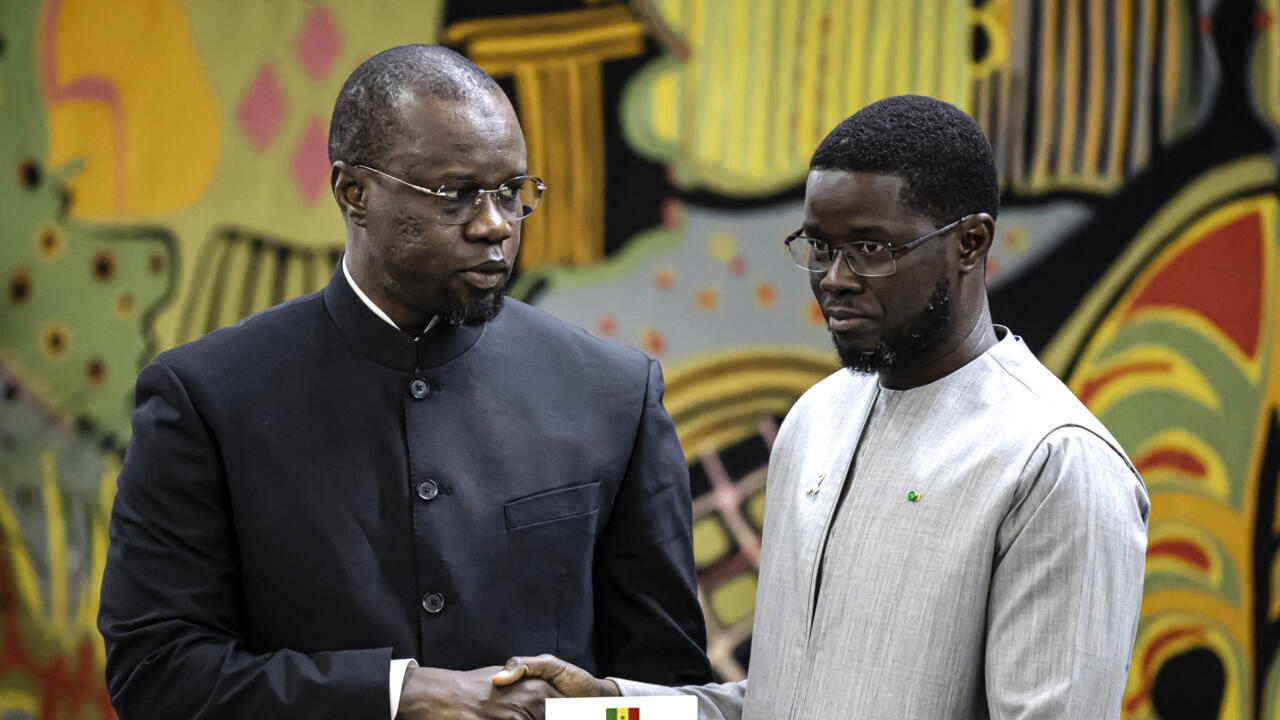
Senegal’s political shift: tensions rise between president and assembly leader
After just two years in office, the partnership between President Bassirou Diomaye Faye and former Prime Minister Ousmane Sonko has collapsed. The president has removed Sonko from his position, placing him instead at the helm of Senegal’s National Assembly. Sonko’s continued leadership of the Pastef party—now the dominant force in Parliament but excluded from government—has intensified the political divide.
How did this rift develop? Will the president and assembly leader manage to coexist amid these tensions? More critically, could these political conflicts overshadow the pressing issues facing everyday Senegalese?
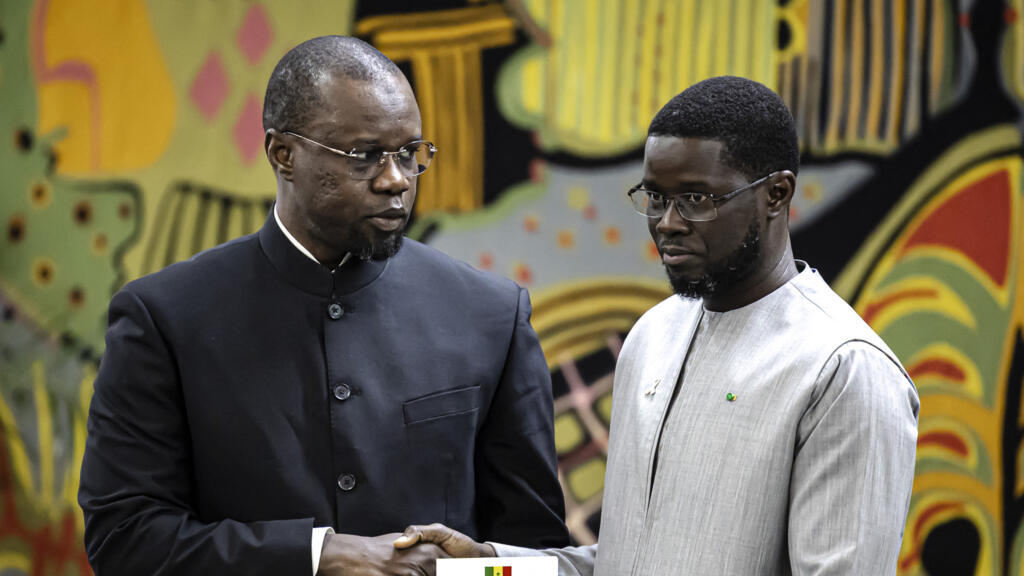
Panelists:
- Abdoulaye Tine, presidential advisor and spokesperson for the Republic of Senegal.
- Amadou Ba, former Minister of Culture, deputy, and national secretary in charge of Communication for the Pastef party.
- Babacar Ndiaye, political analyst and research director at the Wathi think tank.
Unraveling the political fracture
The decision to separate the roles of president and prime minister was not made lightly. President Bassirou Diomaye Faye’s move to replace Ousmane Sonko as Prime Minister reflects a broader strategy to realign governance under his vision. Sonko’s continued influence within the Pastef party, despite his exclusion from government, underscores the party’s deep roots in Senegal’s political landscape.
Analysts suggest that the rift stems from divergent priorities: while Sonko has championed populist reforms and anti-corruption measures, Faye appears focused on institutional stability and long-term policy implementation. This ideological divide has widened as both leaders navigate the complexities of shared governance.
Cohabitation in question
With Sonko now presiding over the National Assembly—a role traditionally aligned with the government—friction is inevitable. The Pastef party’s majority in Parliament grants it significant legislative power, yet its absence from the executive branch creates a power vacuum. The question remains: can these two leaders coexist without further destabilizing the country’s political balance?
The challenges ahead are substantial. Economic recovery, social welfare, and national security demand urgent attention. However, the current political tensions risk diverting focus from these priorities, leaving citizens to wonder if their leaders can prioritize nation-building over personal and party ambitions.
The road ahead for Senegal
Senegal stands at a crossroads. The outcome of this political standoff will shape the country’s trajectory for years to come. Will the leaders find common ground, or will the divide deepen, further complicating governance? The answers will determine whether Senegal can move forward with unity and purpose.
One thing is clear: the people of Senegal deserve leadership that addresses their needs without being overshadowed by political infighting. The coming months will be critical in defining the nation’s future.
