Senegal’s political landscape shifts as pastef declines government participation
Senegal’s political landscape shifts as Pastef declines government participation
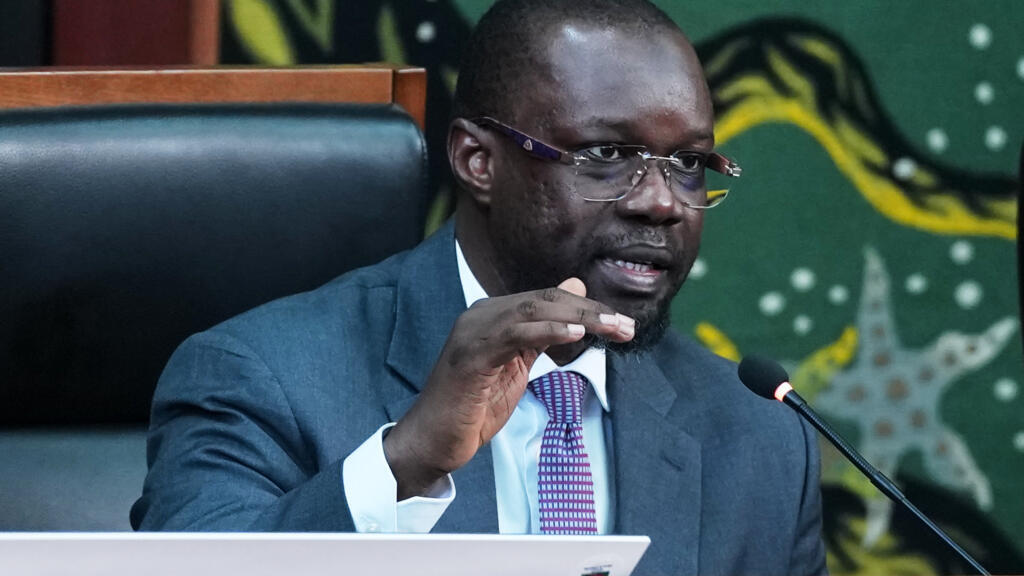
Senegalese President Bassirou Diomaye Faye unveiled his new government on Monday, June 1, notably without the involvement of his own political party, Pastef. The party, led by his long-time ally and former Prime Minister, Ousmane Sonko, cited “disagreement” over the composition of the ministerial list.
This cabinet announcement follows a period of escalating tensions, culminating in President Faye’s dismissal of Ousmane Sonko just twelve days prior. Sonko has since assumed the role of President of the National Assembly. Their separation marks a phase of political uncertainty for the West African nation, which is simultaneously grappling with a significant financial crisis.
Ahmadou Al Aminou Mohamed Lô, who succeeded Ousmane Sonko, revealed a list of 30 ministers on Monday. This new government notably excludes several prominent Pastef members who held positions in the previous administration.
Minutes before the official announcement, Pastef’s leader confirmed the party’s decision not to participate in the new government via a statement posted on social media. The communiqué detailed a lengthy discussion between the President of the Republic and the party leader, acknowledging some areas of agreement but emphasizing significant “points of disagreement.” These points primarily revolved around the majority’s role and influence within the executive framework.
The statement further clarified that “following a feedback meeting with party bodies, new proposals were submitted to the President of the Republic, which did not receive a favorable response.” Consequently, Pastef – Les Patriotes declared it “will not participate in the upcoming government and will not be represented by any minister.”
This political rift emerges as Senegal confronts substantial economic hurdles. The nation is dealing with financial difficulties stemming from an under-declaration of national debt by the previous government in 2024. The International Monetary Fund (IMF) subsequently suspended its $1.8 billion loan program to Senegal, pushing the country’s debt to an alarming 132% of its Gross Domestic Product by the close of 2024. The Minister of Finance indicated last month that Senegal intends to resume discussions with the IMF next week, with hopes of reaching an agreement on critical issues by June 30.
