Senegal’s political landscape reconfigures: a new stance on the IMF?
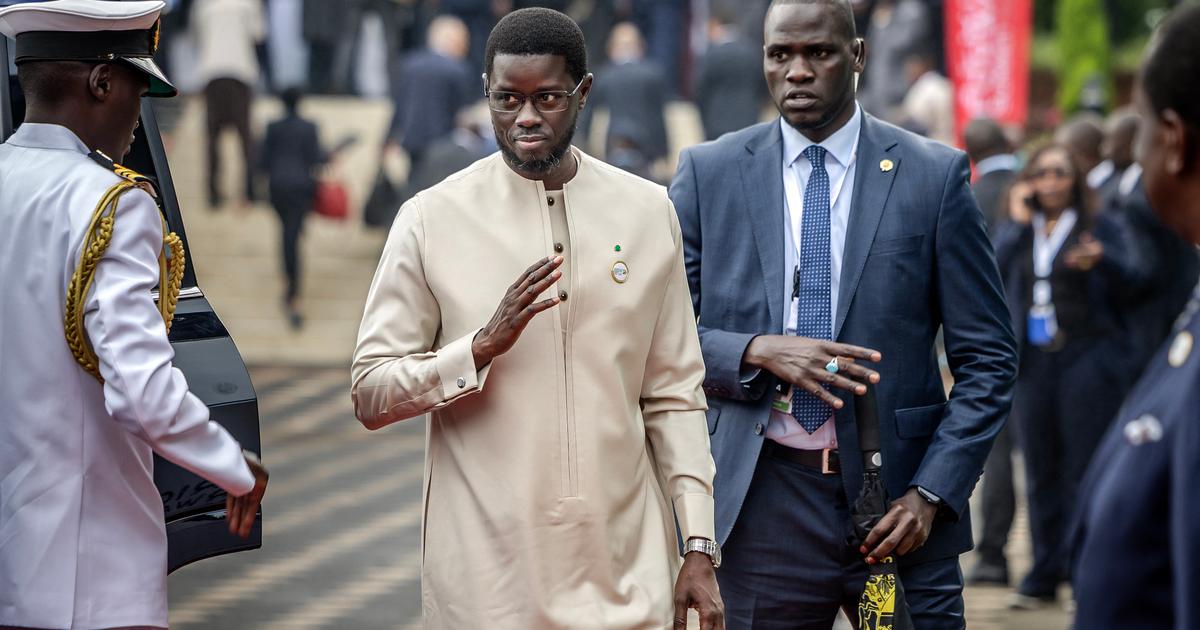
Senegal recently experienced an extraordinary period of institutional restructuring. From May 22nd, when President Bassirou Diomaye Faye dismissed Prime Minister Ousmane Sonko, to May 26th, which saw Sonko elected to lead the National Assembly, and including the appointment of Ahmadou Alhaminou Mohamed Lô as the new head of government on May 25th, the nation witnessed an exceptionally swift political transformation. This rapid sequence of events has clearly shifted the locus of power within the government.
The central question now is whether this reconfigured leadership can alter the approach to Senegal’s pressing financial and economic challenges. The country teeters on the brink of financial instability, with public debt soaring to 132% of its GDP. The cost of servicing this debt has become increasingly precarious, exacerbated by rising energy expenditures stemming from disruptions in the Strait of Hormuz. The economic situation continues to intensify.
Previously, the proposed economic restructuring by the International Monetary Fund (IMF) faced significant resistance, at a minimum, from the Pastef party (Patriotes africains du Sénégal pour le travail, l’éthique et la fraternité). However, the recent appointment of Ahmadou Alhaminou Mohamed Lô as Prime Minister suggests a potential re-evaluation of this stance, opening the door to a more receptive approach towards IMF recommendations.
