Senegal’s extractive sector shifts toward technical leadership
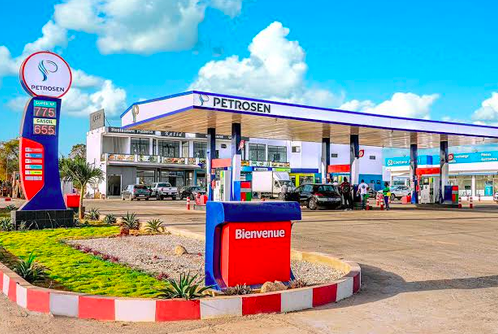
President Bassirou Diomaye Faye continues to reshape Senegal’s strategic economic institutions, marking a clear departure from political appointments toward technical expertise. The latest restructuring targets two key state-owned enterprises: Petrosen Holding and Somisen (Société des Mines du Sénégal), signaling a new era in the nation’s extractive sector governance.
Technical profiles take center stage in Petrosen and Somisen
Effective July 1, 2026, the leadership of Senegal’s critical extractive institutions underwent significant changes. At the helm of Petrosen Holding, former CEO Alioune Gueye made way for Thierno Seydou Ly, an engineer with extensive experience at TotalEnergies. Meanwhile, Ngagne Demba Touré stepped down from Somisen to be replaced by Mamady Touré, a geology engineer specializing in mining and geosciences.
The sudden nature of these changes caught many off guard. According to insiders, both outgoing leaders learned of their replacements through the media rather than official communication from the presidency. « The decision was inevitable, though its timing remained uncertain », revealed a government insider familiar with the matter.
End of political patronage in public enterprises
While the presidency has not issued an official statement explaining these moves, observers note they align with broader tensions between President Faye and National Assembly President Ousmane Sonko. Both outgoing executives had close ties to Sonko—Gueye as former coordinator of the Pastef party in the United States and Touré as former leader of the party’s youth wing. « Their loyalty to Sonko ultimately cost them their positions », commented a political analyst.
This transition contrasts sharply with the early days of Faye’s presidency in 2024, when Sonko enjoyed significant influence in staffing key government and public enterprise roles. The current restructuring appears to reflect a deliberate shift away from political appointments toward merit-based leadership.
Strategic move to reassure international investors
The president’s decision to prioritize technical expertise over political allegiance serves multiple objectives. First, it aims to restore confidence among foreign investors amid ongoing contract renegotiations left over from the previous administration. Second, it positions Senegal as a more stable and professionalized partner in the extractive industries.
Thierno Seydou Ly and Mamady Touré bring distinct advantages to their new roles. Ly’s background at TotalEnergies provides direct industry experience, while Touré’s expertise in geosciences and mining aligns perfectly with Somisen’s mandate. « Both new leaders demonstrate a less polarizing profile and a more diplomatic approach with international partners », noted a source close to the matter.
The president’s broader strategy suggests potential future changes in other state institutions. Waly Diouf Bodiang, director of the Autonomous Port of Dakar, and Fadilou Keïta, head of the Deposit and Consignment Fund (CDC), have both been identified as potential targets for similar restructuring due to their reported proximity to Sonko.
This leadership overhaul represents more than a routine administrative change—it signals a fundamental reorientation of Senegal’s extractive sector governance toward professionalization and international credibility.
