Senegal’s eFootball rise: from mobile screens to global aspirations
Across Senegal, a nation deeply passionate about traditional football, a new digital arena is captivating players: eFootball. This popular mobile game, developed by Japanese studio Konami, has surged in popularity throughout West Africa, especially in Senegal. More accessible than its console counterparts, mobile eFootball now dominates the gaming landscape, fostering highly organized teams in Dakar that are setting their sights on professional careers and championship titles. Many local players are rigorously preparing for the upcoming eFootball World Cup qualifiers.
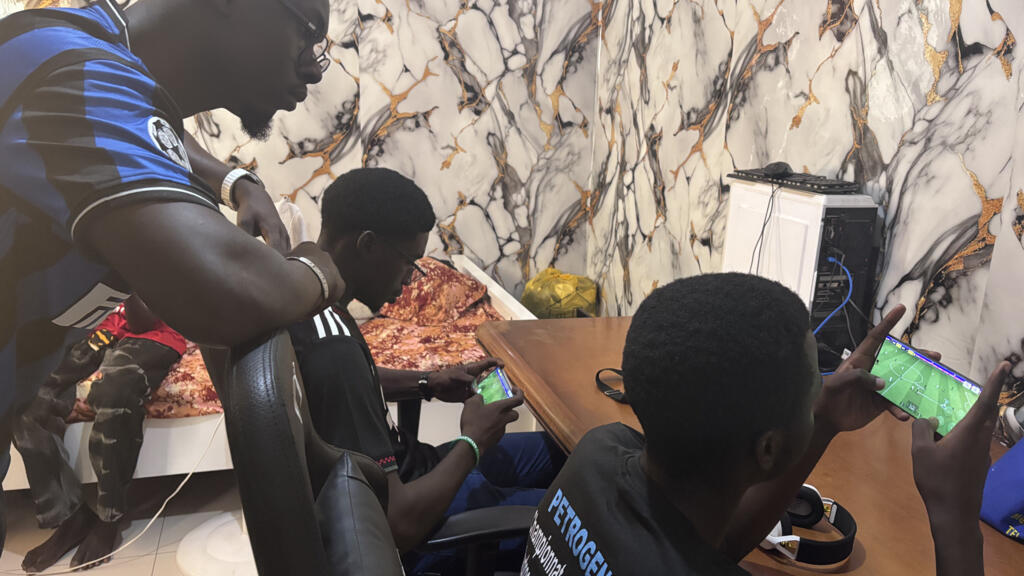
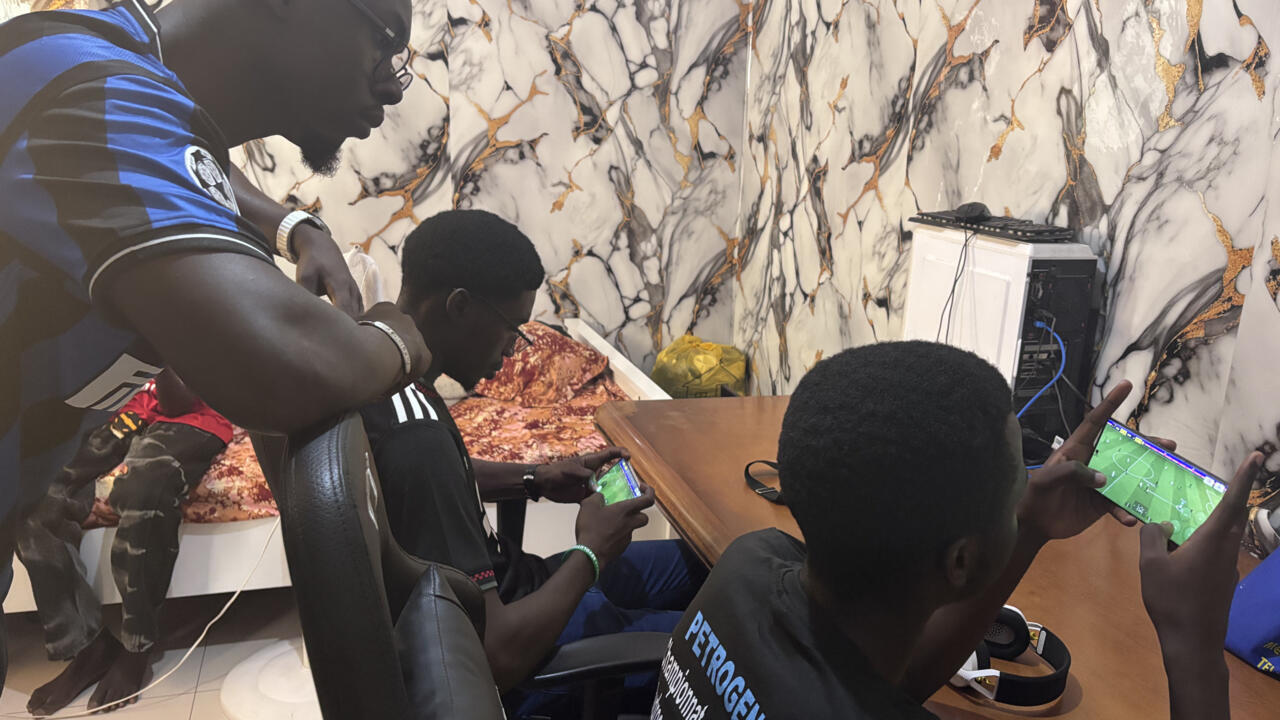
With phones clutched firmly in hand, players in Dakar exhibit intense focus. They are on the cusp of competing in the qualifiers for the eFootball World Cup, an event scheduled for November in Riyadh. Ibrahima Diop, widely known as Ibzo, the national team’s coach, delivers his final tactical instructions to the squad.
Ibzo has assembled Senegal’s most skilled players. Just this past March, his team achieved a significant milestone, ascending to the top position in the African rankings for the first time. The game’s free-to-play model has propelled its popularity far beyond that of traditional console games. Mohamed, a 17-year-old player nicknamed Medzo, traveled from Saint-Louis for these qualifiers. He shared his enthusiasm: “It’s simply enjoyable. There’s a real competitive spirit; you challenge others, saying, ‘You won’t beat me.’ It’s also incredibly easy to pick up. Plus, you don’t need an expensive phone. Unlike costly consoles, a basic phone with 3GB RAM is enough to play. Senegalese players are skilled, numerous, and exceptionally focused on the game.“
Medzo, like many others, harbors dreams of a professional e-sports career. Pape Mouhamed Saloum Sow, a law student, echoes this ambition: “I aspire to reach the highest level. I believe eFootball has become more than just a game. We started as strangers, but now we’re like a family.“
Navigating the challenges of the eFootball scene
Despite their talent, Senegalese eFootball players face several obstacles. One significant issue revolves around TikTok: the platform, which they use to share game analyses and tips, currently does not offer content monetization in Africa, a stark contrast to its availability in Europe or the United States. More critically, persistent connection problems put them at a disadvantage against international competitors. Ibzo elaborated on this frustration: “Here in Senegal, we constantly battle server issues. Africa has only one main server, located in South Africa. This creates significant latency. You attempt a pass, and it feels like two minutes before the action registers.“
To help formalize the sport, Ibzo established his own eFootball club. He also benefits from the support of the national electronic sports federation, Fesseda, which was founded two years ago. El Hadji Mansour Jacques Sagna, Fesseda’s president, explained their initiatives: “We have signed an agreement to implement what we call ‘e-navétanes’ – electronic versions of traditional local tournaments – which will enable a large number of young people to participate in organized competitions across the country.“
Furthermore, the federation announced plans to soon launch an e-sport analysis and performance center. This facility, to be located at the iconic Stade Léopold-Sédar-Senghor, will be dedicated to supporting the professional development of the discipline.
