Senegal’s debt crisis calls for smarter borrowing strategies
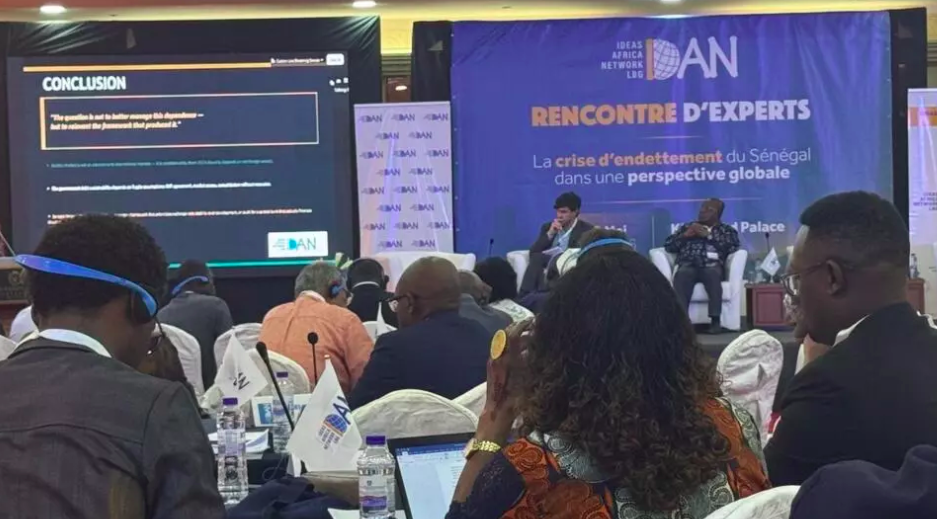
Economists gathered in Dakar have urged Senegal to rethink its debt management strategy, highlighting the need for a more diversified approach to financing. The call comes amid mounting concerns over the country’s soaring debt levels, which have raised alarms about long-term economic stability.
experts advocate for debt diversification amid rising concerns
Financial analysts and development economists convened in the Senegalese capital to address the nation’s escalating debt crisis. Their recommendations focus on two key pillars: a comprehensive debt audit and the exploration of alternative funding sources beyond traditional multilateral institutions.
With public debt reaching alarming thresholds, these experts argue that a shift in borrowing strategies could help Senegal reduce its financial vulnerability and regain fiscal autonomy.
audit demands and alternative financing explored
Among the most pressing proposals is the demand for a full-scale review of Senegal’s public debt. This audit would aim to uncover hidden financial obligations and assess the true extent of the country’s liabilities. Demba Moussa Dembélé, president of the African Research and Cooperation for Endogenous Development, emphasized the need to break free from what he describes as a ‘neocolonial financial system.’
‘We must seek partners who respect state sovereignty,’ Dembélé stated, pointing to China as an example of a nation that has successfully navigated debt challenges while maintaining economic independence. His organization advocates for development models rooted in local knowledge and self-reliance.
bilateral partnerships and innovative debt solutions
Ali Zafar, an economic advisor at the United Nations Development Programme (UNDP), suggested that Senegal follow the example of countries like Turkey, which has expanded its creditor network by engaging with new partners such as Saudi Arabia. ‘The International Monetary Fund (IMF) is not the only source of funding,’ Zafar noted, encouraging bilateral negotiations with nations like China to leverage their debt management expertise.
He urged Senegal to enter IMF negotiations with strong counterproposals, particularly to safeguard social sectors such as education and healthcare. ‘Allocating all revenue to debt repayment is unsustainable,’ he argued, adding that countries must resist IMF-imposed conditions that prioritize creditors over domestic needs.
Zafar also proposed the creation of an independent central bank as a strategic move to regain control over monetary policy and reduce reliance on external financial institutions. ‘No Asian nation would tolerate the situation Senegal faces today,’ he asserted, advocating for sovereign solutions to escape the debt trap.
ongoing negotiations and future outlook
Senegal’s debt restructuring talks with the IMF remain active, with officials from the Ministry of Finance and Budget recently meeting with IMF leadership in Washington. The government has acknowledged discovering undisclosed financial commitments made by previous administrations between 2019 and 2024, though former President Macky Sall has denied these claims. These hidden obligations have contributed to Senegal’s debt-to-GDP ratio climbing to 132%, raising serious questions about transparency and fiscal responsibility.
