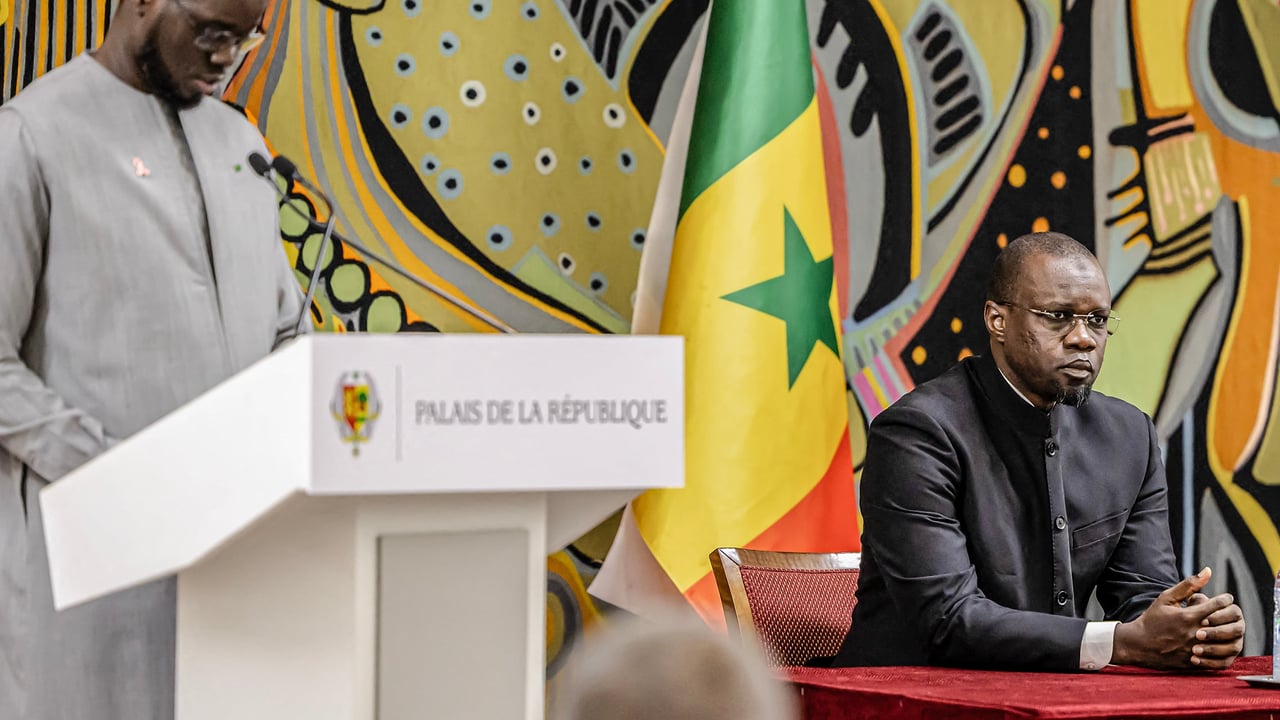
Senegal’s constitutional reform: how Ousmane Sonko stands to gain

Why Senegal’s constitutional shake-up could reshape power dynamics
When President Bassirou Diomaye Faye addressed journalists on National Day last April, his words carried more weight than a ceremonial speech. «I want strong CEOs, powerful ministers, and a super-strong Prime Minister,» he declared. «I don’t want to be the kind of president who holds all the power.» These remarks signaled a clear intention: Senegal is on the brink of a constitutional overhaul that could significantly alter the balance of power within its government.
But who stands to benefit most from this sweeping reform? Political analysts and insiders point to a single name: opposition leader Ousmane Sonko. His party, Pastef, has been gaining ground, and the proposed changes could hand him a strategic advantage in the country’s evolving political landscape.
Breaking down the proposed constitutional changes
While the full details of the reform remain under discussion, several key elements have already sparked debate:
- Decentralization of executive power: The reforms aim to redistribute authority from the presidency to other branches, including a more autonomous Prime Minister’s office and strengthened cabinet roles. This shift could dilute the concentration of power that has defined Senegal’s presidency for decades.
- Enhanced checks and balances: New provisions are expected to reinforce the separation of powers, giving parliament and the judiciary greater oversight over executive decisions—a move seen as a safeguard against potential abuses.
- Term limits and eligibility rules: Though not yet confirmed, discussions hint at adjustments to presidential term limits and eligibility criteria, which could open or close doors for future candidates.
For Ousmane Sonko, these changes could be a game-changer. A weakened presidency might level the playing field, allowing opposition figures like him to challenge the ruling party more effectively. His growing influence—fueled by grassroots support and a reputation as a reformist voice—positions him as a prime beneficiary of a more distributed power structure.
Sonko’s political rise and the reform’s timing
Ousmane Sonko’s trajectory in Senegalese politics has been nothing short of meteoric. Once a marginalized figure, he has transformed into a central player, thanks to his anti-corruption platform and his ability to mobilize young voters. His party, Pastef, secured a historic victory in the 2024 legislative elections, further cementing his influence.
The timing of the constitutional reform is no coincidence. With President Faye’s administration still in its early stages, the window for structural change is wide open. If implemented, these reforms could institutionalize a new political order—one where Sonko’s party, with its strong parliamentary presence, stands to gain the most.
The risks and reactions surrounding the reform
Not everyone is enthusiastic about the proposed changes. Critics argue that decentralizing power could lead to inefficiency, with competing agendas between the presidency and the Prime Minister creating gridlock. Others warn that the reforms might be a tactical move by the ruling party to consolidate control under a different guise.
Meanwhile, Sonko’s supporters view the reform as a long-overdue correction to Senegal’s political system. They argue that a more balanced distribution of power would curb executive overreach and pave the way for genuine democratic renewal. For them, Sonko is not just a beneficiary—he’s a symbol of the change the reform seeks to achieve.
What’s next for Senegal’s political future?
As the constitutional debate intensifies, all eyes are on Senegal’s National Assembly, where the final shape of the reforms will be decided. The coming months will reveal whether this overhaul strengthens democracy or merely reshuffles the deck in favor of a new set of power players.
One thing is certain: Ousmane Sonko’s political future is inextricably linked to these changes. Whether the reforms empower him or leave him sidelined will depend on how the new system takes shape—and how skillfully he navigates it.
