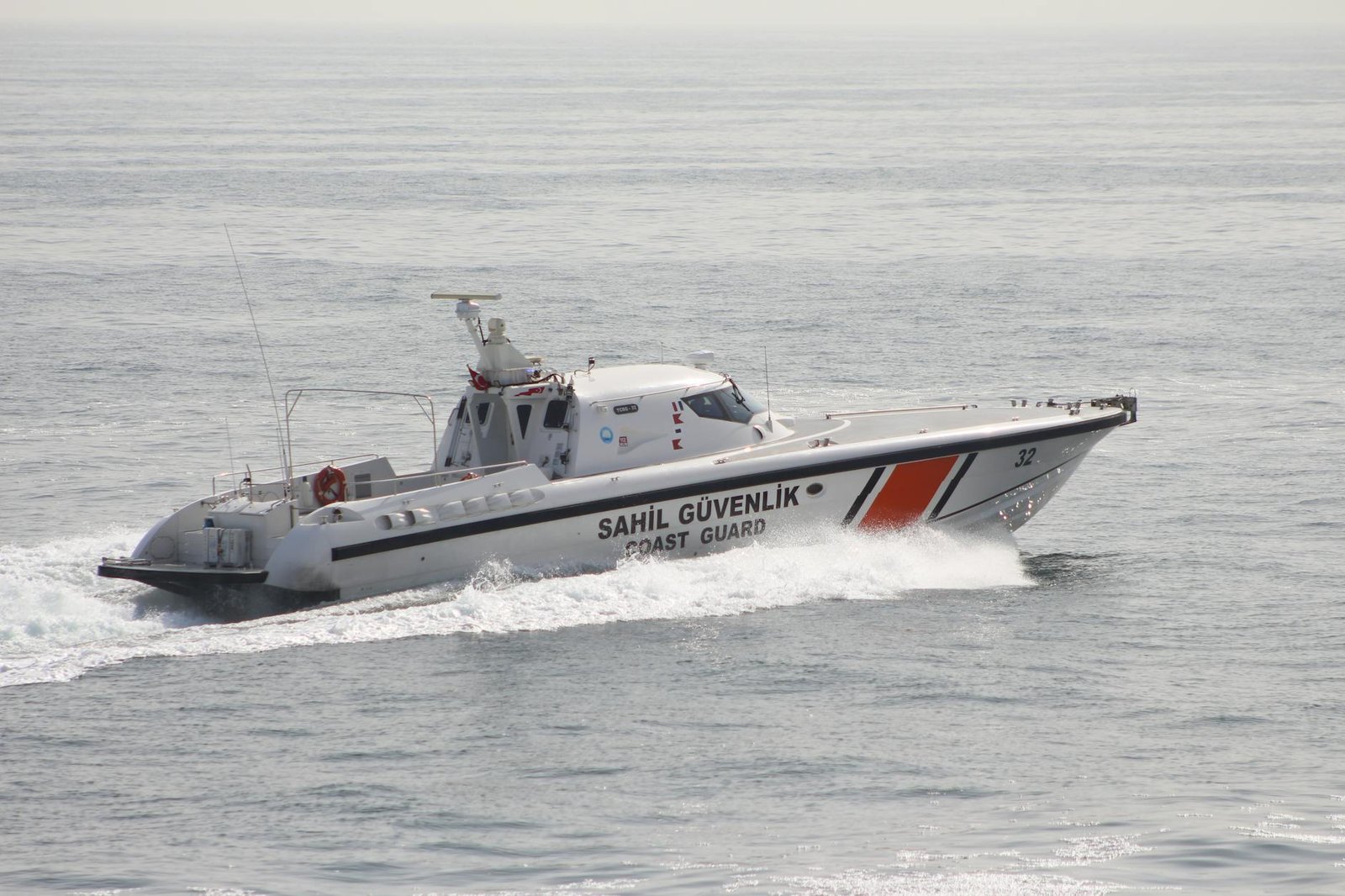
Senegal’s coastal security shifts to Turkey amid western partnerships review
Senegal’s maritime security landscape is undergoing a strategic transformation. Following the 2024 withdrawal of French military forces from its soil, Dakar has chosen Turkey as a key partner for coastal surveillance. This shift, championed by President Bassirou Diomaye Faye and Prime Minister Ousmane Sonko, marks a deliberate move away from traditional Western alliances and raises critical questions about the nature of sovereignty in West Africa.
Dakar embraces a bold diplomatic realignment
The transition became official after President Faye’s administration took office in April 2024. The decision to terminate French military presence—completed in mid-2025—fulfilled a campaign promise to break free from post-colonial cooperation norms. The presence of French troops, once part of the French Elements in Senegal (EFS), had become politically unsustainable for a government elected on a platform of full sovereignty.
Yet, the void left by Paris was quickly filled. Ankara, through its expanding African strategy, has positioned itself as a proactive alternative. Turkey now offers Dakar comprehensive maritime surveillance support—a sector vital to Senegal’s economic and security interests, given its 158,000 square-kilometer exclusive economic zone, rich in fisheries, energy, and migration hotspots.
Why Turkey is becoming the new security partner in West Africa
Turkey’s approach is strategic. Through defense conglomerates like Baykar, ASELSAN, and ARES Shipyard, Ankara has built a reputation for combining technology transfer, crew training, and operational support. Its Bayraktar TB2 drones, now deployed across over 30 countries, exemplify this model. For Senegal, the Turkish offer likely includes patrol vessels, radar systems, and training programs for naval personnel.
This move aligns with a broader regional trend. The Gulf of Guinea remains one of the world’s most volatile maritime zones, plagued by piracy, illegal fishing, and transnational crime. Estimates suggest that illegal, unreported, and unregulated (IUU) fishing costs West Africa billions annually. For Senegal, securing its coastline is not just about sovereignty—it’s about protecting a vital economic lifeline.
Is this a step toward real sovereignty—or just a shift in influence?
The implications extend beyond swapping one partner for another. Analysts warn that relying on Turkish defense systems introduces new dependencies—logistical, technical, and operational. The case of Libya, where Ankara’s military support led to long-term influence, looms large in policy debates.
Still, diversification can be a tool for greater autonomy. Unlike France, Turkey has no colonial legacy in Africa and does not impose explicit political conditions on arms sales. This narrative resonates strongly with the current Senegalese leadership, which frames the shift as a reclaiming of agency.
The true test will come from three key outcomes: the operational readiness of the new security setup, the level of autonomy granted to Senegalese naval forces, and the transparency of contracts with Turkish firms. Until then, the shift may amount to little more than a change in diplomatic orbit. Final agreements between Dakar and Ankara, expected in the coming months, will reveal the depth of this new partnership.
