
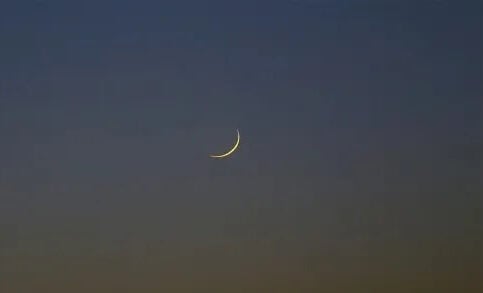
Senegal confirms Tabaski date after lunar crescent remains unseen
The anticipated sighting of the lunar crescent marking the start of Dhul Hijjah 1447 did not materialize in Senegal yesterday, prompting an adjustment in the religious calendar. Authorities have now officially declared that Tabaski will be celebrated on Thursday, May 28, 2026, following established local observation protocols.
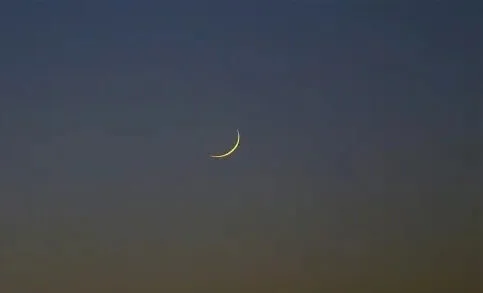
The confirmation comes after the National Observatory of the Crescent Moon (CONACOC) concluded that the new moon remained invisible across the country’s skies on the designated evening. This delay in observation has set Tabaski observance one day later than in some neighboring Muslim-majority nations, where the crescent was reportedly spotted.
For Senegal’s faithful, the Day of Arafat will now fall on Wednesday, May 27, 2026, preceding the main Tabaski festivities. The discrepancy underscores the ongoing reliance on traditional lunar observation methods, which vary between communities and countries despite modern astronomical calculations.
Regional differences in Tabaski celebrations
The decision reflects Senegal’s adherence to local religious customs, which prioritize direct sightings of the lunar crescent over pre-determined astronomical predictions. While some West African nations have already finalized their dates based on global lunar calculations, Senegal’s approach ensures alignment with the Ummah’s traditional practices.
This year’s timeline highlights how religious calendars continue to bridge celestial science and cultural tradition, even as technology advances. Communities across the region are now preparing for the upcoming festivities, with markets bustling with preparations for the holiday.