
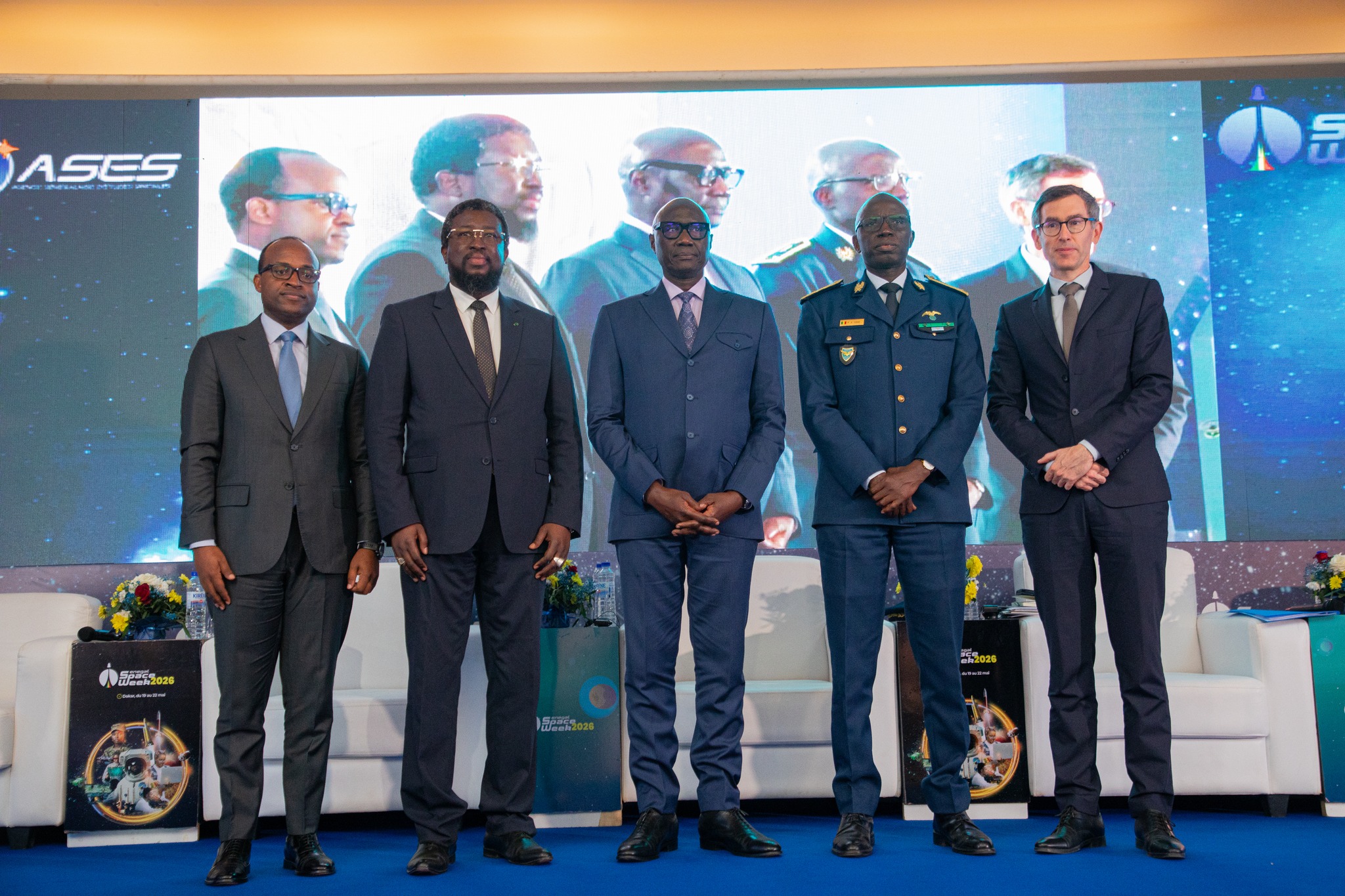
Dakar is stepping up its ambitions in the global race for strategic technologies, with the second edition of Senegal Space Week serving as a clear statement of intent. Organized under the High Patronage of President Bassirou Diomaye Faye, the event highlights the nation’s commitment to becoming a leading African hub for space technology, data science, and artificial intelligence.
The three-day international gathering, orchestrated by the Agence Sénégalaise d’Études Spatiales (ASES), arrives at a pivotal moment when states worldwide are prioritizing space-based infrastructure, geointelligence, and digital sovereignty. Following a successful inaugural edition in 2025, this year’s edition sharpens its focus on security, defense, and territorial governance under the theme: “Space for Security and Defense: Geointelligence Applications for National Safeguarding.”
geopolitical stakes: space as a new frontier of power
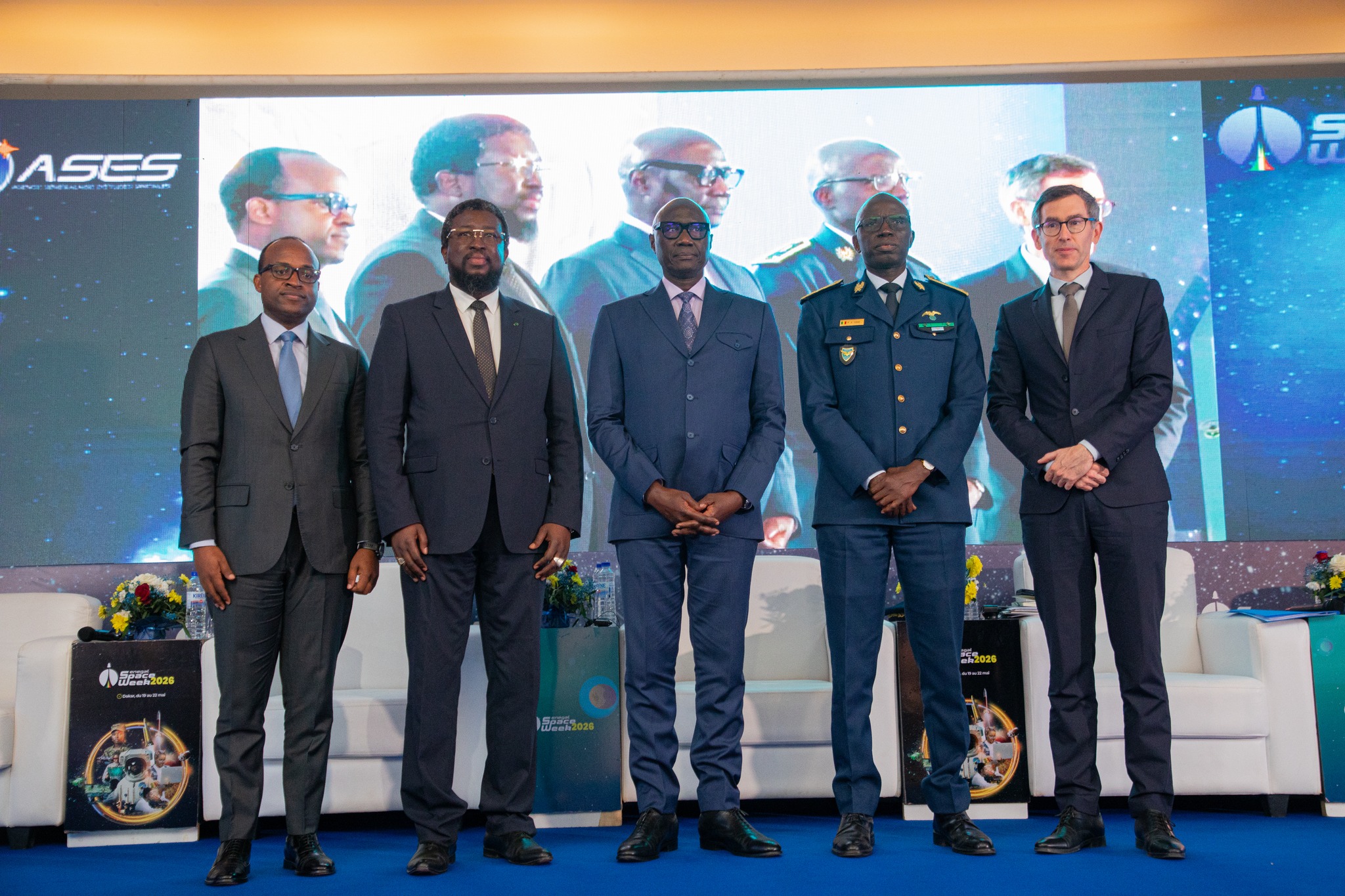
In a keynote address that underscored the shifting dynamics of global influence, Minister of Armed Forces Biram Diop framed space capabilities not as optional extras but as essential pillars of national sovereignty. He emphasized their critical role in border surveillance, cybersecurity, maritime safety, counterterrorism, and disaster risk reduction.
“Mastery of space assets is no longer a luxury—it is a strategic imperative. Those who control the skies today shape the security landscape of tomorrow.”
geointelligence: the backbone of Senegal’s tech strategy
Maram Kaïré, Director General of ASES, outlined a vision where satellites, AI, and geographic information systems converge to enhance public decision-making. “By integrating geointelligence into national security frameworks, Senegal can anticipate threats, streamline resource allocation, and respond with precision,” he explained.
The ASES has already begun collaborating with Senegal’s defense and security forces to deploy geospatial analytics across critical sectors, including coastal monitoring and urban planning.
building the infrastructure for a space-powered future
Senegal is not merely theorizing about space leadership—it is constructing the foundations. Among the flagship projects announced:
- Khombole Observatory: The nation’s first dedicated astronomy and astrophysics facility, groundbreaking in November, will enable cutting-edge research and satellite tracking.
- Satellite Data Hubs: New ground stations are being established to receive and process high-resolution imagery in real time.
- High-Performance Computing: A dedicated AI cluster will accelerate data crunching for predictive analytics.
- Innovation Ecosystems: Incubators and assembly labs for microsatellites are in development to nurture homegrown talent and reduce reliance on foreign providers.
These initiatives aim to cultivate a domestic industry that spans research, engineering, and manufacturing—ensuring long-term economic and technological autonomy.
diplomatic momentum: asserting Senegal’s voice in global space governance
Through active participation in international forums and bilateral agreements, ASES is positioning Senegal as a credible actor in global space diplomacy. The agency’s partnerships span space agencies, research institutions, and multilateral bodies, facilitating technology transfers and joint ventures.
“Our goal is to transform Senegal from a participant into a partner that shapes the rules of the space economy,” Kaïré noted.
empowering the next generation of african innovators
The final pillar of Senegal’s strategy is human capital. From university curricula in aerospace engineering to coding bootcamps for youth, the country is investing heavily in STEM education. Initiatives include:
- Expanding engineering programs at Université Cheikh Anta Diop and École Polytechnique de Thiès.
- Launching nationwide campaigns to demystify space science in schools and communities.
- Offering scholarships and mentorship to young African engineers and data scientists.
“A nation’s space program rises or falls on the strength of its human capital. There is no shortcut to leadership in the cosmos.”
As the second edition of Senegal Space Week concludes, one thing is certain: Dakar is no longer just observing the space age—it is building it. By 2030, the country aims to have a fully operational national space ecosystem, with applications spanning agriculture, health, climate monitoring, and defense. In doing so, Senegal is not only securing its own future but also redefining Africa’s role in the global technological order.