
- Featured
- Politics
Senegal politics: Diémé counters Sonko’s victimization claims, backs President Faye
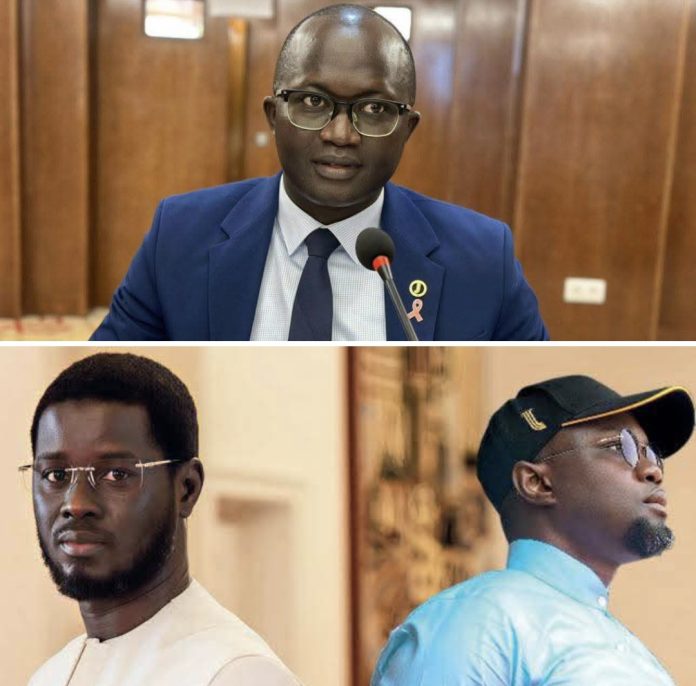
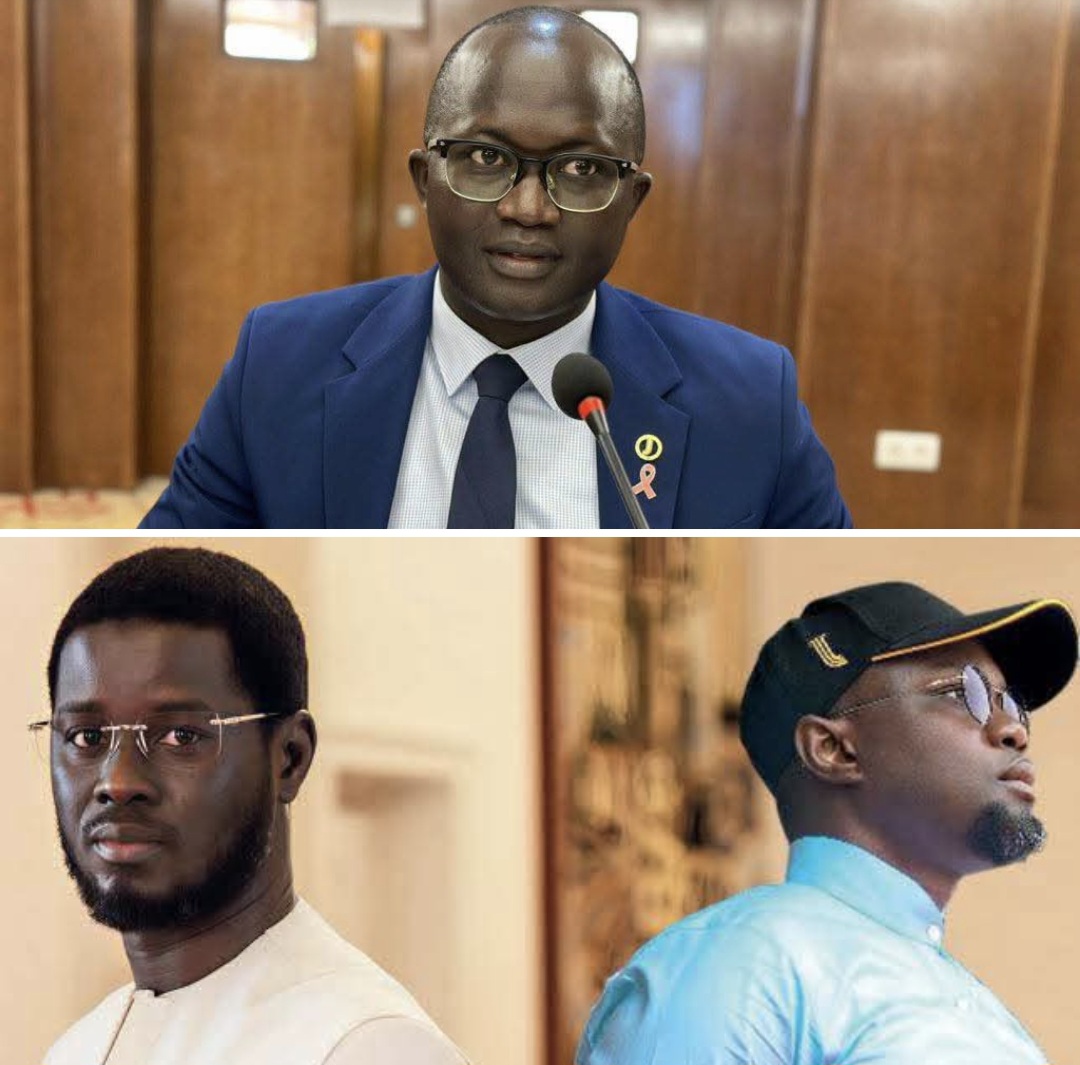
In a candid interview, government minister Yankhoba Diémé has directly addressed the escalating political tensions between President Bassirou Diomaye Faye and former Prime Minister Ousmane Sonko. The minister accused Sonko of orchestrating a deliberate campaign of ‘self-victimization’ designed to shift public perception and undermine the credibility of the head of state.
Diémé framed Sonko’s strategy as a calculated attempt to invert reality, arguing that the former premier’s persistent claims of persecution are obscuring his own controversial decisions while portraying him as the wronged party. ‘This narcissistic posture, compounded by repeated missteps, ultimately seeks to recast the victim as the aggressor,’ Diémé stated, emphasizing that such tactics risk destabilizing public trust in the administration.
Indemnification delays: Diémé clears the President
Turning to the sensitive issue of delayed compensation for former detainees, the minister firmly rejected accusations implicating President Faye in the administrative delays. ‘Any suggestion that the President is responsible for these delays is entirely unfounded,’ he asserted. ‘The Head of State issued clear directives during a Council of Ministers meeting, instructing both the Prime Minister and the Minister for Family Affairs to expedite the process.’
Diémé also addressed the controversy surrounding Ousmane Sonko’s reported donation of his four-million-franc salary to victims. While acknowledging the gesture, he cautioned against allowing it to overshadow the government’s broader obligations. ‘Donations, however generous, do not absolve the State of its responsibilities,’ he remarked.
The Primature’s political funds under scrutiny
Highlighting what he described as a glaring administrative oversight, Diémé revealed that the Prime Minister’s office held 1.77 billion francs CFA in political funds—an amount he argued could have been deployed to resolve the indemnification backlog. ‘If these funds had been used appropriately, countless victims would already have received their compensation,’ he explained, citing financial simulations to underscore his point.
Constitutional reform: a betrayal of dialogue
On the recent constitutional amendments, Diémé condemned what he termed a ‘legislative deception,’ accusing certain political actors of distorting the spirit of the national dialogue initiated by President Faye. ‘The President called for unity and constructive debate, yet what unfolded was a blatant perversion of that process,’ he charged.
Macky Sall’s presence in Senegal: a matter of legal compliance
Addressing concerns over the former President’s continued presence in the country, Diémé defended the government’s approach. ‘The President is acting strictly within the bounds of the law,’ he stated. ‘Macky Sall enjoys no special privileges, nor is he subject to any judicial proceedings. His freedom of movement is a reflection of the legal framework governing former heads of state.’
Diémé reminded critics that Senegalese law stipulates that only members of parliament may initiate high-treason proceedings against a former president. ‘Accusing individuals without evidence and then positioning oneself as a champion of justice is both reckless and hypocritical,’ he warned. He concluded by affirming that if Macky Sall provides the necessary clarifications on outstanding issues, there is no impediment to a respectful, republic-minded exchange with President Faye.