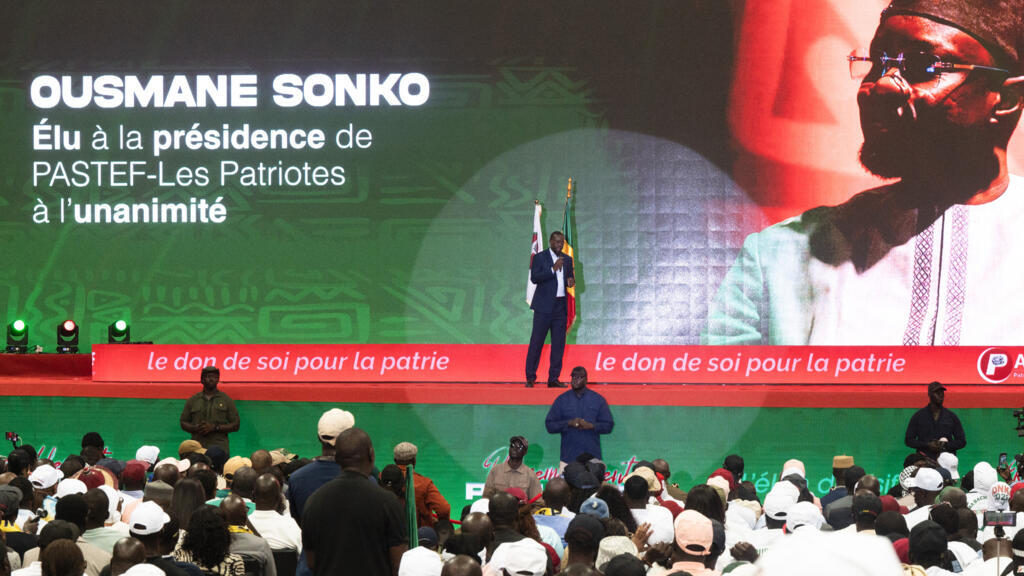
Senegal political tension: Sonko seeks calm amid leadership divide
Senegal political tension: Sonko seeks calm amid leadership divide
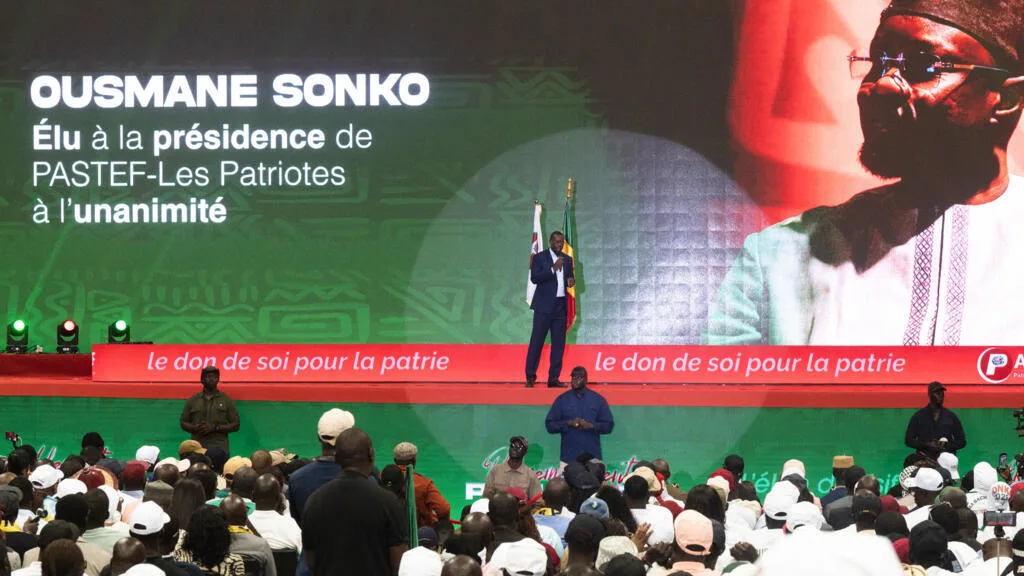
Our correspondent in Dakar reports
Could the new government face a vote of no confidence? No general policy statement is currently scheduled. While not mandatory, such a statement is traditionally made when the Prime Minister seeks parliamentary confidence—or when deputies initiate a motion with at least one-tenth of the assembly’s support. Ousmane Sonko struck a reassuring tone on Sunday regarding the broader political climate.
“There is no institutional crisis in Senegal. This new political arrangement is not unprecedented—it has occurred elsewhere without fanfare. The Senegalese people have entrusted the executive to one leader and the legislature to another, or to a different group. Admittedly, there are misunderstandings between individuals or political factions. Yet today, neither the Senegalese state, its institutions, its security, nor its stability are at risk,” he stated.
Despite the official split between political allies, Sonko’s remarks sought to ease concerns. Political analyst Moussa Diaw foresees no direct confrontation: “Politically, this benefits neither side—especially not Sonko, who risks being seen as obstructionist. I believe they will avoid a showdown and instead collaborate while respecting each other’s mandates.”
Diaw highlighted potential friction points, including negotiations with the IMF over debt management and ongoing judicial reviews into fatalities from political unrest. Domestically, unresolved issues such as the status of dissident ministers and the role of Bassirou Diomaye Faye—still honorary party president—are expected to be addressed by the party’s political bureau. Sonko also emphasized that local elections scheduled for January 2027 will proceed as planned, marking the next major test for the Pastef party—though no formal decree has yet been issued to confirm the date.
