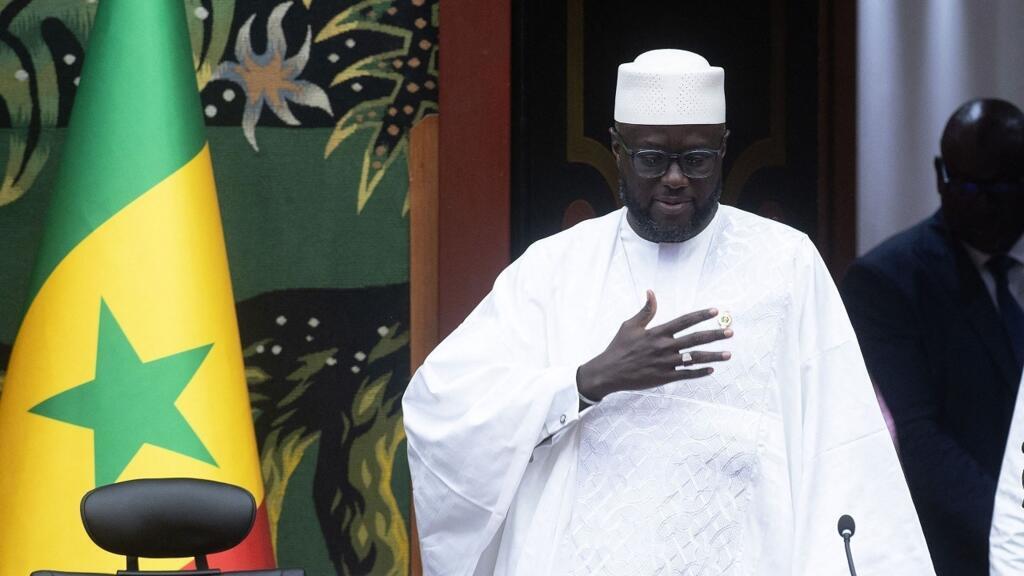
Senegal political shakeup as assembly president malick ndiaye steps down
The political landscape in Senegal has been shaken by an unexpected development: Malick Ndiaye, President of the National Assembly, announced his resignation today, marking a significant shift in the country’s legislative dynamics.
In a carefully crafted statement shared on social media, Ndiaye explained his decision with a tone of solemn reflection. “After deep, quiet contemplation and guided by my commitment to duty and national responsibility, I have chosen to step down from my position as President of the National Assembly of Senegal. This decision stems from my unwavering belief in the integrity of institutions and the paramount importance of serving the higher interests of our nation,” he stated. The announcement underscored his close ties to Ousmane Sonko, a prominent figure in Senegalese politics.
The timing of Ndiaye’s resignation is striking—it comes just 48 hours after a dramatic political rupture between Bassirou Diomaye Faye and Sonko. On the evening of May 22, the President of the Republic relieved the Prime Minister of his duties, citing irreconcilable differences. This decision led to the dismissal of the entire government, leaving many to question the future direction of the country’s leadership.
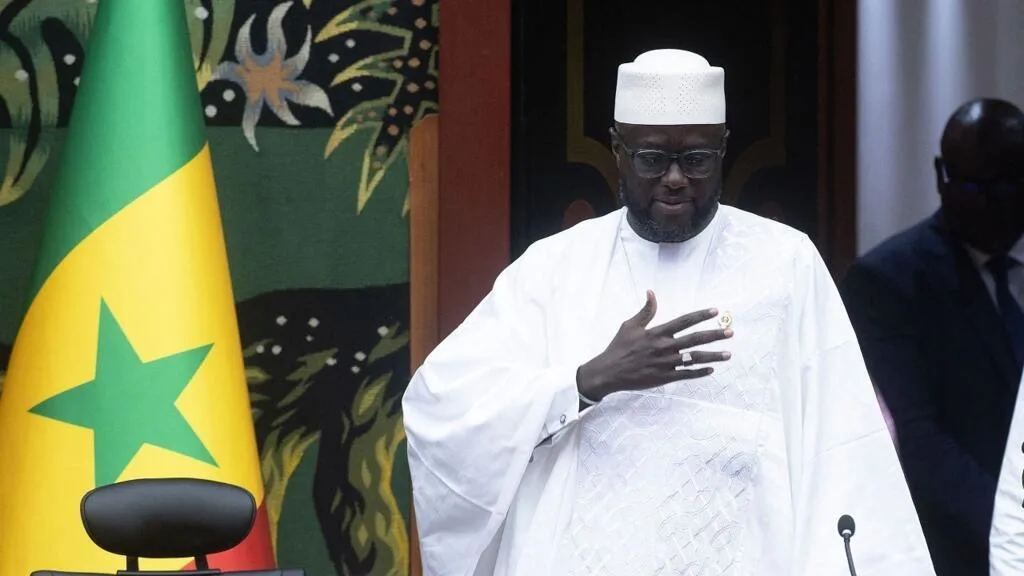
As the political fallout continues to unfold, all eyes are on Senegal to see how these changes will reshape the nation’s governance and future policies. The coming days are expected to bring further clarity on the implications of Ndiaye’s departure and the broader impact on the country’s leadership structure.
