Sénégal: navigating political transitions with democracy at the forefront
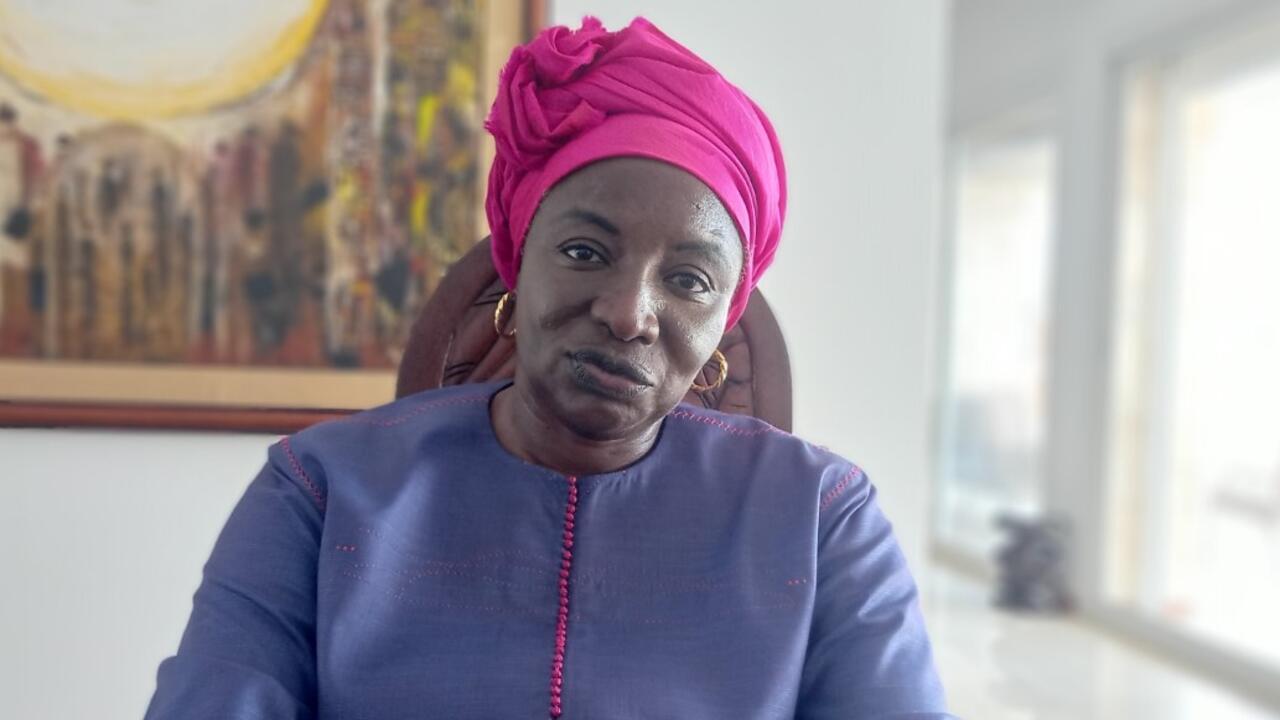
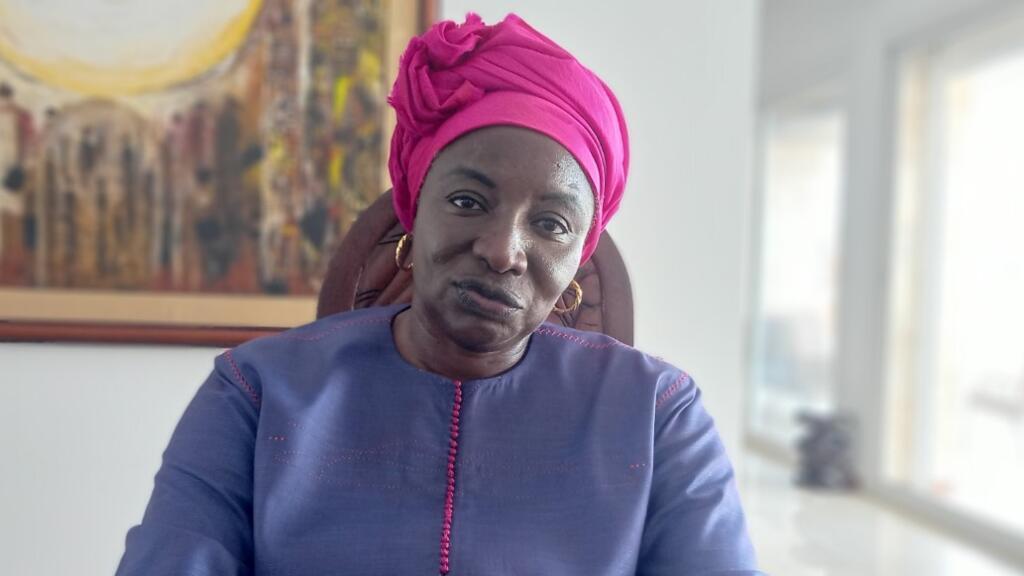
Senegal’s political landscape remains tense as the newly appointed government, led by Prime Minister Ahmadou Al Aminou Mohamed Lô, faces scrutiny over its composition and legitimacy. The 30-minister team, crafted without key figures from the Pastef party—despite its leader Ousmane Sonko’s membership—signals a growing rift between President Bassirou Diomaye Faye and Sonko. As the coalition’s supervisory head, Aminata Touré, the nation’s featured guest, weighs in on the challenges ahead.
Governance and democratic principles under scrutiny
What reactions does the new government’s formation elicit in Senegal’s political circles?
Aminata Touré: The new cabinet reflects the democratic mandate granted to President Bassirou Diomaye Faye, who secured 54% of the vote. His role includes appointing the Prime Minister and approving the government’s composition. The focus here is on efficiency and action, not political infighting. Senegalese citizens prioritize tangible progress over prolonged debates. This government was formed to address pressing national issues, not to serve as a platform for partisan disputes.
Cohabitation challenges and institutional roles
With Pastef holding a majority in the National Assembly, could governance become difficult?
This isn’t a clash between institutions but an internal party matter. President Faye is a member of Pastef, as are several ministers. The key lies in respecting institutional boundaries. If each branch—executive, legislative, judicial, and constitutional council—fulfills its duties while prioritizing national interests, Senegal can avoid unnecessary crises. The public expects accountability, not personal vendettas. They will judge based on outcomes, not rhetoric.
Accountability vs. political vendettas
Critics argue the new government signals a departure from Pastef’s promised political moralization, particularly regarding accountability. Is this assessment valid?
Accountability is not the same as political witch-hunts. As a former Minister of Justice, I understand the distinction. Legal proceedings must remain independent of political agendas. President Faye stands firmly for accountability but rejects the idea of settling scores. A political opponent’s downfall must be justified by legal evidence, not personal vendettas. The justice system must operate impartially, ensuring fairness for all.
Economic policy and debt restructuring: a pragmatic approach
Pastef has long opposed restructuring Senegal’s debt with the IMF. Will the new government adopt a different stance?
This isn’t an ideological debate but a practical necessity. Senegal owes money to creditors and must find sustainable ways to meet its obligations. Restructuring here refers to reprofiling debt terms—not repeating the harsh austerity measures of the 1980s, which devastated social programs. The goal is to negotiate terms that avoid harming vulnerable populations while ensuring long-term economic stability. Partners must recognize that cutting essential services is not an option.
Political ambitions and national priorities
Could Pastef’s refusal to join the government be interpreted as an attempt to undermine President Faye’s leadership in favor of Ousmane Sonko’s 2029 ambitions?
Everyone has the right to aspire to leadership. However, Senegalese citizens are weary of endless electoral campaigns. They want solutions to pressing issues: unemployment, infrastructure, healthcare. The focus must remain on delivering results. The 2029 election will come in due time. Right now, the priority is governance, not political maneuvering. Sabotaging progress would only hurt the very people we aim to serve. Democracy must function, but it must also deliver for the people.
