
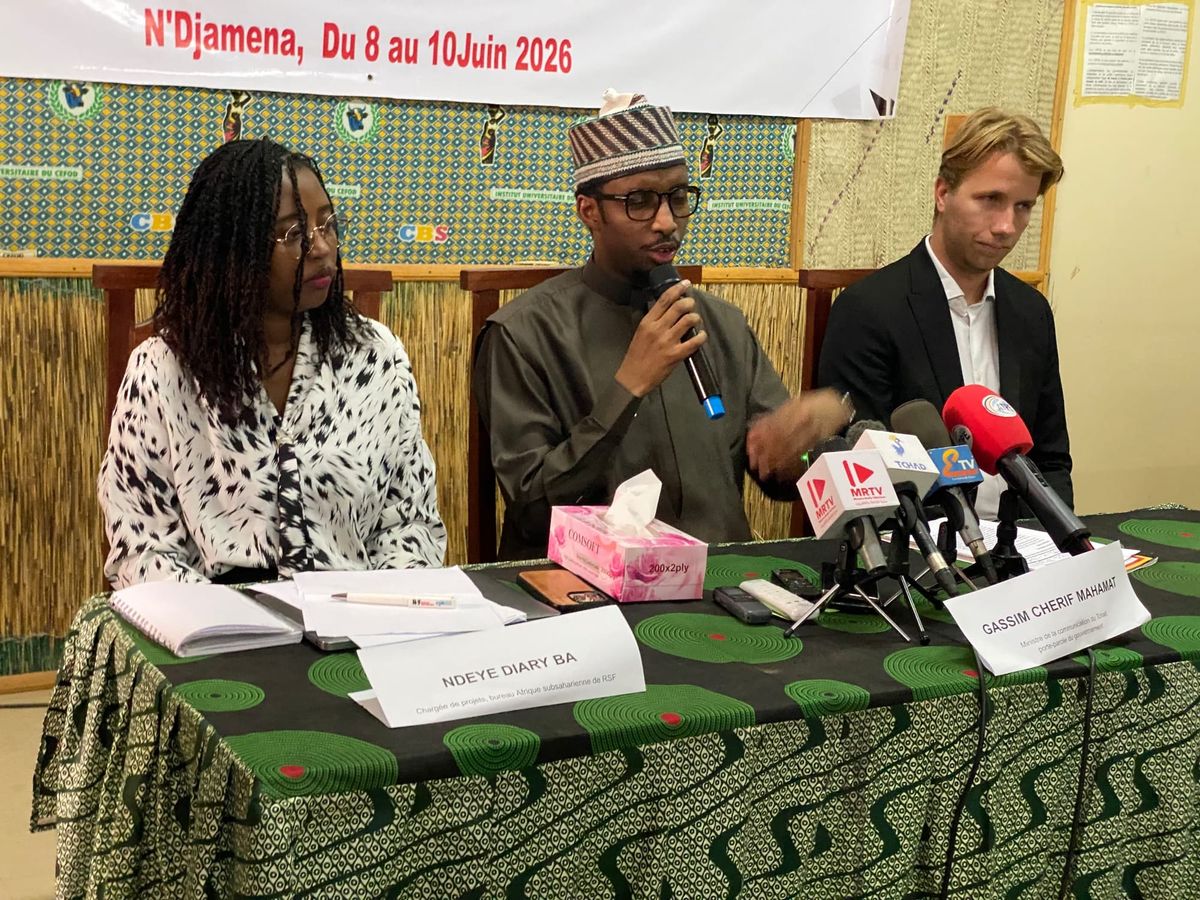
In the face of escalating security threats and mounting pressures, journalists across the Sahel are taking proactive steps to safeguard their work, particularly when reporting on environmental issues. A regional gathering of media professionals from Mali, Niger, Burkina Faso, and Chad convened today in N’Djamena to address these pressing challenges.
The workshop, hosted at the Centre for Studies and Development Training (CEFOD), is spearheaded by Reporters Without Borders (RSF). Its primary objective is to equip environmental journalists with the legal knowledge and practical tools necessary to navigate the risks inherent in their field.
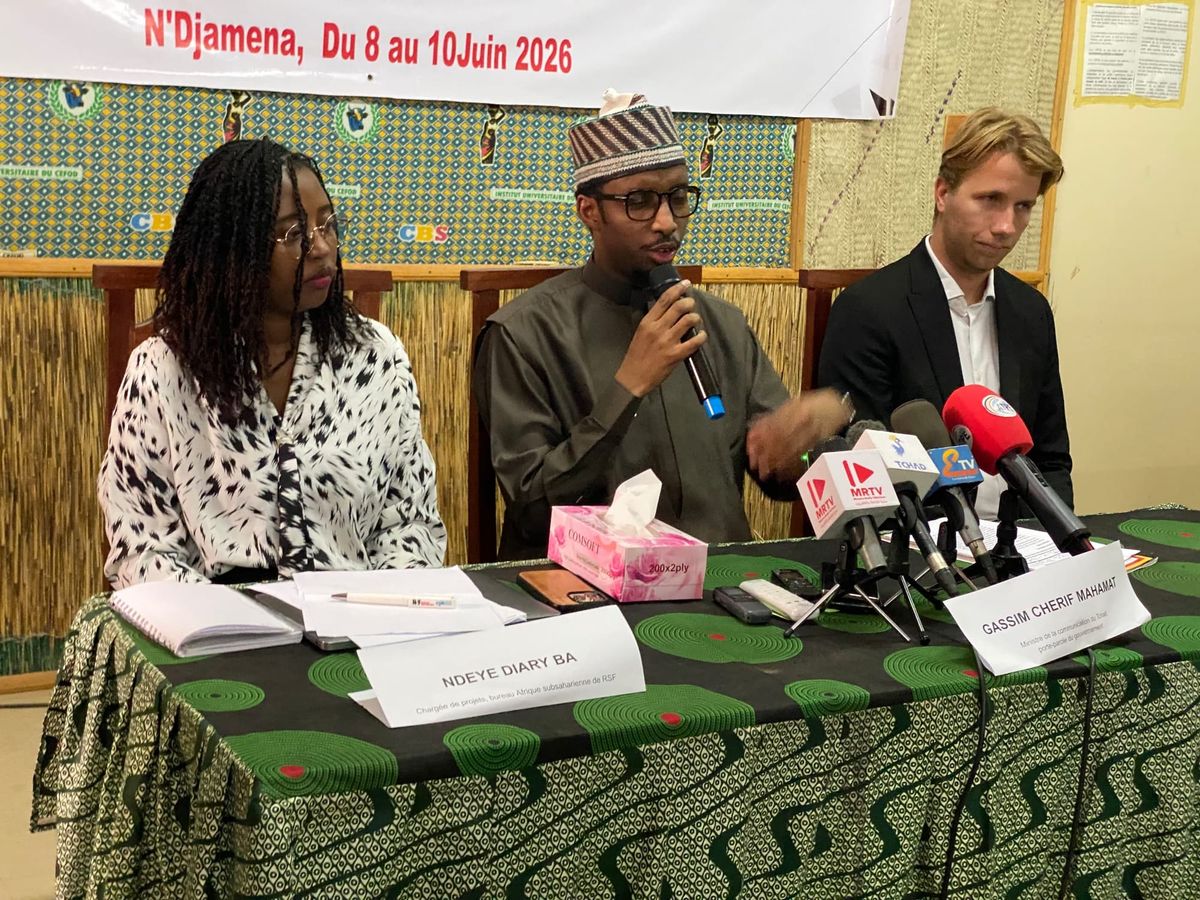
Government support underscores the importance of press freedom
The event’s opening session was led by Chad’s Minister of Communication and Government Spokesperson, Gassim Chérif Mahamat. In his address, he emphasized the vital role journalists play in raising public awareness about environmental crises while advocating for an enabling environment where media professionals can operate without fear.
Key topics on the agenda
Over the coming days, participants will delve into critical areas such as:
- Legal protections for journalists covering environmental stories
- Strategies to enhance physical and digital security
- Unique challenges faced when reporting on climate-related and natural resource issues
- Best practices for collaboration and experience-sharing across Sahelian borders
The discussions aim to foster a collective understanding of how to mitigate risks while ensuring accurate and impactful reporting.
Building resilience in a changing landscape
Ndeye Diary Ba, RSF’s Sub-Saharan Africa Project Manager, highlighted the urgency of this initiative. She noted that journalists in the region are increasingly tasked with covering highly sensitive topics amid climate change, resource depletion, and ongoing insecurity. These professionals often find themselves on the front lines of information dissemination, making their protection a top priority.
The multi-day workshop is expected to yield actionable recommendations designed to bolster the safety of environmental journalists and advocate for stronger, more supportive legal frameworks across the Sahel.