
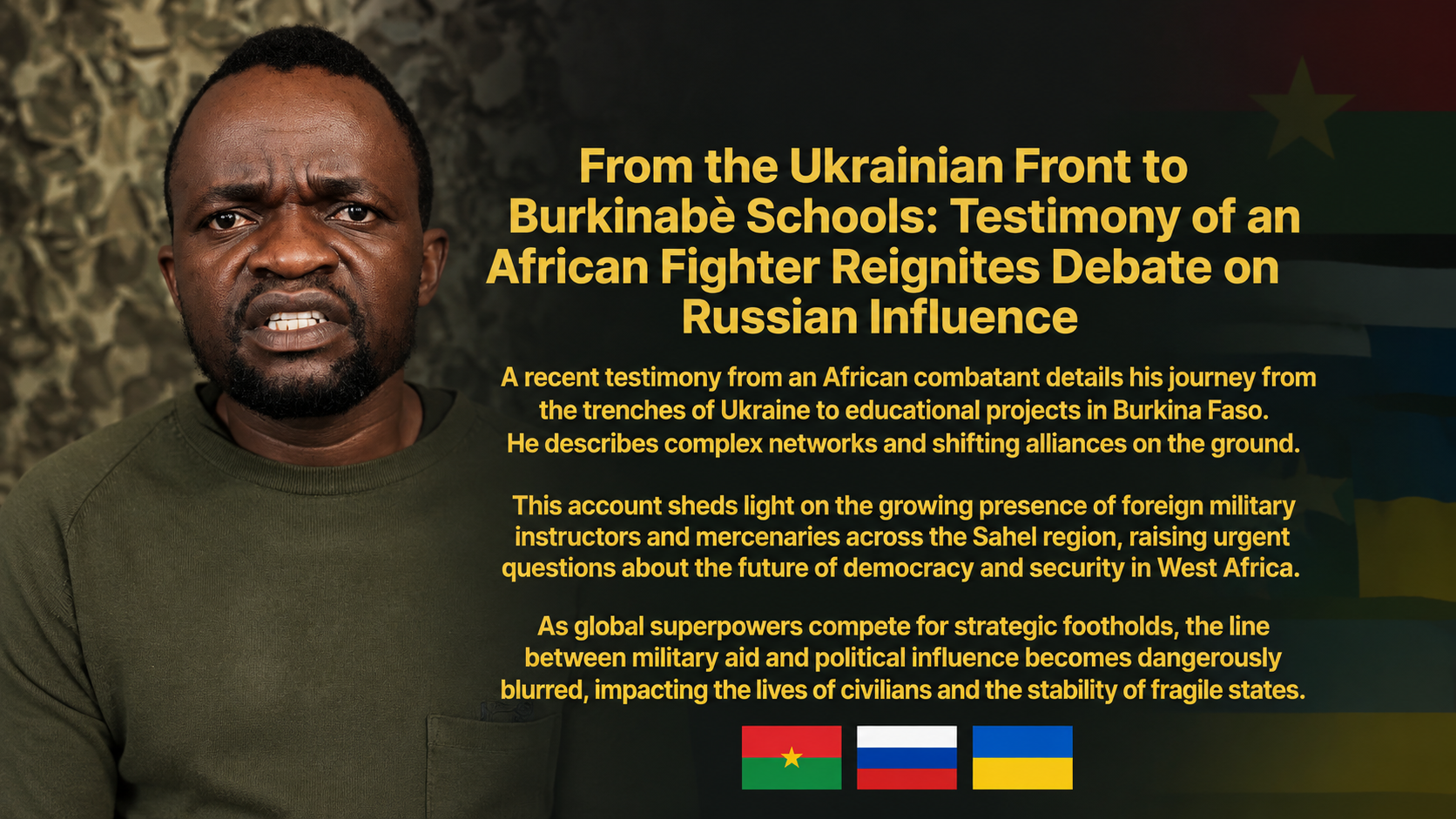
In a move that has intensified discussions both at home and abroad, Burkina Faso is set to integrate the Russian language into its national curriculum starting next academic year. The decision, announced by education officials, is framed as an effort to expand international partnerships, enhance academic opportunities for students, and foster cultural exchanges with the Russian Federation.
However, the initiative has not been met with universal approval. Critics argue that the timing of this reform raises concerns, particularly given Russia’s ongoing conflict in Ukraine and its expanding influence across Africa. Some observers view the move as a strategic alignment with Moscow, while others insist it represents a legitimate sovereign choice to diversify Burkina Faso’s international relations.
The debate extends beyond geopolitics. Proponents highlight the practical benefits of learning Russian, such as access to scientific research, academic exchanges, and professional opportunities in fields where Russian expertise remains valuable. Opponents, however, question whether the educational reform adequately addresses the broader implications of Burkina Faso’s growing ties with Russia, especially in areas like defense and security cooperation that have drawn international scrutiny in recent years.
The controversy has been further fueled by recent accounts from foreign fighters who participated in the war in Ukraine. Among them is Tatenda Tarwire, a Zimbabwean national whose testimony has circulated widely. He describes harrowing experiences on the front lines, including extreme violence, heavy casualties, and the emotional toll on families left in the dark about their loved ones’ fates. His warnings about the risks of foreign recruitment—particularly in conflict zones—have added a human dimension to Burkina Faso’s deliberations over its educational and diplomatic choices.
International watchdogs have documented cases of African recruits lured by promises of financial compensation, training, or career advancement, only to face harsh realities upon arrival. The consequences for individuals and their families can be devastating, with little recourse for those who regret their decisions or seek to return home.
In Burkina Faso, the conversation is evolving. Citizens are demanding clarity on the specifics of the Russian language program, including the terms of cooperation, the long-term benefits for students, and safeguards to ensure the national education system remains independent and aligned with the country’s best interests. Transparency, they argue, is essential to prevent the reform from being perceived—or exploited—as a step toward deeper political or military alignment.
At its core, the debate underscores a fundamental question: How should Burkina Faso navigate the complexities of a global landscape marked by shifting alliances, great-power competition, and the ever-present risk of unintended consequences? For the nation’s youth, the stakes are high. Their future will depend not only on the languages they learn or the partnerships they forge, but on the wisdom with which these choices are made today.
The introduction of Russian in schools is more than a curricular update—it is a decision that will shape Burkina Faso’s place in the world for generations to come. As such, it demands thorough scrutiny, open dialogue, and a commitment to putting the nation’s long-term interests above short-term gains.