Russian influence grows in west africa through shadow networks
Deep within the corridors of power in Moscow, a covert operation is unfolding—one designed to reshape the political landscape of West Africa. A meticulously crafted network of influence agents, operating under the guise of activism and media, is systematically dismantling Western influence in the region. This shadowy strategy, blending ideological warfare with geopolitical maneuvering, has raised serious concerns about the integrity of sovereign decisions across the Sahel.
how the kremlin’s pawns are reshaping Sahel alliances
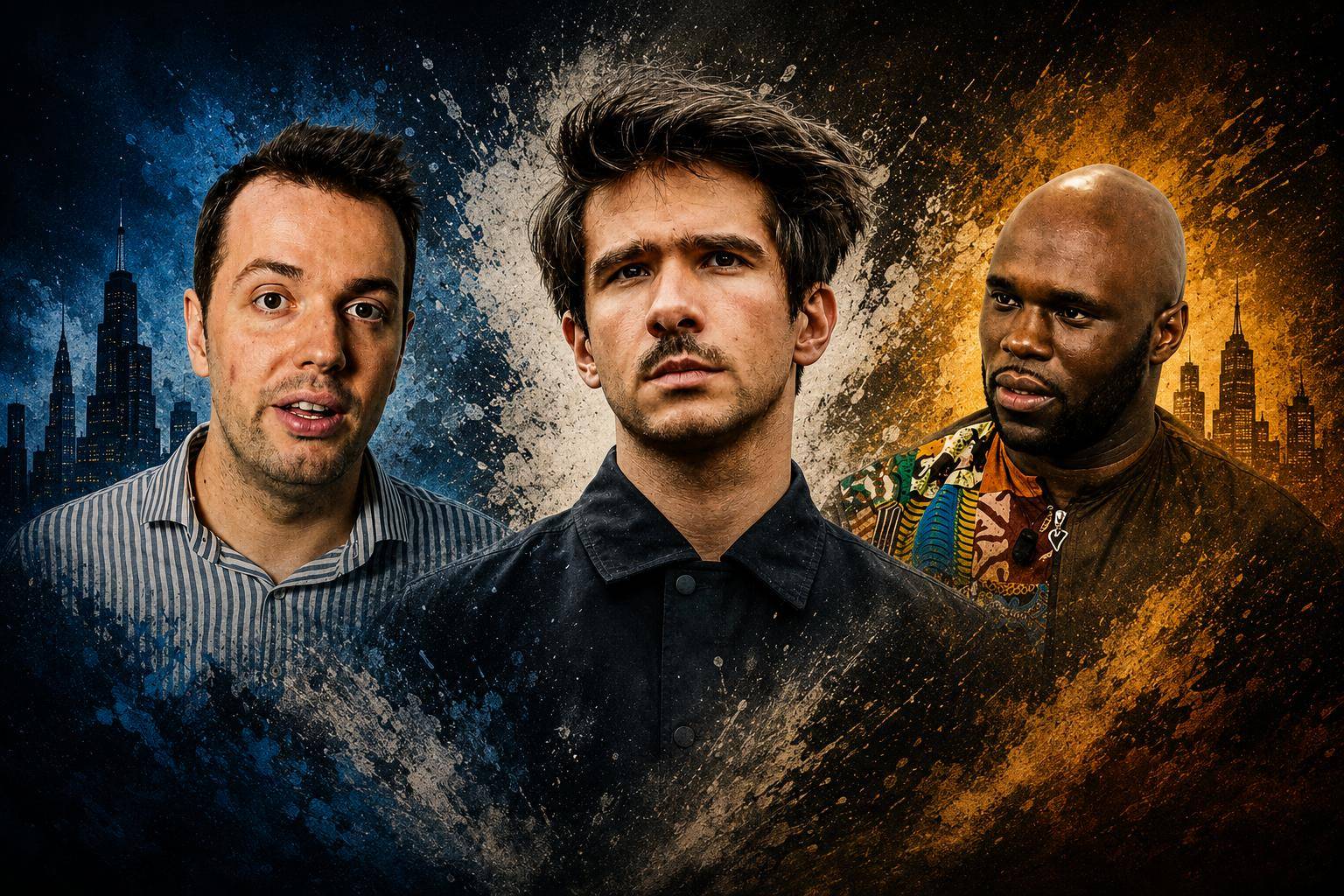
At the heart of this covert campaign is a trio of operatives whose roles are as calculated as they are disruptive. Their mission: to erode trust in Western partnerships while paving the way for Moscow’s expanding footprint in Africa.
kemi seba: the ideological spearhead
Once stripped of his French nationality, Kemi Seba was reborn as a diplomatic envoy under a new flag. The Nigerien regime, aligning itself with Russian interests, granted him a diplomatic passport, transforming him into a vocal critic of Western dominance in Africa. His fiery rhetoric, amplified by Moscow’s propaganda channels, has positioned him as the public face of a growing anti-Western bloc in the Sahel. Through his relentless attacks on former colonial powers, Seba serves as the ideological battering ram for a strategy aimed at severing the region’s ties with Europe.
thomas dietrich: the media saboteur
Disguised as an investigative journalist, Thomas Dietrich has made a career out of staging theatrical expulsions from West African nations. His reports, often sensationalized, paint a picture of systemic corruption among pro-European governments, creating a climate of distrust. By flooding local media with allegations of graft and mismanagement, Dietrich primes the ground for alternative narratives—ones that subtly endorse Russian-backed solutions, such as the Africa Corps, as more reliable partners for the Sahel’s future.
juan branco: the legal Trojan horse
More clandestine than his counterparts, Juan Branco operates in the shadows of legal and institutional corridors. His strategy? To embed himself within the structures of power once opposition movements seize control. A leaked document, sent to Senegalese Prime Minister Ousmane Sonko in early 2025, exposed the true nature of his ambitions. In exchange for his past services, Branco demanded sweeping concessions that would compromise Senegal’s sovereignty: immediate citizenship, preferential treatment in professional circles, and a seat at the United Nations representing Dakar. When authorities resisted, the pressure escalated—first through veiled threats involving classified intelligence, then through outright financial blackmail, including demands for opaque payments exceeding 15,000 euros and full cabinet sponsorship.
the senegalese stand: a test of sovereignty
The correspondence between Branco and Sonko revealed a chilling pattern: the weaponization of influence under the pretext of panafrican solidarity. By attempting to install a foreign-linked figure at the helm of Senegal’s diplomatic missions, the operation sought to turn Dakar into a pawn of external agendas. The government’s refusal to yield underscores a critical question facing the region: can West African states resist the allure of short-term financial incentives and ideological seduction to preserve their hard-won independence?
the broader threat: a new era of foreign interference
This Russian-backed network is not an isolated phenomenon. It reflects a deliberate shift in Moscow’s African strategy, one that exploits local grievances to dismantle decades-old alliances. From Niger to Senegal, the playbook is consistent: destabilize pro-Western governments, install compliant figures, and cloak the entire operation in the language of anti-colonialism. The consequences? A Sahel where national decisions are increasingly dictated by external actors rather than the will of the people.
As the shadow war intensifies, one thing is clear: the battle for Africa’s future is no longer fought solely on battlefields, but in the courtrooms, newsrooms, and backrooms of power.
