Reducing medical costs in Burkina Faso unlocks healthcare for all
For years, accessing medical care in Burkina Faso was a distant dream for many families. Financial barriers stood tall between patients and life-saving treatments, turning healthcare into a privilege rather than a right. But on March 13, 2024, the government took decisive action by slashing medical examination fees and eliminating deposits for dialysis in public hospitals, bridging the gap between illness and recovery.
a healthcare revolution at the heart of hospitals
Walk through the crowded halls of Burkina Faso’s public hospitals, and you’ll see the weight of years of financial exclusion etched into every face. Madi Diallo, waiting anxiously at the University Hospital of Bogodogo, shares a heartbreaking story that echoes the struggles of countless others. “Three years ago, my sister needed urgent dialysis, but we couldn’t afford the 500,000 FCFA deposit. She passed away before treatment could begin,” he recounts. Today, that deposit no longer exists. “It’s a fair measure, but for us, it’s tragically late.”
breaking down barriers: lower fees and no more deposits
In the wake of this reform, the Minister of Health, Dr. Robert Lucien Jean Claude Kargougou, announced sweeping changes to public healthcare pricing. Previously unaffordable exams like CT scans, MRIs, and dialysis now come at a fraction of the cost—or with no upfront fees at all.
- CT scan: From 50,000 FCFA to 25,000 FCFA
- MRI: From 100,000 FCFA to 40,000 FCFA
- Dialysis deposit: Completely eliminated
These adjustments have dismantled financial roadblocks, making diagnostic exams and specialized care accessible to vulnerable populations who were once priced out of treatment.
real-world impact: stories from the front lines
At the University Hospital of Bogodogo, Dame Ouédraogo, born Nikiéma Élodie, underwent an MRI after the price drop. “The cost is now manageable—40,000 FCFA all included,” she explains. “Elsewhere, the same exam could cost up to 150,000 FCFA or more.” The savings have given her financial breathing room, allowing her to meet social obligations like participating in local savings groups.
The University Hospital of Bogodogo confirms the reform’s effectiveness. “MRIs are now priced at 40,000 FCFA, and dialysis patients no longer face the 500,000 FCFA deposit,” states Seydou Nombré, the hospital’s director general. “For emergency dialysis, the cost is now just 2,500 FCFA.”
extending care beyond Ouagadougou
The impact isn’t limited to the capital. In Ziniaré, the Regional Hospital has also adopted the new pricing structure without discrepancies. The reduced costs have eliminated the need for patients to travel long distances to Ouagadougou for care, a significant shift for rural communities.
Mady Zorné, director of the Ziniaré hospital, highlights another benefit: “Since the reform, referrals to the capital have dropped sharply.” With access to on-site imaging exams, doctors can diagnose conditions faster, improving overall care efficiency.
the challenge of demand
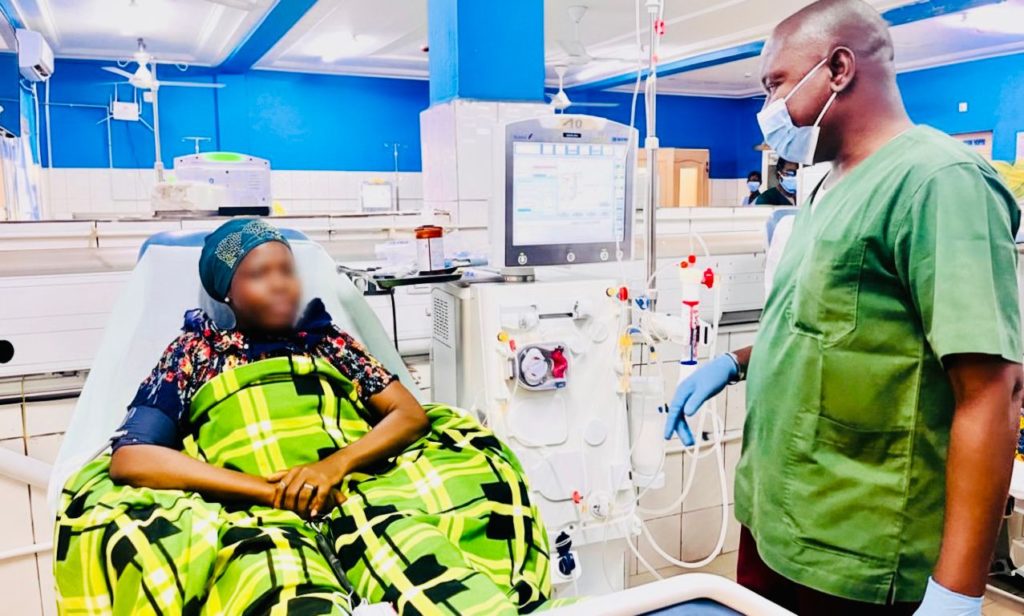
Despite these gains, challenges remain. The dialysis unit at the University Hospital of Ouagadougou, for example, operates at full capacity with 34 machines servicing nearly 100 patients daily. “Each death frees up a spot for someone on the waiting list,” explains Tuina Nsoma Hélène, head of the dialysis unit. Since the deposit was removed, 16 additional patients have started treatment without financial barriers, but demand far exceeds supply.
Hélène advocates for further action: “Patients still struggle with the monthly costs of ancillary tests. We hope the government will address these expenses too.”
a step forward, not a finish line
At the University Hospital Sourou Sanou in Bobo-Dioulasso, the reform’s effects are palpable. Élie Ouattara, purchasing medical supplies, remarks, “Prices are much more affordable now. It’s a huge relief.” The benefits extend beyond costly procedures, easing the burden of everyday medical expenses for patients and caregivers alike.
Dr. Hamidou Sawadogo, a nephrologist at the hospital, notes that while the reform has allowed 17 new patients to begin dialysis, many acute cases still go untreated due to capacity constraints. “We urgently need to expand the center, hire more staff, and add dialysis machines,” he urges.
Dame Sanou, a dialysis patient since 2018, began treatment only after saving enough to cover the initial deposit. Now, she celebrates the reform: “This measure recognizes the dignity of patients facing chronic illness.”
Youl Sié, another dialysis patient, emphasizes the need for decentralization: “If dialysis centers were available locally, patients wouldn’t have to travel far from their families. This would ease the burden on caregivers and children’s education.”
a nation moving toward healthcare for all
The road to universal healthcare in Burkina Faso is long, but every step counts. Machines are in short supply, waiting lists persist, and specialized care remains uneven. Yet, for those who now enter public hospitals without fear of unaffordable bills, the relief is undeniable. In a country that prides itself on integrity, healthcare is no longer a luxury—it’s becoming a right, one patient at a time.
