Prominent figure linked to Ousmane Sonko apprehended in Senegal amid homosexuality crackdown
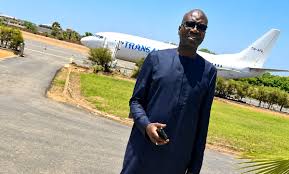
A significant legal development is unfolding in Senegal following the apprehension of Matar Ndiaga Seck, a 51-year-old individual widely characterized by local media as a political figure with close ties to powerful government circles. The Division of Criminal Investigations (DIC) carried out the operation, acting on a search warrant originally issued by police services in Linguère, located in the northern part of the nation.
Sources close to the ongoing inquiry indicate that this apprehension is part of a broader investigation concerning matters related to the criminalization of homosexuality. Investigators have cited consistent findings from a series of prior arrests in the Djoloff region, where approximately twenty individuals have reportedly been taken into custody under similar investigative parameters.
As of now, judicial authorities have refrained from issuing a comprehensive statement detailing the specific allegations or the precise legal classification of the offenses involved. Investigations are actively progressing, particularly focusing on the analysis of seized digital data, including the contents of a mobile phone, which some sources suggest could be pivotal in shaping the direction of the inquiry.
This incident unfolds against a highly sensitive backdrop in Senegal, marked by a recent tightening of the legal framework governing same-sex relationships. A new law, enacted on March 31, 2026, has significantly bolstered existing provisions within Article 319 of the Penal Code, notably expanding offenses to include the «promotion» of homosexuality. Penalties for such infractions can now extend to a maximum of ten years in prison.
The heightened legislative severity has provoked widespread condemnation from human rights organizations. They decry an escalation in arrests and an increasingly repressive environment targeting individuals who are LGBT or perceived as such. These organizations report that over a hundred detentions have occurred since the implementation of the new legal measures.
Within this charged atmosphere, certain non-governmental organizations (NGOs) are highlighting the political nuances of ongoing cases, particularly when individuals implicated are allegedly connected to circles close to the government or administrative power. They urge caution, emphasizing that individual culpability must be determined through judicial process rather than conjecture.
Furthermore, human rights advocacy groups confirm they are monitoring other analogous cases, including that of a foreign national who has been detained for several months in connection with a similar matter. They also report a significant volume of requests for assistance through their support mechanisms.
At present, Senegalese authorities have not offered further clarification regarding these ongoing legal proceedings. The progression of the inquiry will hinge upon the outcomes of judicial investigations and the evidence presented before the competent courts in the coming weeks.
