Progress toward gender parity in african politics
Across Africa, nations have taken varied steps since the early 2000s to advance gender equality in political representation through legislation and quota systems. These measures aim to close the gap between men and women in decision-making roles, though their implementation and impact differ significantly from one country to another.
How Senegal is addressing gender balance
In Senegal, the 2010 gender parity law mandates alternating male and female candidates on electoral lists for multiple types of elections. This policy has significantly boosted women’s presence in the National Assembly and local government bodies. However, the law does not extend to cabinet appointments, which remain at the discretion of the president. As a result, women’s representation in the government depends entirely on the president’s political will.
Chad’s progressive parity law and its impact
Chad has adopted a more comprehensive approach with an ordinance passed in 2018 that enforces gender parity across both elective and appointed positions. A 2021 decree further clarifies this by ensuring equal access for women and men to decision-making roles in government, central administration, and local institutions. The law sets a minimum 30 percent quota for women in appointed roles, including ministerial positions.
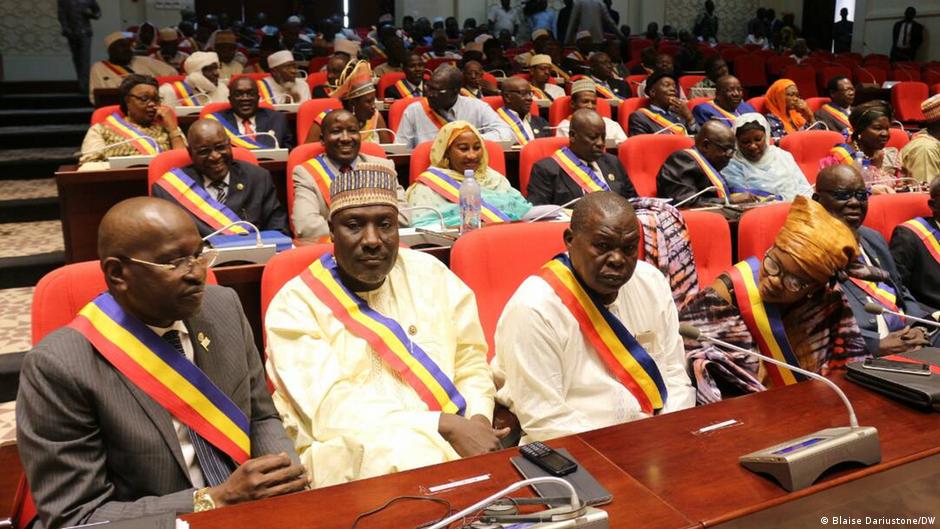
Electoral reforms have also introduced mandatory mechanisms to increase women’s participation on candidate lists. These efforts have yielded tangible results: following the 2024-2025 elections, women now hold 34 percent of seats in the National Assembly, with 64 female deputies out of 188 total members. As of April 2026, the government includes 12 women among its 37 members—about 32 percent—following a cabinet reshuffle.
While these figures show clear progress, true gender equality remains elusive. Women continue to face barriers in accessing higher-level decision-making roles, and deep-rooted social, economic, and cultural obstacles still impede their full participation in politics.
