Political tensions in Senegal after sonko’s dismissal
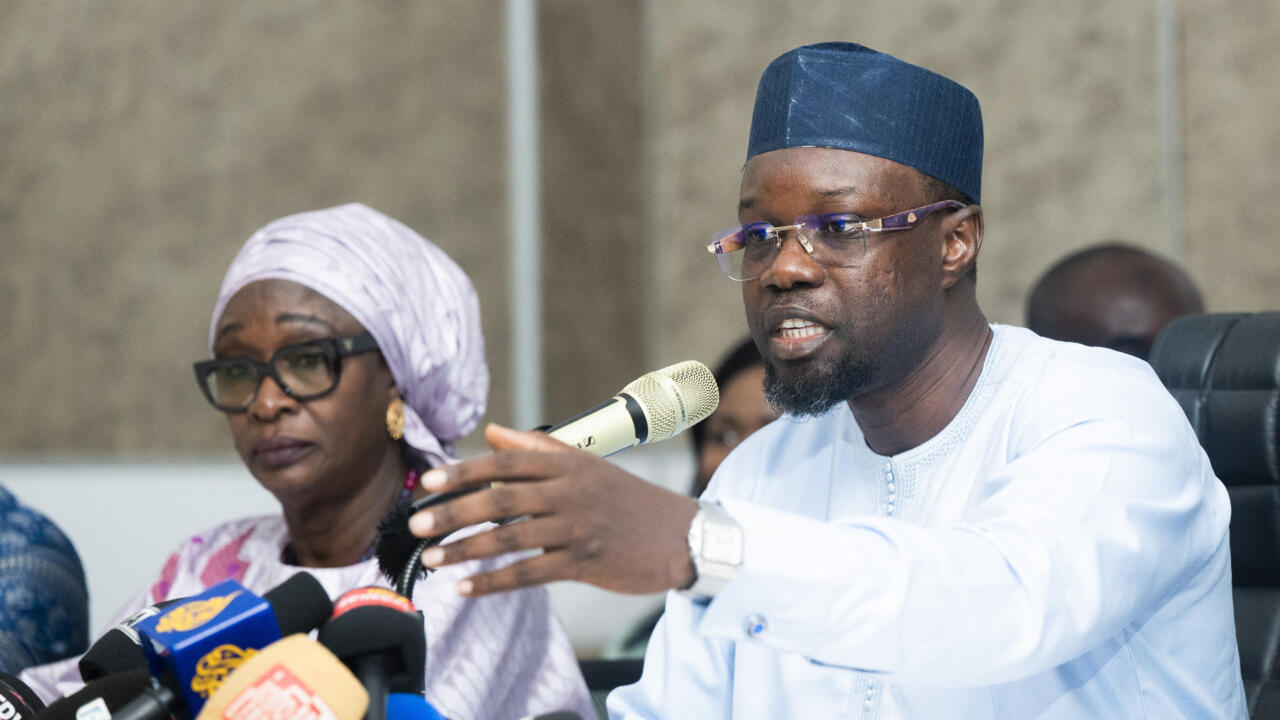
In a dramatic escalation of political tensions, Ousmane Sonko, the former Prime Minister and leader of the Pastef party, has launched a scathing critique of President Bassirou Diomaye Faye’s administration. Just one week after his removal from office, Sonko accused the president of ignoring warnings about the current political climate, framing the situation as an unprecedented cohabitation within the same governing coalition.
sonko’s sharp criticism of the new government
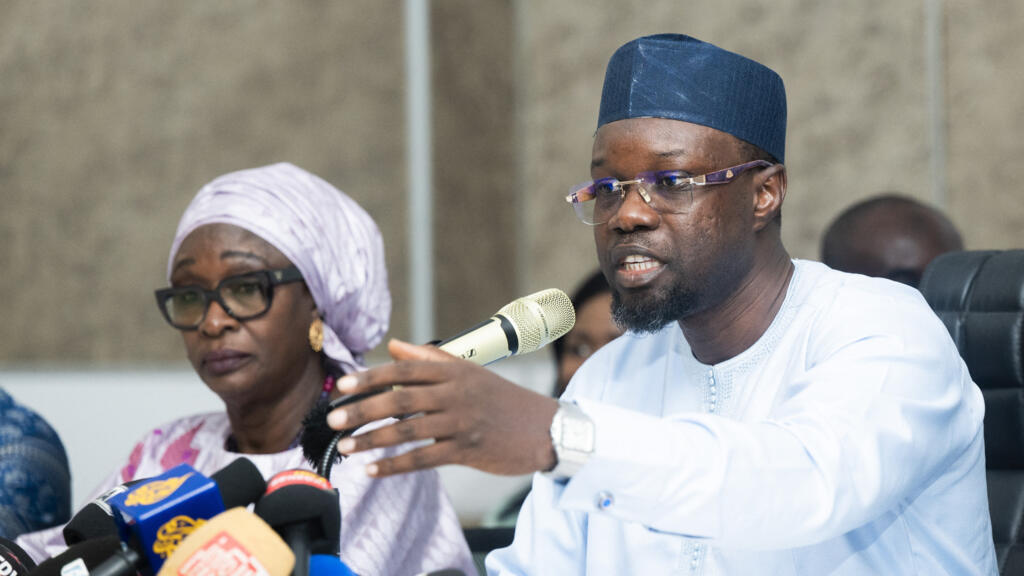
During a press conference in Dakar, Ousmane Sonko did not mince his words when discussing the legitimacy of the newly formed government led by Prime Minister Al Amine Lô. He dismissed the coalition supporting the administration as meaningless, arguing that the government lacks a fundamental political foundation. “We have a government with no political backing,” he declared, emphasizing that Pastef remains the dominant political force in Senegal, having secured the majority in the National Assembly. Sonko asserted that governing without Pastef’s involvement equates to governing without the people’s mandate.
He also highlighted the constitutional power of the National Assembly to topple the government through a vote of no confidence, a move he suggested could be pursued if necessary. Sonko’s remarks underscore his determination to hold the administration accountable, despite his removal from office.
a government in a precarious position
The absence of Pastef from the government presents a significant political challenge for President Bassirou Diomaye Faye’s camp. As the majority party in the National Assembly with 130 out of 165 seats, Pastef’s exclusion raises concerns about the government’s ability to implement its agenda. Analysts warn that without the support of the majority party, the administration may struggle to pass legislation or advance key reforms.
Some observers describe the current situation as a rupture within the ruling coalition rather than a traditional cohabitation. Unlike typical cohabitation scenarios where opposing political forces govern together, this case involves a split within the same movement. Pastef’s refusal to participate in the government while maintaining control of the legislative majority creates a unique and potentially volatile dynamic.
The stakes are high, as the government’s stability and effectiveness now depend on its ability to navigate this complex political landscape. The coming weeks and months will be critical in determining whether the administration can secure the necessary support to govern effectively.
the future of Senegal’s political stability
Political analysts suggest that President Bassirou Diomaye Faye’s administration is at a crossroads. While the government remains constitutionally legitimate, it risks losing its narrative and connection to the people who propelled it to power. Ousmane Sonko, with his 130 deputies and unshaken legitimacy, stands as a formidable figure in the National Assembly. His ability to mobilize millions of supporters adds further pressure to the government’s position.
The question now is whether the administration can bridge the divide with Pastef or if the political rupture will deepen. The answer may unfold in the streets, institutions, and corridors of power in the days and weeks ahead.
