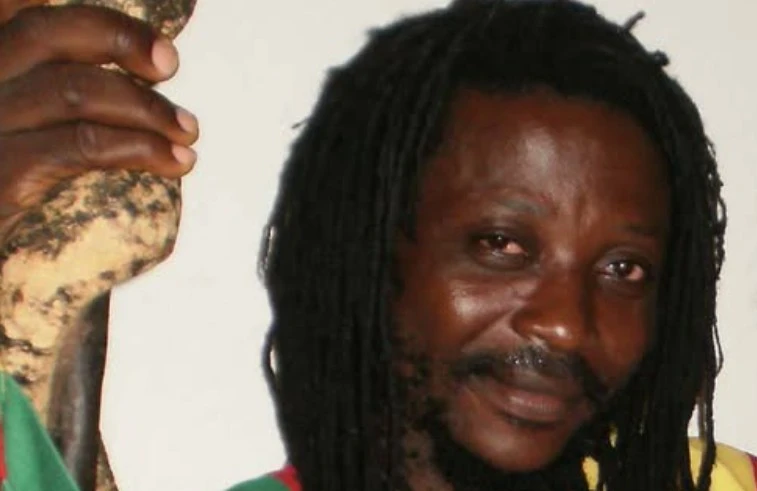
Political analyst warns of dynastocratic ambitions in Cameroon
The political commentator Joe La Conscience has ignited fresh debate with a scathing opinion piece that directly challenges Paul Biya’s four-decade rule. His assessment paints a stark picture of democratic decline and hints at plans to hand power to family members—a claim that introduces the provocative term dynastocratie to Cameroon’s political discourse.
Decades of leadership under scrutiny
In his critique, Joe La Conscience traces Cameroon’s leadership challenges back to 1982, when Paul Biya succeeded Ahmadou Ahidjo. What was intended as a transitional arrangement, he argues, evolved into an unbroken personal rule spanning 43 years. The commentary highlights economic stagnation, governance described as tribal in nature, and a steady erosion of civil liberties—charges presented as personal interpretation rather than verified evidence.
The tone is unmistakably accusatory, serving as a political indictment rather than a balanced analysis. While no official reports corroborate these claims, the narrative resonates with growing public skepticism about the country’s political trajectory.
The vice-presidency and whispers of a family succession
The most contentious part of the piece centers on recent constitutional changes, particularly the creation of a vice-presidential role. Joe La Conscience suggests this reform could be a calculated move to pave the way for a dynastic transfer of power within the Biya family. By coining the term dynastocratie, he frames the situation as an attempt to institutionalize hereditary rule in Cameroon.
He also alludes to internal rivalries within the presidential circle and speculative scenarios about post-Biya leadership—claims he presents as informed conjecture rather than established fact. Yet these observations reflect real anxieties circulating in political circles, even beyond opposition groups, about the future of governance in the country.
The discussion touches on pressing questions: How will Cameroon navigate leadership transition? What role will the president’s health play in shaping the timeline? These concerns are no longer confined to rumor—they are now openly discussed, with or without institutional acknowledgment.
