
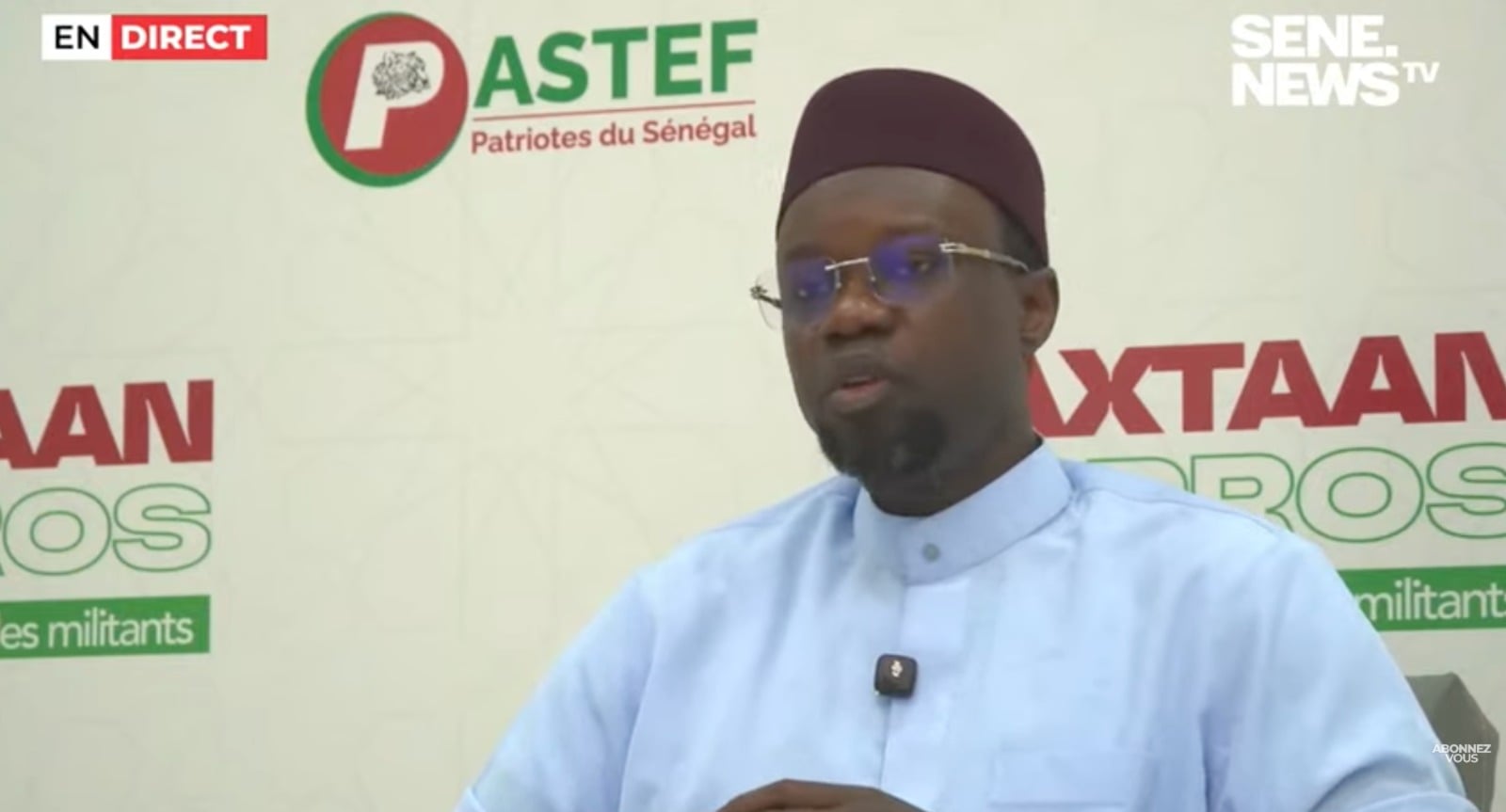
ousmane sonko’s crucial parliamentary address on Senegal’s electoral code
This Friday, Prime Minister Ousmane Sonko is set to address the National Assembly amidst a highly charged political atmosphere. His appearance follows significant alterations to the Electoral Code, sparking intense debate. Opposition factions are vigorously contesting these reforms, which hold the potential to profoundly reshape Senegal’s electoral landscape.
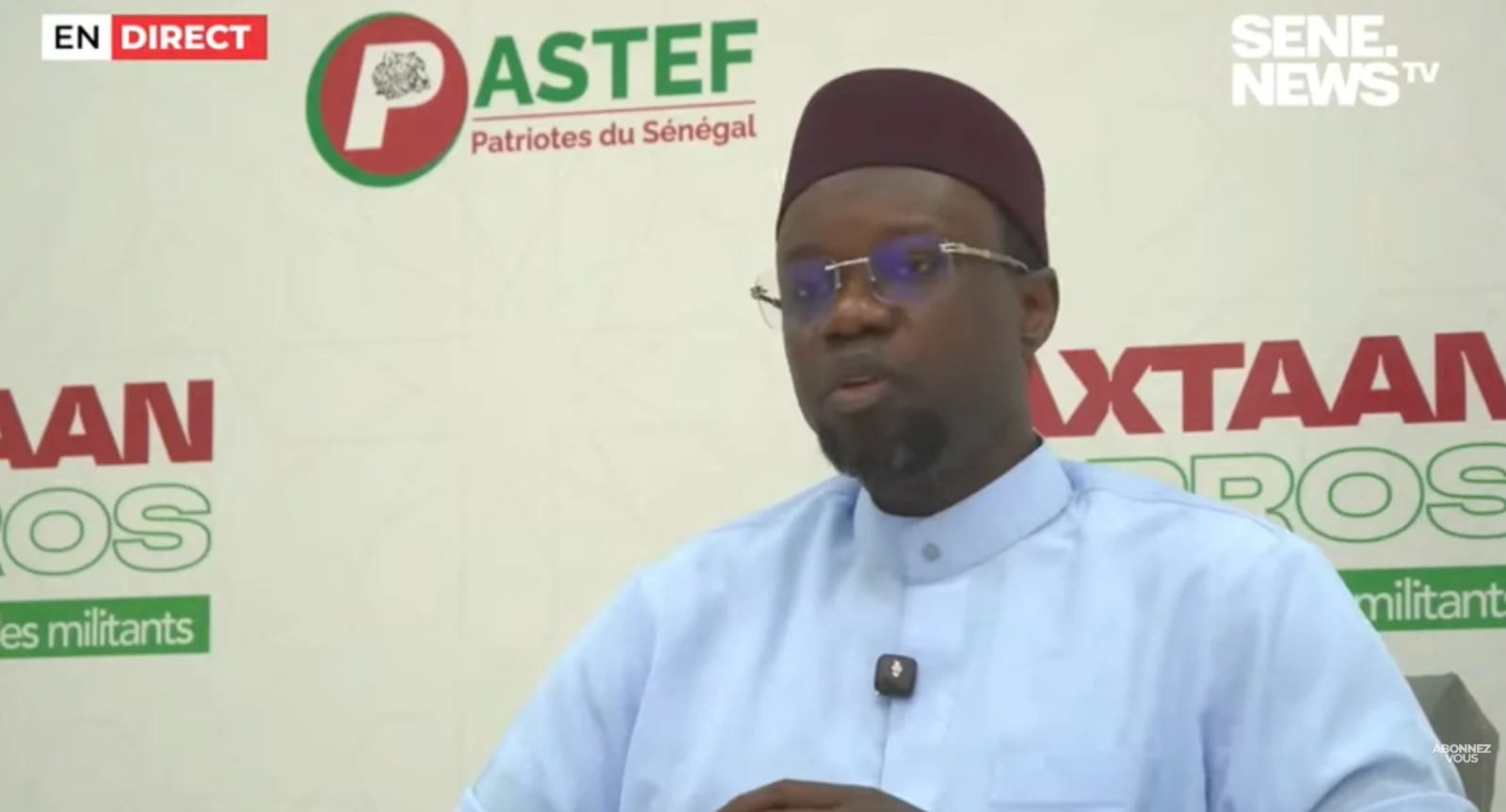
Ousmane Sonko is scheduled to appear before the National Assembly this Friday, May 22, 2026, for the customary session dedicated to current affairs questions for the government. This highly anticipated session unfolds in a particularly sensitive political climate, coming just after the formal adoption and promulgation of amendments to Articles L.29 and L.30 of the Electoral Code.
The National Assembly anticipates this session will be dominated by the intense discussions surrounding these electoral reforms. The specific articles in question remain central to the political discourse, primarily due to the profound implications they carry regarding the eligibility and civil and political rights of key figures within the Senegalese political landscape.
The Prime Minister’s presence in the Hemicycle is thus set against a backdrop of post-legislative tension. The recently passed reforms have provoked strong reactions from both the ruling majority and the opposition, with the latter vehemently condemning what it perceives as unilateral modifications to the established electoral framework.
During this pivotal session, Prime Minister Ousmane Sonko is expected to articulate the Executive’s official position and steadfastly defend the legal consistency and legitimacy of the enacted legislation. The exchanges are poised to be closely scrutinized, as the opposition is prepared to challenge the potential ramifications of these new provisions for upcoming electoral contests.
While the official agenda will undoubtedly cover a range of national concerns, including economic policy, security matters, and social welfare, it is widely anticipated that debates concerning Articles L.29 and L.30 will largely steer the proceedings within the National Assembly.
broader economic and social landscape
Beyond the immediate political debate, this parliamentary session coincides with a delicate economic situation. The heightened tensions stemming from the electoral reforms are compounded by persistent social demands and questions surrounding the nation’s economic appeal.
In this context, the government must also provide reassurance regarding institutional stability and the consistent pursuit of its economic objectives. Authorities face the challenge of demonstrating that the reforms being implemented will not undermine the country’s stability or erode the confidence essential for investments, particularly within an international environment also marked by geopolitical tensions in the Middle East.