Ousmane Sonko demands transparency on Senegal’s IMF agreement
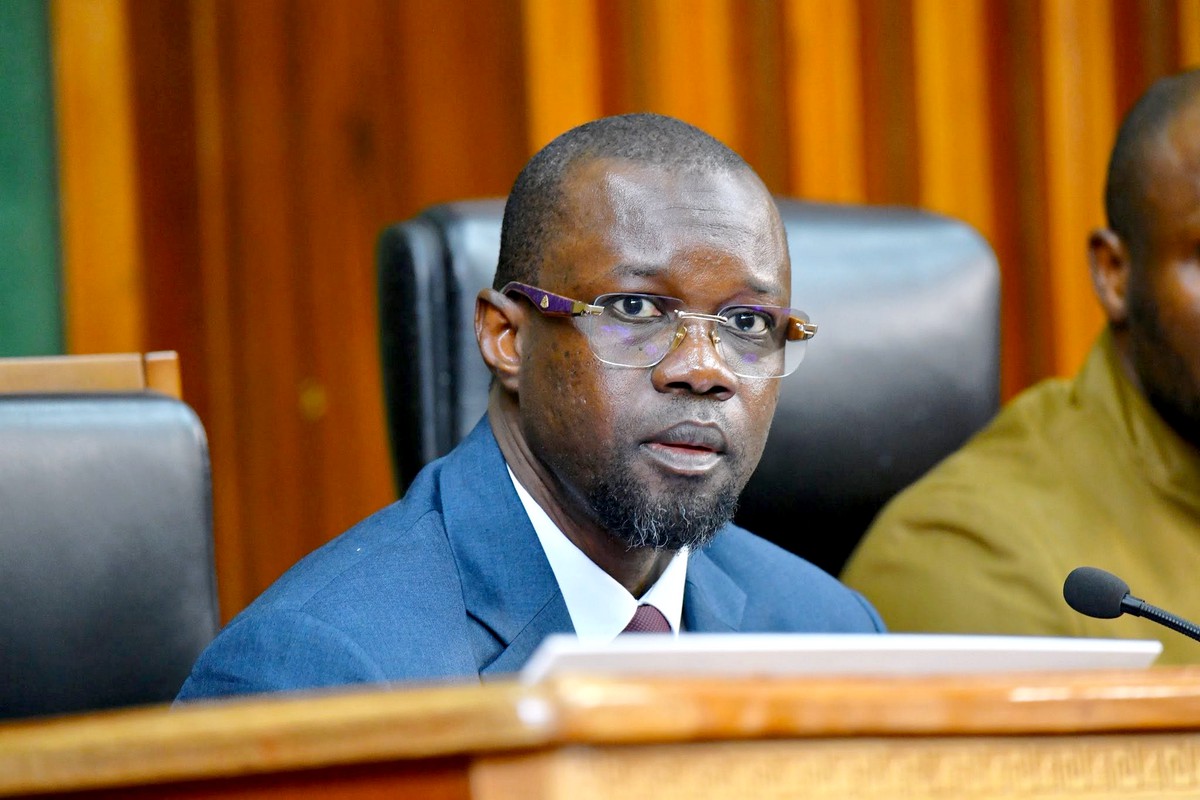
Ousmane Sonko, the former Prime Minister and current President of Senegal’s National Assembly, has publicly addressed the recent agreement forged between the International Monetary Fund (IMF) and the Senegalese government. Through a statement posted on his official Facebook page, the head of the parliamentary institution indicated that a thorough debate on the implications and specifics of this new collaborative effort would soon take place.
Following the disclosure of a fresh accord between the IMF and Senegal, which outlines a loan program exceeding 2 billion US dollars—approximately 1,245 billion CFA francs—intended to support Dakar, Sonko has once again voiced his concerns. It was Sonko who previously brought to light a concealed debt issue that led to the suspension of the International Monetary Fund’s program for Senegal back in 2024.
Ousmane Sonko stated, “We have closely monitored the successive announcements from both the IMF and the Senegalese government regarding a technical agreement. This accord will only become definitive once it receives approval from the Fund’s Executive Board at a later date.”
He emphasized, however, that the diplomatic rhetoric employed by both parties provides no concrete information regarding the specific details of this proposed agreement, nor about Senegal’s commitments as outlined in the IMF’s official communiqué.
Sonko then posed critical questions:
- What specific commitments has Senegal made regarding the “treatment of its debt”?
- What are the core reforms envisioned, particularly concerning the sustainability of public finances, safeguarding vulnerable households, enhancing domestic resource mobilization, streamlining expenditures, establishing social safety nets, overseeing public enterprises, and improving the business environment?
- Where do the previously demanded international debt audits stand?
He underscored that these numerous commitments directly concern all Senegalese citizens, as they are undertaken on their behalf and will inevitably impact them, both presently and in the future.
Having been involved in these discussions for many months and being aware of certain directions that risk repeating past errors, Sonko issued a strong call for absolute transparency.
Noting that such negotiations typically culminate in a draft document, known as a memorandum of economic and financial policies, which is validated by both parties, he formally requested that the Senegalese government:
- Publish this memorandum to ensure accurate public information and to facilitate a healthy debate on Senegal’s obligations.
- Alternatively, if full public disclosure is not immediately possible, transmit the document to the National Assembly, which serves as the representative body of the people.
He further clarified that, irrespective of immediate action, the overarching directions of these commitments would eventually be incorporated into a potential rectifying finance law or the draft finance bill for the year 2027, both of which are slated for submission to the National Assembly in October 2026.
Sonko concluded with a resolute declaration: “And the debate will indeed take place!”
