
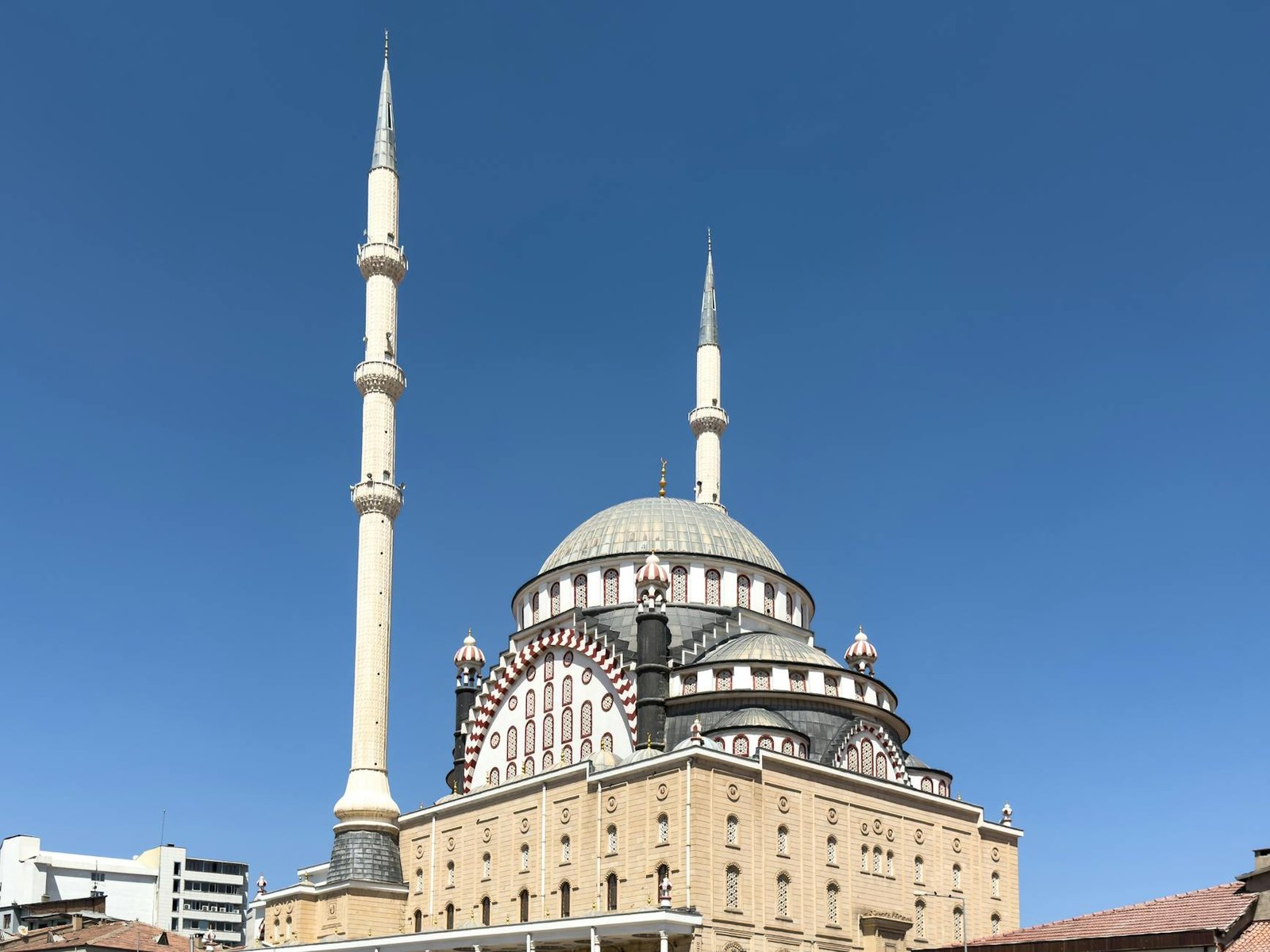
The Grand Sunni Mosque in Ouagadougou, a prominent Muslim place of worship within the Burkinabè capital, has been cordoned off by police since Thursday, May 29. The transitional authorities, led by Captain Ibrahim Traoré, have ordered its indefinite closure, justifying the action by citing potential risks to public order. The area surrounding the building remains secured, with security forces maintaining a constant presence, effectively preventing any gatherings near the edifice.
This decision comes at a particularly sensitive time in the Muslim calendar, just before the observance of Eid al-Adha, known locally as Tabaski. On Tuesday evening, hundreds of worshippers had gathered around the mosque, demanding information regarding their imam, who had been reported missing for several days. This protest, unusual in a nation where civic freedoms have significantly diminished since the September 2022 coup, prompted a swift response from the executive.
A week of escalating tensions over an imam’s disappearance
The sealing of the Grand Sunni Mosque is not an isolated incident. It represents the culmination of a week-long period during which the faith community mobilized to seek answers about the fate of their religious leader. The specific circumstances of the imam’s disappearance have not been disclosed by the authorities, and no official communication has confirmed any detention by security services.
In Burkina Faso, human rights organizations have documented several instances in recent months of critical figures, or those perceived as such by the military government, going missing. Magistrates, journalists, traditional chiefs, and civil society leaders have faced military requisitions or extended periods of police custody, under an expanded legal framework implemented by the transitional authorities in the name of the war effort against jihadist armed groups.
A calculated political message ahead of Tabaski
The timing of this action raises significant questions. By closing a place of worship of such importance just hours before the year’s primary Muslim festival, the authorities are sending a strong message to a community that holds substantial demographic and symbolic weight in Burkina Faso, a predominantly Muslim nation. The Grand Sunni Mosque of Ouagadougou is far from an ordinary structure; it serves as a central reference point for the Burkinabè Sunni movement, notably structured around the Sunni Movement, and typically hosts thousands of worshippers for major prayers.
This measure underscores the junta’s challenges in managing internal fronts while the majority of its resources remain committed to combating the armed insurgency plaguing several regions of the country. Since 2022, the military government has repeatedly demonstrated its firmness against internal dissent, whether originating from civil society, unions, suspended political parties, or, now, the religious sphere. However, the closure of a mosque on grounds of public order remains a rare occurrence, one that could intensify concerns about infringements on religious freedom.
Preserving a delicate religious balance
Burkina Faso has long been celebrated as a model of interfaith coexistence among Muslims, Christians, and adherents of traditional religions. This delicate balance, already strained by jihadist violence that frequently targets places of worship for both major confessions, could face severe challenges from a direct confrontation between the central government and an organized religious community within the capital.
For observers of the Burkinabè transition, the unfolding events will be crucial. A swift reopening of the mosque, clarification regarding the imam’s situation, and the potential initiation of dialogue with Sunni leaders would all serve as signals of de-escalation. Conversely, a prolonged police presence around the building risks crystallizing tensions within a community that has, until now, largely remained disengaged from public opposition to the regime.