
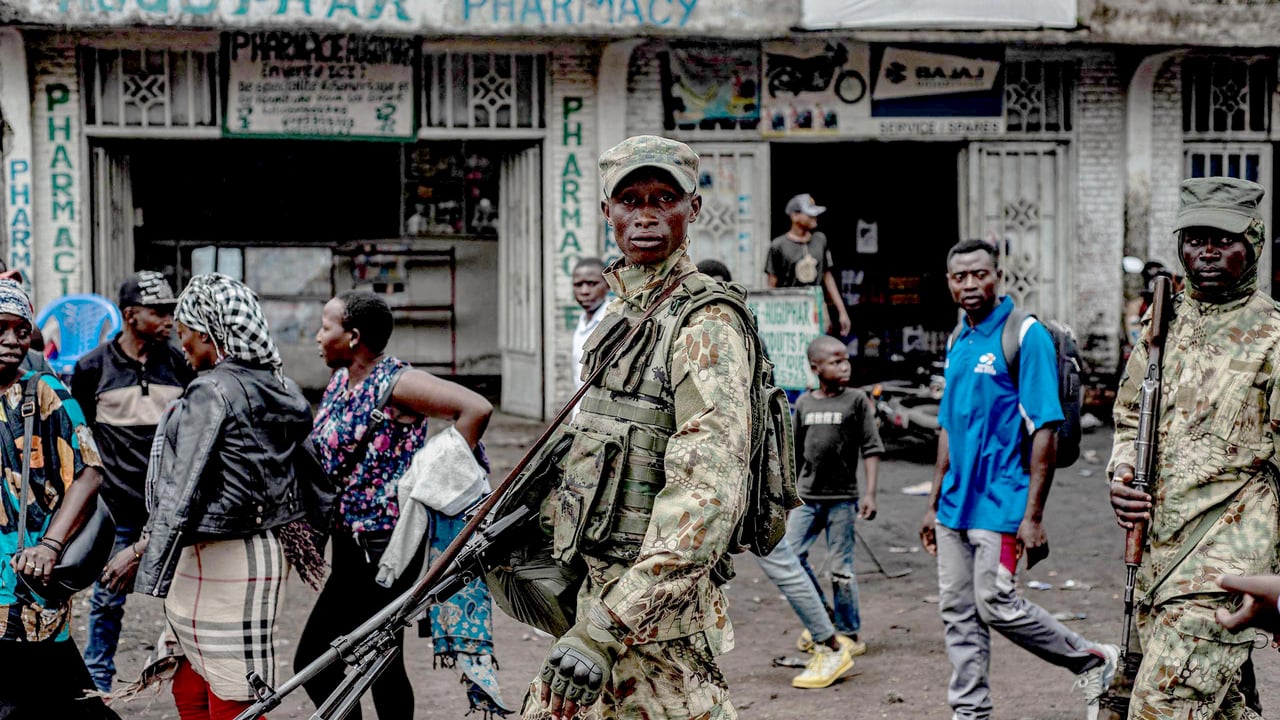

One year after the historic agreement: what progress has been made?
The landmark peace accord brokered between Rwanda and the Democratic Republic of the Congo (DRC) under Donald Trump’s administration aimed to stabilize a region plagued by decades of conflict. But as the first anniversary of the deal approaches, questions linger about its effectiveness and durability.
Key provisions and initial reactions
The agreement, signed in early 2025, outlined a framework for dialogue, security cooperation, and economic collaboration between Kigali and Kinshasa. Analysts at the time hailed it as a potential turning point, especially in addressing the persistent threat posed by the M23 rebel group, which had seized control of key territories, including Goma.
Initial optimism was met with cautious skepticism. While both governments pledged to cease hostilities and engage in negotiations, skepticism ran deep among regional observers. Many wondered whether the agreement could truly bring lasting peace to a region where trust has been eroded by years of violence and unfulfilled promises.
Military and diplomatic developments
In the months following the accord, Rwanda and the DRC took steps to implement its terms. Military disengagement in conflict zones was reported, though sporadic clashes continued in certain areas. Diplomatic channels remained open, with high-level meetings held to address lingering grievances and monitor compliance with the agreement.
However, challenges persisted. The M23, designated a terrorist organization by several nations, continued to operate in parts of eastern DRC, raising doubts about the group’s commitment to the peace process. Meanwhile, local communities expressed frustration over the slow pace of reconstruction and the lack of tangible improvements in their daily lives.
Economic and humanitarian impact
The economic provisions of the agreement were intended to foster regional integration and mutual economic growth. Cross-border trade initiatives were launched, and infrastructure projects were announced to improve connectivity between the two nations. Yet, tangible benefits for ordinary citizens have been slow to materialize.
The humanitarian situation in eastern DRC remains dire. Displaced populations continue to struggle with limited access to food, healthcare, and shelter. Aid organizations warn that without sustained international support, the crisis could deepen, undermining the fragile gains made under the peace deal.
Voices from the ground: perspectives from eastern DRC
Residents of towns like Goma and Beni have mixed feelings about the agreement. Some express cautious hope that dialogue will eventually lead to stability, while others remain deeply skeptical, citing past failures of similar initiatives.
“We’ve heard promises before,” said a community leader in Goma. “But words alone won’t bring back the loved ones we’ve lost or restore what was destroyed.”
Local leaders emphasize the need for concrete actions, such as the disarmament of armed groups and the restoration of basic services, to rebuild trust in the peace process.
Looking ahead: can the agreement deliver lasting peace?
As the anniversary of the accord approaches, the international community watches closely. Success will depend not only on the continued commitment of Rwanda and the DRC but also on broader regional support and sustained engagement from global partners.
The path to lasting peace in eastern DRC is fraught with obstacles, but the agreement signed a year ago remains a critical step. Whether it can overcome the deep-seated challenges of mistrust, armed group activity, and humanitarian crises will determine its legacy.
For now, the region holds its breath, hoping that this time, the promises made will translate into tangible progress.