One year after Jacques Koami Koutoglo’s death, Faure Gnassingbé’s shadow looms over Togo’s tragedy
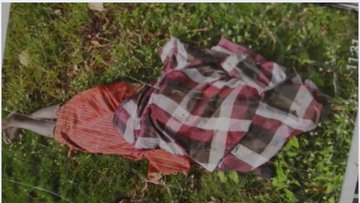
The Republic of Togo marked a somber anniversary on June 26, 2025, when the nation was confronted with one of its most harrowing episodes of civil unrest. The tragic loss of Jacques Koami Koutoglo, a 15-year-old adolescent, during these demonstrations has left an indelible scar on the collective memory of the Togolese people. Reports from witnesses and civil society groups indicate that his body was recovered from a nearby lagoon in the aftermath of the disturbances.
Questions persist over the circumstances of his death
Beyond the profound human tragedy, the incident has crystallized broader concerns regarding the alleged use of excessive force against civilians during the protests. The fatal shooting of a minor has underscored the severe human toll of the political tensions that have gripped the country. For many observers, such an event serves as a stark reminder of the consequences when state authority clashes with civic dissent.
Restrictions on mourning deepen the family’s anguish
The suffering endured by Jacques’s family did not conclude with his death. Officials reportedly denied a request to hold a commemorative mass on the 40th day following his passing, scheduled for July 8, 2025. This refusal has intensified the family’s grief, as they perceive it as a denial of their right to honor their son’s memory in a manner consistent with their cultural and personal beliefs.
To many citizens, preventing a family from grieving publicly amounts to an extension of their sorrow. Regardless of political affiliations, the ability to mourn a loved one and pay tribute to their life is a fundamental right that transcends societal divisions.
A year later, the call for accountability endures
Twelve months have passed, yet the name of Jacques Koami Koutoglo remains synonymous with the demand for truth, justice, and an end to impunity. His death continues to fuel calls for impartial investigations into the violence that marred the June 2025 protests, as well as for the identification and accountability of those responsible.
For a significant portion of the population, sustainable reconciliation remains unattainable until the families of victims receive clear answers regarding the exact circumstances of these fatalities and justice is served. When a child’s life is taken in the context of political unrest, the entire nation is compelled to reflect on the protection of fundamental rights and the duty of those in authority.
